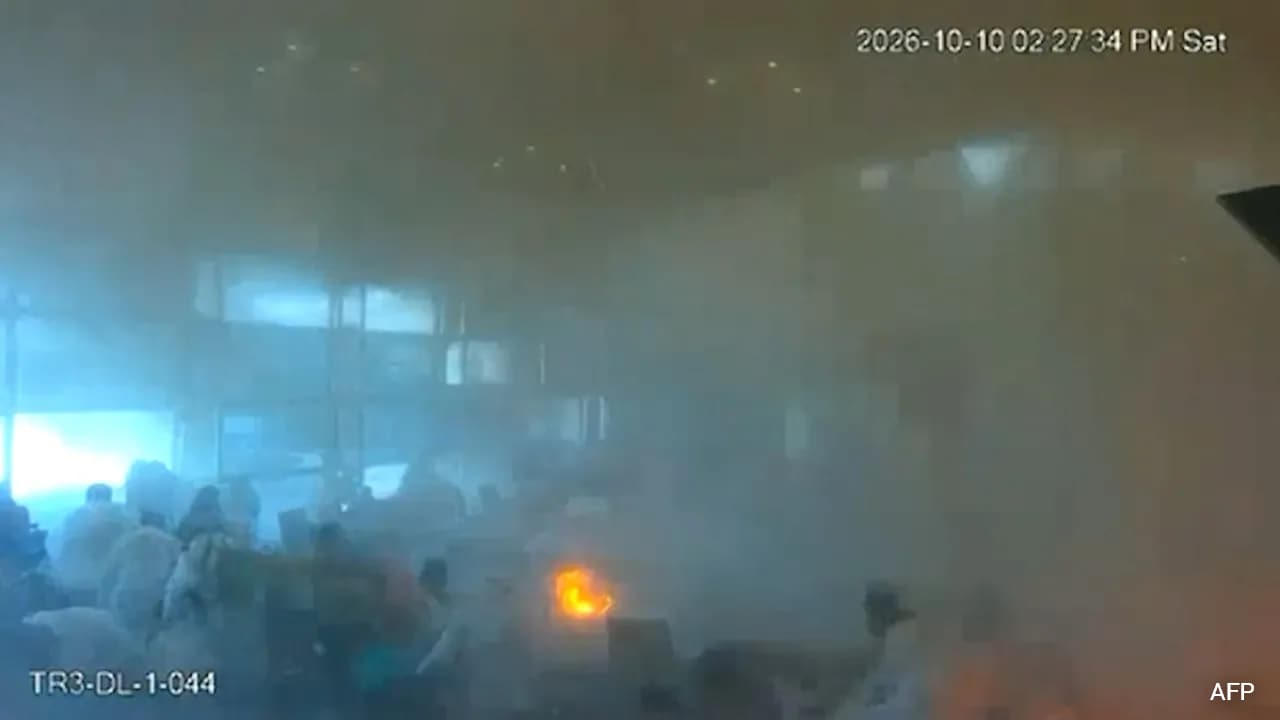
Air defense batteries fire into the night sky above Riyadh with monotonous regularity. Interceptor missiles streak upward, illuminating the desert horizon before detonating inbound threats launched by Houthi forces from Yemen. This recurring sequence has become the grim choreography of a protracted regional struggle. Diplomatic initiatives stall while military budgets swell, leaving millions trapped in an unending cycle of violence that defies simple resolution.
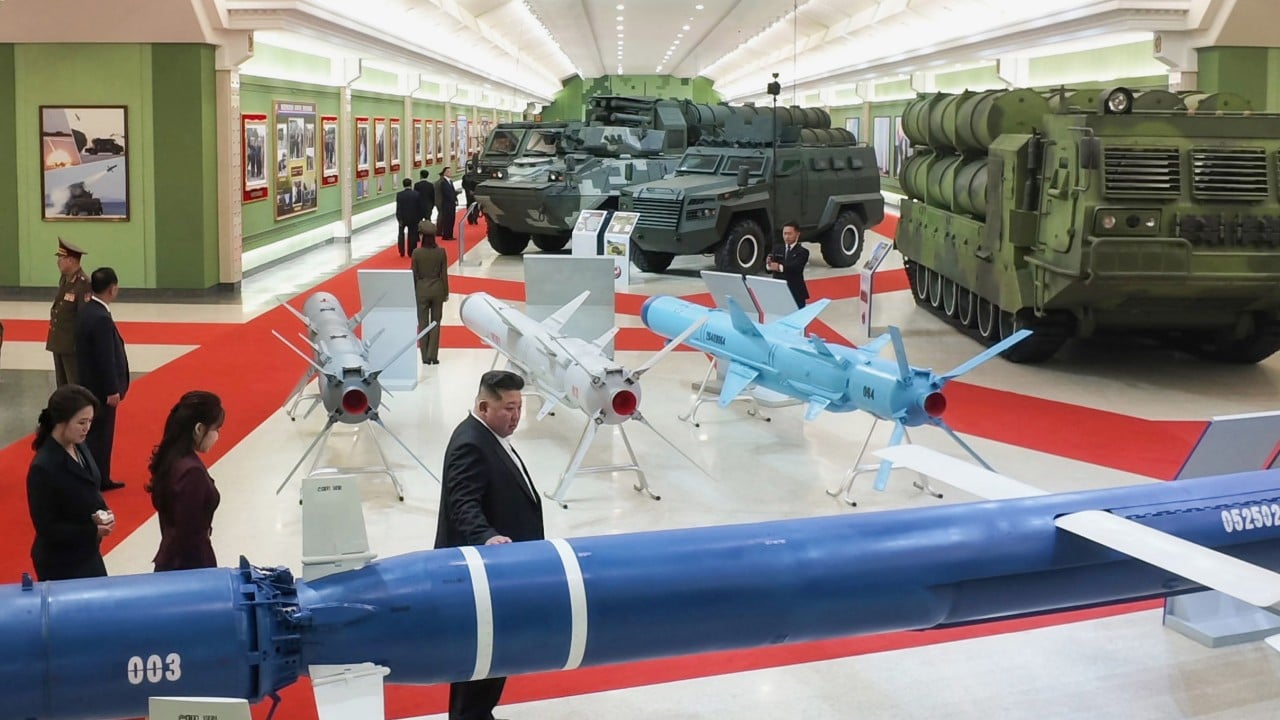
The conflict in Yemen long ago evolved past a localized civil war. It functions as a testing ground for advanced ballistic technology and asymmetric warfare tactics. When Houthi fighters seize territory or launch projectiles across international borders, they do so with hardware that has grown increasingly sophisticated over the years. Supply lines running through porous maritime and land routes ensure that economic blockades achieve only partial success, forcing governments to rely on kinetic defense rather than political containment.
Defending against these incoming vectors is an expensive gamble. A single Patriot or equivalent interceptor battery can cost millions of dollars per launch, while the incoming threat might consist of a crudely assembled drone built with commercial components costing a fraction of that amount. This economic asymmetry favors the attacker. Policymakers in Riyadh and Washington face a stark financial reality where protracted defense eventually strains even the most robust treasury.
Beneath the tactical maneuvers lies a humanitarian catastrophe that receives diminishing attention as fatigue sets in across global capitals. Hospitals lack basic supplies, agricultural land remains contaminated by unexploded ordnance, and displacement camps swell with families fleeing active combat zones. International aid organizations struggle to secure funding or safe passage, hampered by shifting frontline boundaries and bureaucratic obstacles imposed by all factions involved in the hostilities.
Regional dynamics further complicate any path toward lasting stability. External actors provide varying levels of material and diplomatic backing to different factions, turning local grievances into proxy friction. Trust between adversaries remains near zero. Every ceasefire agreement collapses under the weight of minor skirmishes or deep-seated suspicions regarding ultimate political control over strategic ports and oil infrastructure.
Military solutions have consistently fallen short of delivering genuine peace. Force can blunt an attack or protect a specific installation for a night, but it cannot alter the political motivations driving the combatants. Until the underlying structural issues—governance, resource distribution, and regional security architectures—are addressed with genuine diplomatic will, the night skies over the Arabian Peninsula will continue to light up with the flash of interceptor fire.
The cost of this stalemate is measured not just in currency or destroyed hardware, but in generations of civilians who have never known stability. As new rounds of talks sputter out and tactical strikes resume, the horizon remains unchanged. More missiles will fly, more interceptors will rise to meet them, and the underlying crisis will persist beneath the smoke.