The United Kingdom’s economic stability currently rests on a fragile equilibrium between stagnant domestic productivity and a high sensitivity to global energy spot prices. While mainstream discourse frames a potential downturn as a "flirtation" with recession, a rigorous analysis of the UK’s energy-import dependency and consumer-spending multipliers suggests a more structural vulnerability. The catalyst for this contraction is not merely a rise in oil prices due to Middle Eastern geopolitical friction, but the systemic inability of the British economy to absorb supply-side shocks without immediate, aggressive monetary intervention.
The Transmission Mechanism of Crude Oil Shocks
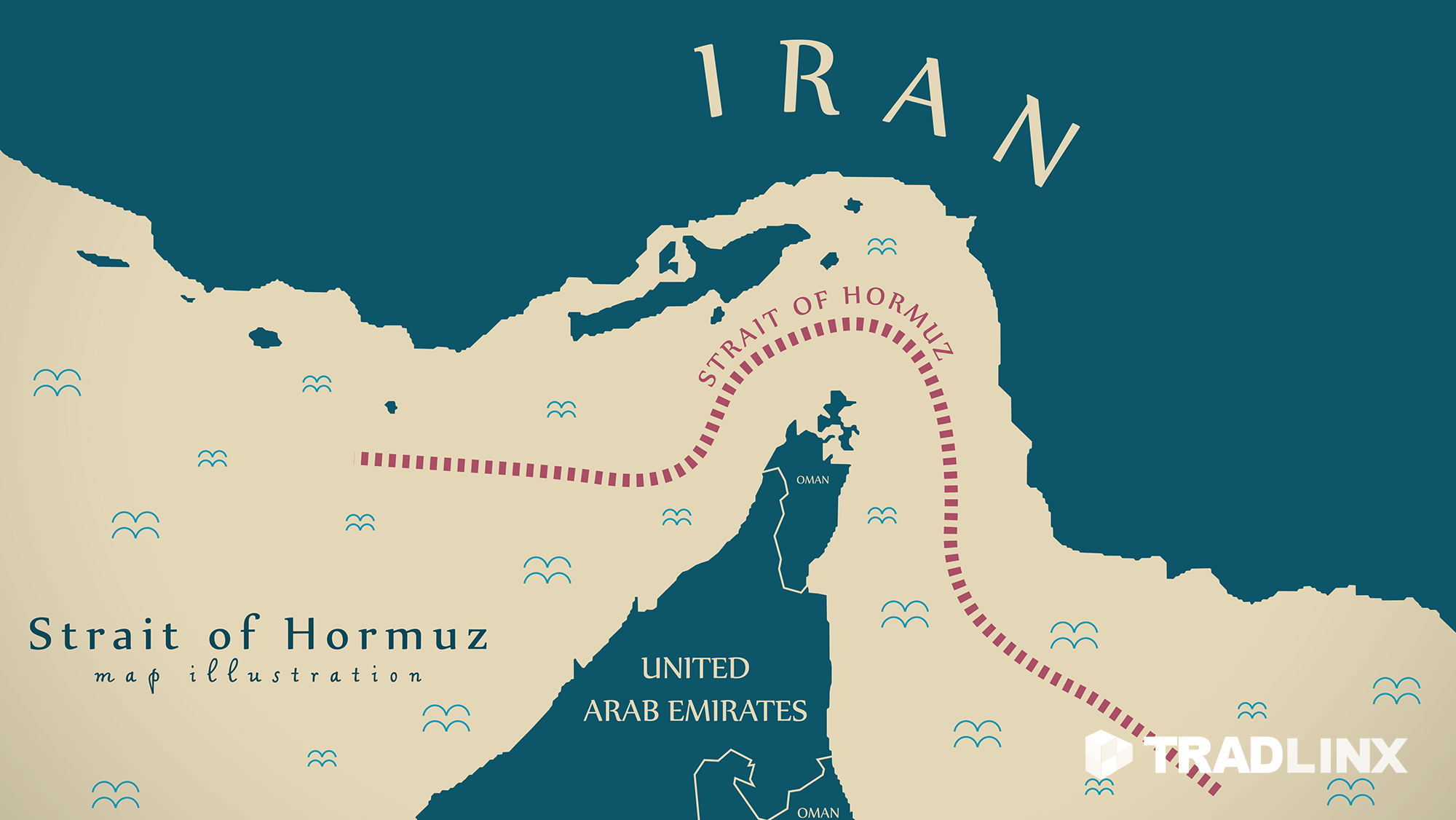
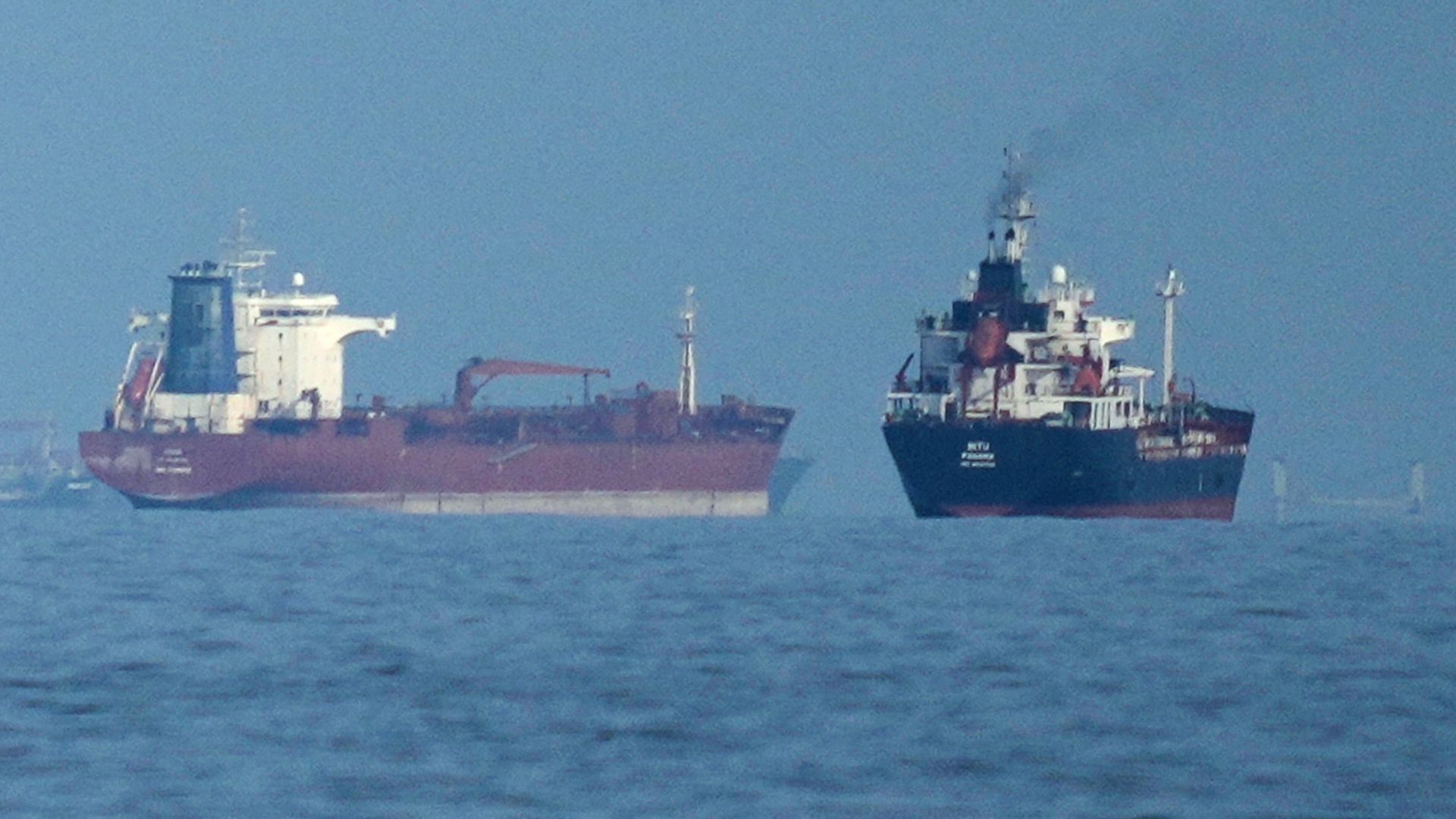
To understand the risk of a UK recession, one must move beyond the price at the pump and examine the broader cost-push inflation cycle. When geopolitical tensions—specifically involving Iranian maritime blockades or regional escalation—threaten the Strait of Hormuz, the impact on the UK economy follows a predictable three-stage transmission mechanism.
- Direct Input Cost Inflation: Oil is a primary input for transportation and petrochemicals. Because the UK has limited domestic refining capacity relative to its total consumption, it remains a price taker in the global market.
- Secondary Margin Compression: As logistical costs rise, firms face a choice: absorb the costs through reduced profit margins or pass them to consumers. In a high-interest-rate environment where corporate debt servicing is already elevated, most firms are forced to prioritize debt obligations over margin absorption, leading to widespread price hikes.
- The Consumption Feedback Loop: The UK economy is roughly 60% driven by household consumption. When energy costs spike, discretionary income is diverted to essential utilities and fuel. This reduction in the "marginal propensity to consume" non-essential goods creates a demand-side contraction that mirrors the supply-side shock.
The Elasticity of Demand and the 100 Dollar Barrel
Current economic modeling suggests that a sustained oil price above $100 per barrel acts as a de facto tax on the British public. Unlike a standard fiscal tax, which the government can redistribute to stimulate growth, this "energy tax" represents a direct wealth transfer to foreign exporters.
The structural problem lies in the low price elasticity of demand for energy in the UK. Short-term consumption patterns for heating and commuting are relatively fixed. When prices rise by 20%, consumption does not drop by a corresponding percentage; instead, spending on other sectors—retail, hospitality, and leisure—is cannibalized to cover the shortfall. This creates a sectoral recession even if the aggregate GDP remains technically positive by a fraction of a percentage point.
Fiscal Constraints and the Bank of England Dilemma
The UK government faces a "pincer movement" regarding its fiscal and monetary response. During previous shocks, the government could deploy fiscal stimulus to buffer the blow. Today, the debt-to-GDP ratio restricts the Treasury’s ability to implement massive subsidies or tax cuts without triggering a negative reaction from bond markets.
The Bank of England (BoE) operates under a strict inflation-targeting mandate. An oil-driven spike in the Consumer Price Index (CPI) forces the BoE to keep interest rates higher for longer to prevent "second-round effects"—where workers demand higher wages to keep up with energy costs, leading to a wage-price spiral.
This creates a paradox:
- High energy prices slow down the economy (Contractionary).
- The resulting inflation prevents the central bank from cutting rates to stimulate the economy (Prohibitive).
- The government lacks the fiscal headroom to intervene (Paralysis).
Quantifying the Iran War Risk Premium
The geopolitical risk associated with Iran is not a binary "war or peace" scenario. Rather, it is a spectrum of supply-chain frictions. Market analysts currently price in a "risk premium" of $5 to $10 per barrel based on the probability of a disruption in the Persian Gulf. However, a total closure of the Strait of Hormuz—through which 20% of global petroleum liquids pass—would likely result in a parabolic price move.
The UK's specific vulnerability in this scenario is its reliance on liquefied natural gas (LNG) as a backup for electricity generation. While the focus is often on oil, the correlation between oil and gas prices in a wartime scenario is near 1.0. A disruption in the Middle East would spike LNG prices globally as Asian and European buyers compete for limited Atlantic-basin cargoes.
Structural Divergence: Why the UK Suffers More Than Peers
It is a fallacy to assume all G7 nations react to oil shocks identically. The US is a net exporter of energy, meaning higher prices can actually stimulate investment in the Permian Basin and boost GDP in energy-producing states. The UK, conversely, has seen North Sea production decline steadily.
- The Storage Deficit: The UK has historically low gas storage capacity compared to Germany or France. This lack of a "buffer" means global price volatility is felt almost instantly by UK industry.
- The Housing Stock Inefficiency: British homes are among the least energy-efficient in Western Europe. A $1 increase in heating costs has a larger impact on the average UK household's disposable income than it does on a household in Scandinavia or France, where insulation or nuclear-based district heating provides a shield.
- Labour Market Tightness: The UK's post-Brexit labour market remains tight. Supply-side energy shocks are more likely to translate into wage demands in the UK than in economies with higher labor slack, forcing the BoE to stay hawkish and further suffocating growth.
The Cost Function of Industrial Stagnation
For the manufacturing sector, energy is a non-negotiable cost of production. High-intensity sectors such as steel, glass, and ceramics cannot operate if energy prices exceed a certain threshold. When these industries shut down temporarily due to price spikes, the damage is rarely temporary. Supply chains migrate to regions with lower or more stable energy costs, leading to permanent "deindustrialization by stealth."
The UK's service-based economy is not immune. Data centers, logistics hubs, and large-scale retail environments are all energy-intensive. A spike in wholesale power prices increases the overhead for every square foot of commercial real estate in the country, further depressing the valuation of UK equities and reducing the attractiveness of the UK as a destination for Foreign Direct Investment (FDI).
Identifying the Tipping Point
A technical recession—defined as two consecutive quarters of negative growth—is a lagging indicator. The real-time metric of concern is the "Output Gap." If the UK economy is already operating near its potential and is hit by an energy shock, the resulting friction creates immediate stagflationary pressure.
Key indicators to monitor for the transition from "slowdown" to "recession" include:
- The Sterling-Oil Correlation: If the Pound weakens simultaneously as oil prices rise (common during geopolitical instability), the cost of fuel imports increases exponentially because oil is priced in Dollars.
- Consumer Credit Default Rates: An uptick in credit card and personal loan defaults suggests that households have exhausted their savings buffers to pay for essential energy and are beginning to fail on discretionary debt.
- Inventory De-stocking: When businesses stop ordering new stock because they fear a drop in demand, the "bullwhip effect" can turn a small decline in consumer spending into a major industrial contraction.
Strategic Deployment of Capital in a Volatile Energy Environment
The path to mitigating this vulnerability involves a multi-decade shift in energy architecture, but the immediate strategic requirement is one of resilience. Corporations operating in the UK must move toward energy-hedging strategies that look beyond 12-month cycles.
For the state, the only viable defense against the "Iran war oil shock" is the rapid expansion of non-correlated energy sources. However, in the immediate term, the UK must prepare for a period of "Economic Attrition." Growth will likely remain sub-1% for the foreseeable future as the economy re-adjusts to a higher-cost floor for energy.
The tactical move for investors and policymakers is to treat the UK not as a diversified growth economy, but as an energy-sensitive derivative. Risk management must prioritize liquidity and the ability to withstand prolonged periods of high interest rates. The assumption that the BoE will "save" the market by cutting rates during a recession is flawed; if that recession is caused by an energy-driven inflation spike, the central bank’s hands are effectively tied. The UK is not just flirting with recession; it is testing the structural limits of its post-industrial model.