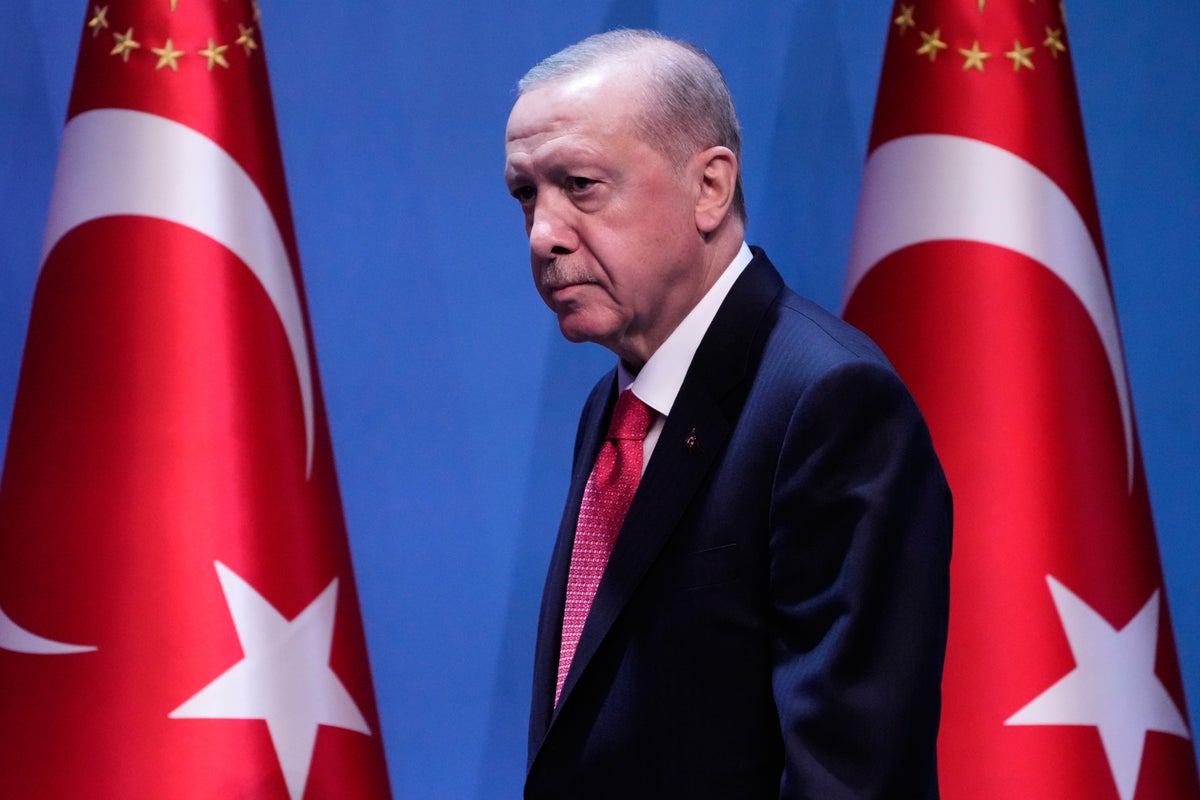
Ten years is a long time in politics, but in Turkey, the ghosts of July 15, 2016, remain as active as ever. President Recep Tayyip Erdogan made that abundantly clear during his address marking the tenth anniversary of the failed coup attempt. He issued a fierce demand for Western nations to deport the suspects linked to the putsch. Erdogan wants these individuals, whom he accuses of living in luxury abroad while plotting against the Turkish state, returned to face Turkish justice. For Erdogan, this isn't just about closure. It's a foundational element of his political survival and a defining feature of Turkey's foreign policy.
The demand sounds straightforward on its face. Turkey wants foreign governments to hand over individuals it considers national security threats. In practice, it’s a diplomatic nightmare. The target of these demands is the Gulen movement, which Turkey designates as the Fetullahist Terrorist Organization, or FETO. For a decade, Western capitals have pushed back against Ankara's extradition requests. They cite lack of concrete evidence and concerns over the fairness of Turkey's judicial system. This legal and political gridlock is not going away anytime soon. In related developments, we also covered: Why the UKs Social Media Curfew Will Spark a Dark Web Boom for Teens.
Understanding why Erdogan keeps pressing this issue requires looking past the rhetoric. This is a calculated strategy that serves domestic consolidation just as much as it aims to secure actual extraditions.
The Geopolitical Gridlock of Turkish Extradition Demands
Ankara’s quest to secure the deportation of coup suspects has hit a brick wall in Washington and European capitals. The late Fethullah Gulen, the cleric blamed for orchestrating the coup, lived in self-imposed exile in Pennsylvania for decades until his death in late 2024. Despite continuous pressure, the United States consistently refused to extradite him, demanding legally binding evidence of his direct involvement in the putsch. The Guardian has analyzed this important subject in great detail.
This standard remains the primary obstacle for Turkey. Western legal systems maintain a high bar for extradition. They require proof of "dual criminality"—that the alleged act is a crime in both countries—and solid evidence connecting the individual to the specific crime. Most Western courts view Turkey’s broad anti-terror laws with skepticism. They worry that extradited individuals will face political prosecution rather than a fair trial.
Turkey’s European partners have taken a similar stance. Countries like Germany, Greece, and Sweden have granted asylum to thousands of Turkish citizens who fled after 2016. To Erdogan, this is harboring terrorists. To Europe, it's protecting political dissidents from a flawed legal process. The diplomatic fallout has been immense. Turkey has repeatedly used its leverage, such as stalling Sweden's NATO accession, to demand action against Gulenists and Kurdish activists.
How the Failed Coup Became Turkey's Modern Founding Myth
To understand why this issue still commands headlines, you have to look at how July 15 transformed Turkey's domestic political framework. The failed coup gave Erdogan’s administration a powerful, emotionally charged narrative. It became a modern founding myth complete with martyrs, villains, and a grand story of national salvation.
On that night in 2016, rogue military units took over the Bosphorus Bridge in Istanbul and bombed the parliament building in Ankara. Erdogan famously called on the public via FaceTime to resist the putsch. Citizens took to the streets, facing down tanks and helicopters. More than 250 people died, and thousands were injured.
This tragedy allowed the government to create a powerful divide: you are either with the state, or you are with the traitors. Over the last decade, this binary has been used to justify the complete restructuring of Turkish public life. It justified a two-year state of emergency and the issuance of dozens of sweeping decrees. The state of emergency may have ended in 2018, but the legal and political mechanisms it introduced have been thoroughly normalized.
The Scale of the Post-Coup Purges
The numbers tell the story of a state completely remade from the inside out:
- Civil Service: Over 125,000 public servants, including teachers, doctors, and bureaucrats, were dismissed from their jobs.
- The Judiciary: More than 2,700 judges and prosecutors were suspended or detained in the immediate aftermath, clearing the way for a loyalist judiciary.
- The Military: The Turkish Armed Forces lost a massive portion of their officer corps, fundamentally altering the military's relationship with civilian leadership.
- Private Property: The government seized billions of dollars in assets from businesses, schools, and foundations accused of having ties to the Gulenist network.
This sweeping purge created a massive vacancy inside Turkish institutions. These positions were filled by loyalists, cementing a new state apparatus that is directly tied to the presidency. By keeping the threat of the "internal enemy" alive, the ruling party maintains the justification for this institutional control.
The Internal Struggles of a Decapitated Movement
The Gulenist network is not what it used to be. The death of Fethullah Gulen in October 2024 dealt a severe blow to the movement’s morale and cohesion. Without its charismatic leader, the organization has fractured into competing factions fighting over financial resources and leadership roles.
Erdogan acknowledges this shift but warns against complacency. In his recent speeches, he has highlighted that while the physical threat within Turkey has been largely neutralized, the digital threat remains active. He points to coordinated social media campaigns and lobbying efforts in Western capitals as evidence that the group is still trying to destabilize Turkey from afar.
This evolution of the threat keeps the narrative useful for domestic consumption. Even if the group can no longer launch a military coup, it can still be blamed for economic troubles, negative press coverage, or diplomatic friction. It serves as a universal scapegoat.
What Lies Ahead for Turkish Foreign Policy
Do not expect Turkey to back down on its extradition demands. This issue has become deeply woven into Turkey’s transactional approach to foreign policy. Whenever Ankara negotiates with Washington or Brussels on trade, defense, or migration, the deportation of coup suspects will be on the table.
For Western policymakers, the challenge is managing this persistent friction without compromising their own legal standards or human rights commitments. Turkey is a critical NATO ally, a major trading partner, and a buffer against Middle Eastern instability. Completely ignoring Ankara's concerns is not an option, but blanket deportations of suspects without solid judicial evidence would violate Western domestic laws.
The reality is a status quo of managed tension. Turkey will continue to carry out intelligence operations abroad to capture low-level suspects in countries with weaker legal institutions, while high-profile figures in Western Europe and North America will remain protected by local legal frameworks. Inside Turkey, the memory of July 15 will continue to shape the political environment, serving as a reminder of a night that permanently changed the course of the country’s history.