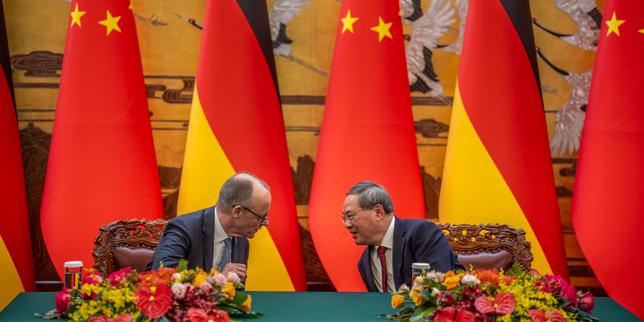
The European Union faces an escalating trade deficit with China that threatens the stability of its domestic manufacturing base. Brussels spent years treating industrial decline as an acceptable side effect of globalization, but the economic math no longer adds up. European exports struggle against heavily subsidized Chinese technology and consumer goods, creating an imbalance that policy statements alone cannot fix.
Trade deficits are rarely just about accounting numbers. They reveal deeper structural vulnerabilities in how an economy produces, innovates, and protects its strategic industries. When a continent relies entirely on a single external partner for critical inputs, green technology components, and advanced machinery, commerce becomes leverage.
For decades, European leadership assumed that economic interdependence would naturally lead to reciprocal openness. That assumption has collapsed under the weight of state-directed industrial policy in Beijing, leaving European firms exposed in sectors they once dominated.
The Cost of Delayed Recognition
European policymakers are waking up to a stark reality. Domestic producers face rising energy expenses, rigid labor frameworks, and stringent environmental regulations while competing against foreign rivals operating under entirely different rules.
Consider the automotive sector, long considered the crown jewel of European engineering. Electric vehicle manufacturing requires massive supply chain integration, from raw battery materials to refined rare earths. European automakers invested heavily in electrification, only to find themselves undercut by imported alternatives that benefit from decades of state-backed upstream support.
Tariffs and trade defense instruments are blunt tools. When used incorrectly, they provoke retaliatory measures that hurt export-oriented European nations like Germany. Yet refusing to act guarantees the steady erosion of industrial capacity. Brussels must decide whether defending market principles is more important than having a market left to defend.
Structural Asymmetries in Modern Commerce
The core issue extends beyond simple pricing advantages. Modern trade involves intellectual property standards, technology transfer requirements, and unequal market access. European companies operating in foreign jurisdictions frequently encounter mandatory joint ventures and regulatory hurdles designed to favor domestic competitors over time.
Reciprocity was supposed to be the bedrock of international trade agreements. Instead, European markets remained largely open while access for foreign entities remained conditional and heavily managed. This asymmetry drained institutional know-how from the continent, shifting critical manufacturing nodes eastward.
Rebuilding industrial resilience requires targeted investments in domestic production capacity, streamlined regulatory approval for critical infrastructure, and aggressive enforcement of anti-subsidies laws. Subsidies distort competition, and pretending otherwise only prolongs the pain for domestic firms.
The Geopolitical Reckoning
Economic security is national security. European capitals can no longer treat trade policy as an accounting exercise divorced from geopolitical reality. Supply chain vulnerabilities create immediate risks when diplomatic tensions rise or global logistics face sudden disruption.
Diversification remains a popular talking point in policy circles, but moving established industrial ecosystems takes years and trillions of euros. Capital allocation must align with strategic necessity rather than short-term cost optimization.
The European Union possesses the economic weight, the technical talent, and the regulatory authority to alter this trajectory. What has been missing is the political will to accept short-term friction in exchange for long-term survival. The window for gradual adjustment is closing rapidly.


