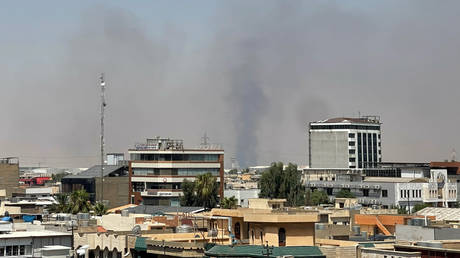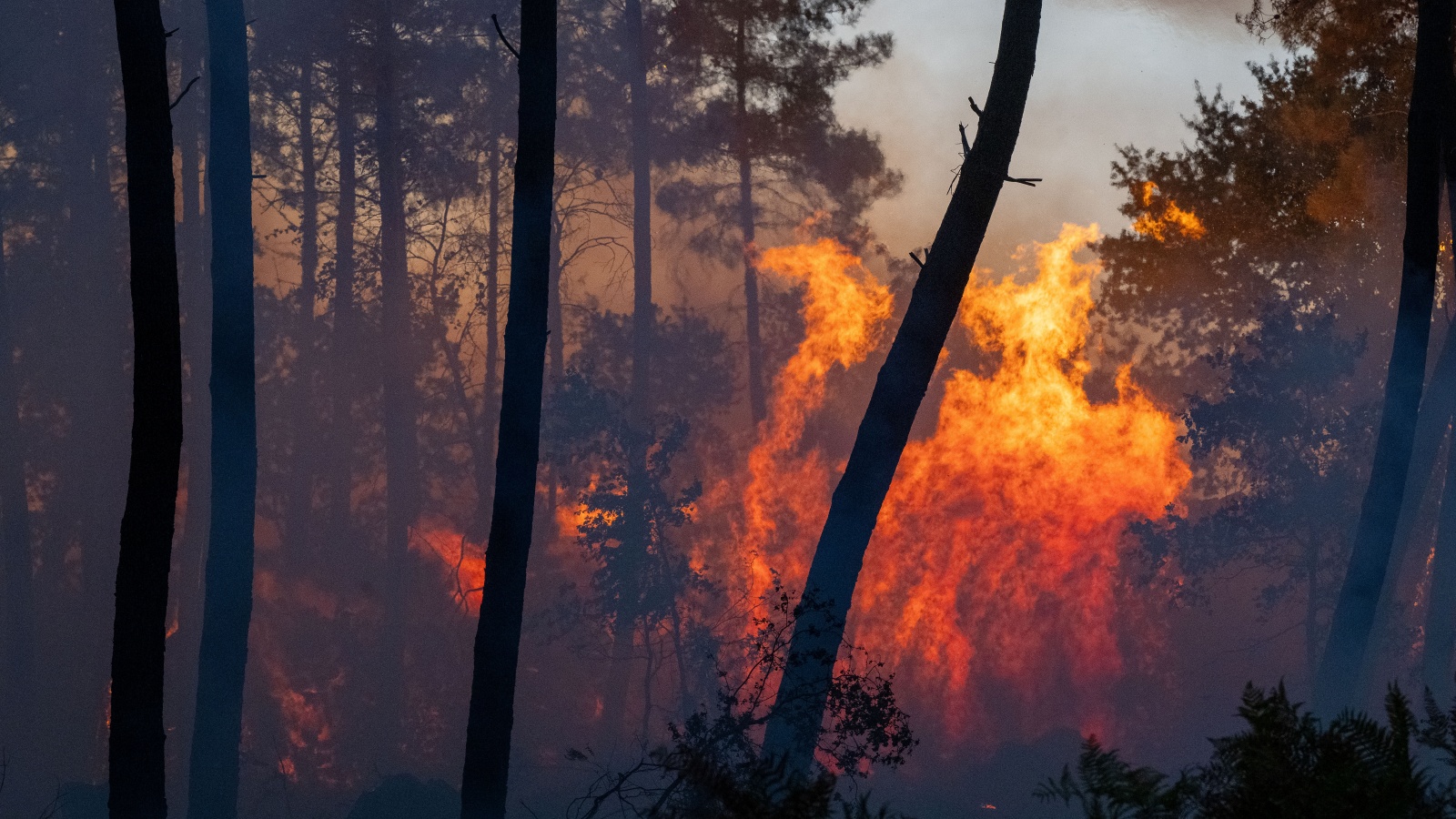
Record summer heat across Southern Europe has forced over 30,000 residents and tourists to evacuate communities throughout France and Spain. Emergency services are fighting uncontrollable blazes that threaten rural districts, coastal resorts, and critical transportation networks. While headlines focus almost exclusively on extreme weather anomalies, the scale of this crisis stems from systemic policy failures. Decades of land abandonment, inadequate forest management, and underfunded rural fire services have turned the Mediterranean basin into a powder keg. Without structural reforms in land use, seasonal heatwaves will continue to trigger catastrophic displacements every summer.
The Hidden Engine of Mediterranean Blazes
Extreme temperature spikes act as a catalyst, but fuel accumulation dictates a fire’s intensity. Over the past forty years, agricultural shift across Southern Europe led to massive rural depopulation. Small farms, traditional grazing operations, and active forestry once maintained natural firebreaks across France and Spain.
When smallholders abandoned these lands, aggressive scrub vegetation filled the void.
Undergrowth now grows unchecked across millions of hectares. Dense stands of pine and flammable brush create continuous fuel corridors that stretch from remote mountain ranges directly into residential suburbs. When a heatwave dries this vegetation, the fire load becomes explosive. Firefighters face infernos generating their own microclimates, making conventional suppression tactics completely ineffective.
| Factor | Historical Pattern | Current Reality | Impact on Wildfire Risk |
|---|---|---|---|
| Land Use | Active farming and grazing | Rural abandonment and rewilding | Continuous fuel corridors across regions |
| Forest Management | Regular timber harvesting and clearing | Minimal undergrowth maintenance | High accumulation of dry biomass |
| Emergency Focus | Localized containment | Massive regional evacuations | Resources overwhelmed instantly |
Why Suppression Alone Is Fighting a Losing Battle
European disaster response heavily favors reactive fire suppression over proactive prevention. Billions of euros flow into air tankers, heavy vehicles, and seasonal staffing. Yet, putting more water on a fire that burns at 1000°C does not solve the underlying physics of extreme wildland blazes.
Emergency infrastructure reaches a mathematical breaking point during simultaneous ignition events. When dozens of fires break out along the Spanish coast and French pine forests on the same afternoon, aircraft and ground crews are stretched past their capacity. Water drops evaporate before hitting the ground in extreme heat, and crews are forced back to protect essential roads and residential districts.
"When fire intensity passes a certain thermodynamic threshold, direct attack is impossible. You cannot extinguish it; you can only fall back and clear people out of the way."
Countries like Spain have invested in sophisticated early detection networks, yet rural zones lack basic defensive design. Communities sit adjacent to dense, unmanaged woodlands without perimeter buffers or enforced clearing zones.
The Economic Cost of Annual Mass Evacuations
Massive evacuations carry massive price tags. Local economies across regions like Gironde in France or Andalusia in Spain rely heavily on seasonal tourism. Forced evacuations erase peak summer revenue for hotel operators, restaurants, and local vendors in a matter of hours.
Beyond immediate business losses, the structural damage to regional infrastructure takes years to repair. High-voltage power grids melt, roads buckle, and soil erosion following a burn leads to devastating winter mudslides.
Insurance markets are beginning to react to this annual reality. Coverage for properties bordering wildland areas in Southern Europe is becoming prohibitively expensive or entirely unavailable. Local governments face a choice between absorbing these financial risks or mandating expensive retrofits for every structure in high-risk zones.
Shifting Policy from Reactive to Preventive Measures
Fixing this structural threat requires moving away from the political comfort of emergency response photos and focusing on unglamorous land management.
- Re-establishing controlled burning protocols during winter and spring months to eliminate accumulated undergrowth before summer heat arrives.
- Enforcing mandatory brush clearing around all residential structures and commercial developments located within wildland-urban interfaces.
- Incentivizing livestock grazing programs along key corridors to maintain natural firebreaks near vulnerable infrastructure.
- Restricting residential development in high-risk pine ecosystems that possess single-access roads.
Suppression efforts will always remain necessary, but relying on fire brigades as the primary defense line against extreme heatwaves guarantees repeated mass evacuations. Europe must manage its land before the land burns itself out.