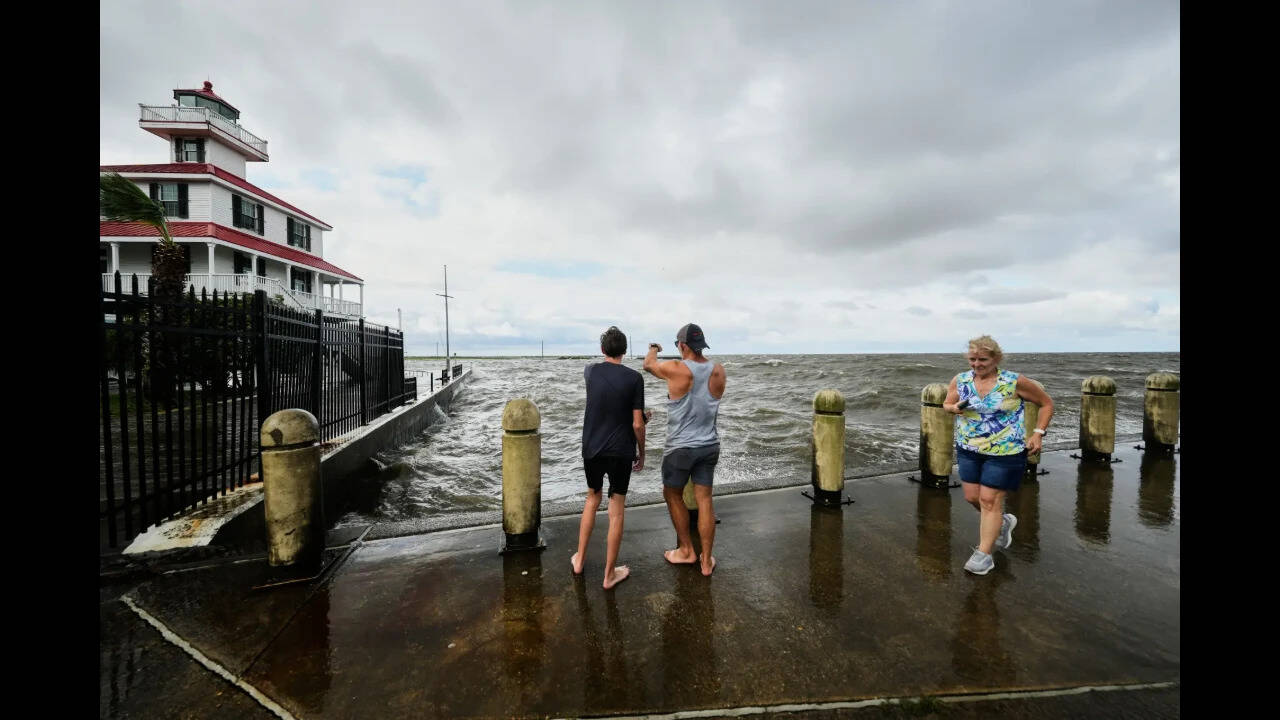
You step into the warm Gulf coastal waters thinking about nothing more than cooling off, but a microscopic hazard is waiting for the smallest break in your skin. Five people have died in Louisiana out of nine total reported cases, a terrifying fatality rate that has state health officials sounding alarms. People call it a flesh eating bacteria, but the medical name is Vibrio vulnificus, and it moves fast enough to turn a simple beach trip into a fight for survival within forty-eight hours.
If you look at typical years past, Louisiana usually averages about seven cases and a single death during the exact same timeframe. This year is different. The numbers spiked abruptly, and every single infected patient suffered from wound exposure tied directly to seawater while managing pre-existing medical conditions.
Why Vibrio Vulnificus Thrives in Warm Waters
The mechanics behind these infections are straightforward and brutal. Vibrio bacteria love heat. When coastal water temperatures climb between May and October, these organisms multiply rapidly. They live naturally in marine environments, waiting for an opportunity to enter your body through two main routes: open cuts or raw seafood.
Most people assume you have to be missing a limb or swimming with a gushing injury to be at risk. That is completely false. A minor scrape from a shell, a fresh razor nick on your leg, or even a new piercing exposed to brackish water can serve as an open door. Once inside the bloodstream, the bacteria can trigger necrotizing fasciitis, a condition where the tissue surrounding the wound literally dies.
The High Risk Profile You Cannot Ignore
Not everyone faces the same danger. If you are entirely healthy with a robust immune system, your body might fight off a mild exposure or experience typical food poisoning symptoms like vomiting and diarrhea.
The statistics shift dramatically for vulnerable populations. Every single individual who died in the recent Louisiana cluster carried underlying health issues. Chronic liver disease, diabetes, and compromised immune systems act as gasoline on a fire when Vibrio vulnificus enters the body. About one in five people who contract this specific infection will not survive, and some deteriorate so rapidly that septic shock sets in within a day.
Practical Steps to Protect Yourself
Panic is useless, but ignorance is fatal. You don't have to lock yourself indoors all summer, but you do need to change how you interact with coastal environments.
- Keep out of saltwater or brackish water if you have any fresh cuts, scrapes, or new tattoos.
- Waterproof bandages do not offer guaranteed protection against microscopic bacteria in warm water. Skip swimming until your skin heals completely.
- Skip raw or undercooked oysters and shellfish, especially if you fall into a high-risk medical category.
- Wash your hands thoroughly after handling raw seafood in the kitchen to prevent cross-contamination.
Pay close attention to your body if you've been near the coast. Should a minor wound start showing intense redness, swelling, rapid warmth, or unusual pain within hours of water exposure, act immediately. Tell your doctor about your recent contact with seawater because early antibiotic intervention is the only thing standing between a manageable treatment and a catastrophic outcome.