Twenty-two people are finally going home after a grueling stint in hospital isolation following a hantavirus scare. It’s the kind of news that makes you breathe a sigh of relief, but it also highlights how little the average person understands about this virus. We see "isolation" and "virus" in a headline and our brains immediately jump to pandemic-level panic. That's a mistake. Hantavirus isn't the next global lockdown trigger, but for the people stuck in those hospital rooms, the stakes couldn't have been higher.
The release of these individuals marks the end of a high-stakes waiting game. When you’re dealing with hantavirus, doctors aren't just treating symptoms; they’re watching for a specific, often deadly turn. This group of twenty-two wasn't just "resting." They were under the microscope because hantavirus doesn't play fair. It has an incubation period that can stretch for weeks, leaving patients and medical staff in a state of suspended animation.
The Reality of Hantavirus Isolation
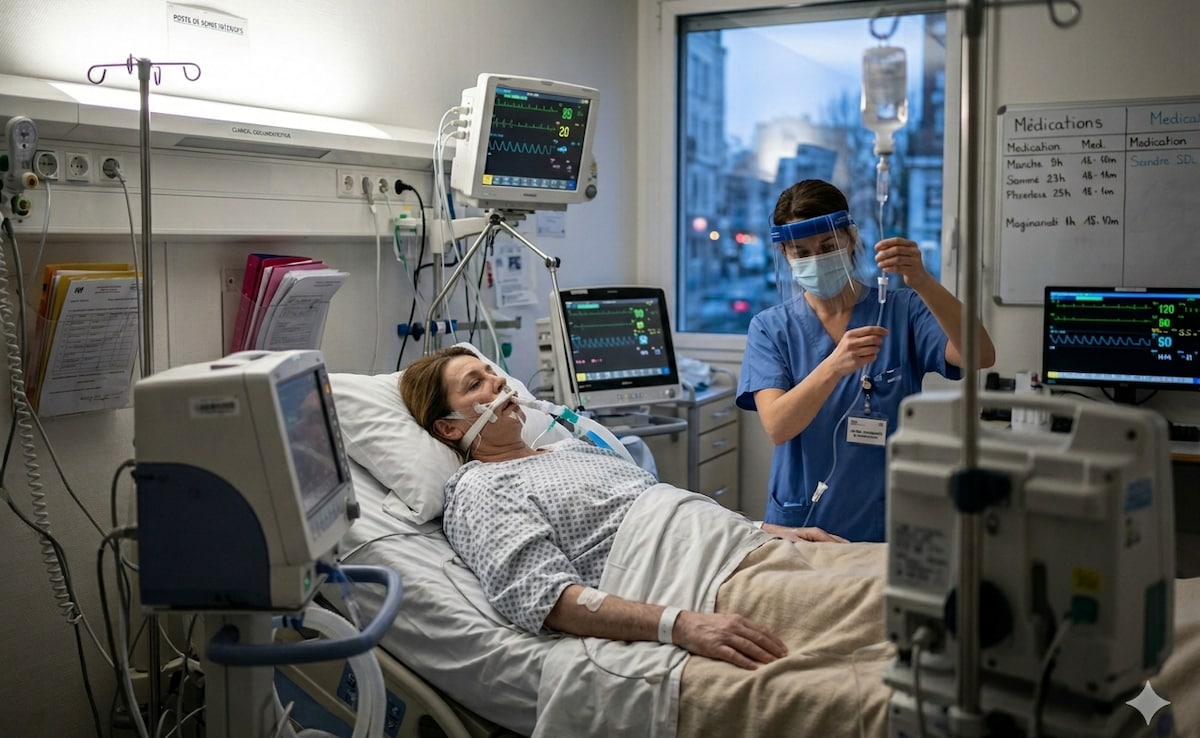
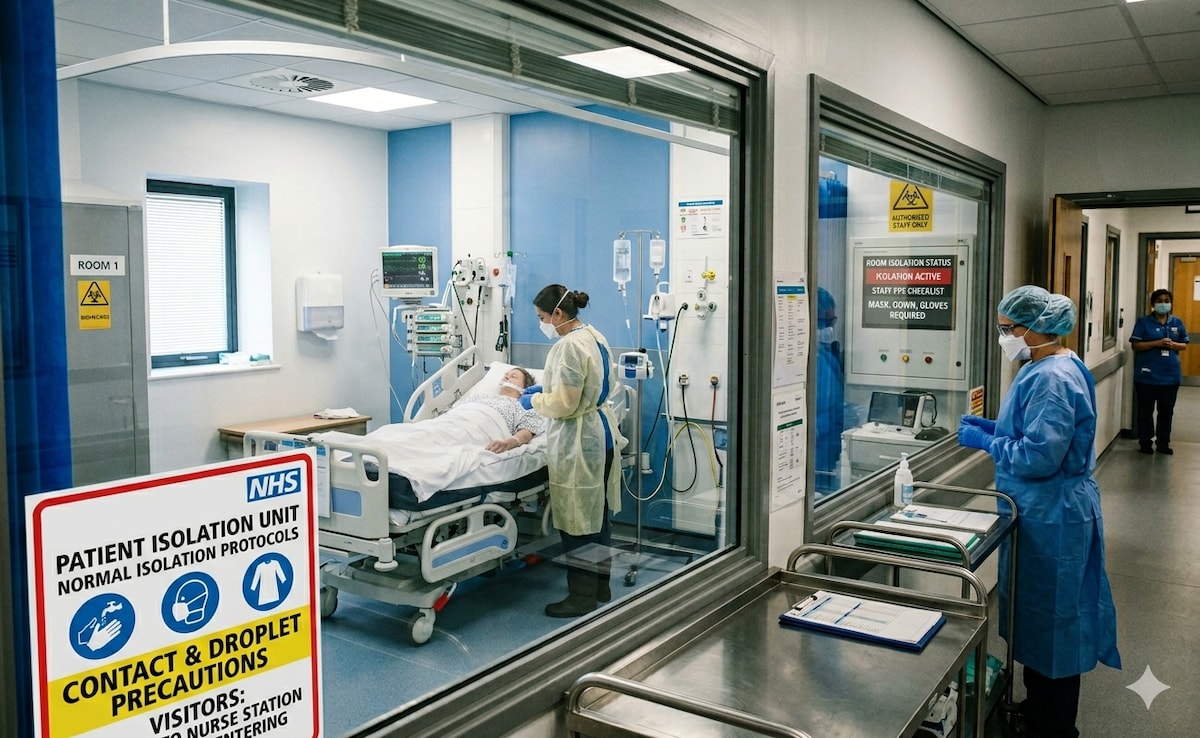
Living through a medical isolation isn't like a stay at a hotel. It’s sterile. It’s lonely. It’s loud with the hum of monitors. For these twenty-two people, the psychological toll likely outweighed the physical symptoms for much of their stay. You’re waiting for your lungs to fail. That’s the blunt truth.
Hantavirus Pulmonary Syndrome (HPS) is the primary concern here. It starts like a common flu—chills, fever, muscle aches in the thighs and hips. Most people think they can just sleep it off. Then, suddenly, the lungs fill with fluid. You can’t breathe. In about 38% of cases, according to CDC data, you don't make it out.
The medical team kept these patients isolated not because they were "contagious" in the way we think of the flu, but to ensure immediate intervention if that respiratory crash happened. Hantavirus is typically a dead-end virus in humans. You don't usually catch it from the person in the next bed. You catch it from the dust stirred up by rodents.
Why We Panic Over the Wrong Things
The public obsession with these twenty-two cases often misses the point of how hantavirus actually works. I've seen people asking if they should wear masks in grocery stores because of these reports. That’s a fundamental misunderstanding of the science.
You aren't going to catch this walking down the street. You catch it when you decide to clean out that old shed or the summer cabin that’s been shuttered for six months. Deer mice are the main culprits. They leave behind urine and droppings. When you sweep that up, you aerosolize the virus. You breathe it in. That’s the moment of infection.
The fact that twenty-two people were hospitalized at once suggests a common exposure point—likely a shared workspace or a specific building that was infested. The hospital didn't keep them because they were a threat to the public. They kept them because the virus is a threat to the patient.
Managing the Risk Without the Hysteria
If you're worried about hantavirus after hearing about these hospital releases, don't buy a hazmat suit. Just change how you clean. If you see mouse droppings, don't grab a broom.
- Wet it down. Use a mixture of bleach and water. This keeps the dust from rising.
- Wear gloves. Seems obvious, but people forget.
- Ventilate. Open the doors and windows for at least 30 minutes before you even start.
The medical community's success in clearing these twenty-two patients is a win for early monitoring. It shows that when we identify exposure early, we can manage the outcome. We don't have a "cure" or a specific vaccine for hantavirus yet. Treatment is basically "supportive care"—helping you breathe while your body fights.
The Long Road After the Hospital
Leaving the hospital is just the first step. Recovery from a virus like this isn't instant. Your lungs need time. Your strength won't be back to 100% for weeks, maybe months.
The twenty-two individuals heading home will likely deal with fatigue and some lingering respiratory sensitivity. More importantly, they’ll have to deal with the "survivor" label in their community. There’s a stigma attached to being part of a medical isolation group. People might avoid them, even though they aren't contagious.
Stop treating these headlines like a horror movie script. It’s a public health success story. Twenty-two people went into the most dangerous phase of a rare disease and came out the other side. That’s a testament to modern monitoring and rapid response.
If you have a cabin or an old garage, take the cleaning precautions seriously. Don't fear your neighbor who just got out of the hospital; fear the dust in your own attic.
Check your storage areas today. If you see signs of rodents, get the bleach out before you grab the vacuum. That's the only way to stay out of the isolation ward yourself.