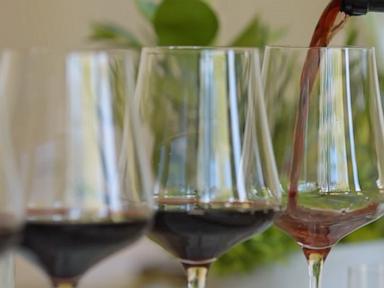
The bottle of Cabernet Sauvignon you buy today won't taste the same in ten years. It might not even come from the same region. Climate change isn't a vague future threat for global viticulture. It's happening right now in every vineyard from Bordeaux to Napa Valley. Wine grapes are incredibly sensitive to temperature fluctuations, and warming regions are forcing winemakers to completely rewrite their playbooks just to keep their businesses alive.
If you love wine, you need to understand that the entire map of global production is shifting. Higher temperatures mean grapes ripen faster. Fast ripening drives up sugar levels. Higher sugar means more alcohol, less acidity, and a loss of those delicate, complex flavors that define great wine. Winemakers aren't just farming anymore. They're fighting for the survival of classic styles.
The Reality of Shifting Wine Regions
For centuries, geography defined wine. You knew exactly what to expect from a Chianti or a Marlborough Sauvignon Blanc because the local weather was predictable. That predictability is gone. Extreme heatwaves, unexpected spring frosts, and devastating wildfires are the new normal.
Take Bordeaux as an explicit example. The region built its reputation on strict traditions and specific grape varieties like Merlot and Cabernet Sauvignon. In response to rising temperatures, the Institut National de l'Origine et de la Qualité (INAO) officially approved six new grape varieties for use in Bordeaux wines, including Touriga Nacional and Alvarinho. These grapes thrive in hotter conditions and help maintain the acidity that warming weather destroys. When a region as traditional as Bordeaux changes its legal blending rules, you know the situation is urgent.
Meanwhile, the ideal climate zone for grape growing is moving toward the poles. Over the last decade, southern England has emerged as a serious producer of high-quality sparkling wine. The chalky soils of Sussex and Kent, combined with slightly warmer summers, now mirror the historic climate of Champagne, France. Big-name French houses like Taittinger have actively purchased land in the UK to secure their production for the coming decades.
Reengineering the Vineyard
Surviving the new climate reality requires immediate, physical changes on the ground. Winemakers can't just plant the same vines the way their grandparents did.
Changing the Canopy
Historically, grape growers pruned vines to maximize sun exposure. They wanted every bit of warmth to ripen the fruit. Now, they do the exact opposite. Growers use canopy management to shade the grapes. Leaving more leaf cover protects the fruit from direct sunlight, preventing sunscald and slowing down sugar accumulation. It's a simple, low-tech fix that saves harvests.
Rethinking Vineyard Direction
For generations, the golden rule in the Northern Hemisphere was to plant vineyards facing south to catch the sun. Today, new vineyards are frequently planted on northern slopes or east-facing hillsides to minimize intense afternoon heat. It keeps the grapes cooler and preserves essential acidity.
Smart Irrigation and Soil Health
Water scarcity is crippling traditional wine regions. In places like California and South Australia, underground drip irrigation systems are being paired with soil sensors. Growers use regenerative agriculture practices, keeping cover crops between vine rows to retain soil moisture and reduce ground temperature. Cover crops also prevent erosion during flash flooding events, which are becoming dangerously common.
The Fight Against Smoke Taint
Wildfires present an existential threat to modern wineries. It's not just the risk of the vineyard burning down. The real silent killer is smoke taint.
When wildfires burn near a vineyard, volatile phenols from the wood smoke penetrate the skin of the grapes. You can't wash it off. The grapes look completely normal, but during fermentation, these compounds bind with sugars. When you drink the finished wine, it tastes like ash, wet charcoal, and campfire smoke. It's completely unmarketable.
The Australian Wine Research Institute and universities across the American West have spent millions trying to solve this. Winemakers now use barrier sprays in the vineyard to block smoke absorption. If a crop is exposed, wineries turn to heavy filtration techniques like reverse osmosis or flash détente to strip out the unpleasant flavor compounds. But these processes are expensive and can strip away the good flavors too. It's a brutal compromise.
Adapting Your Own Wine Habits
The wine industry is pivoting, and consumers need to change their expectations too. The classic profiles of your favorite bottles are evolving, and supporting the industry means being open to new styles.
- Look for cooler sub-regions: Seek out wines from higher altitudes or coastal areas influenced by cold ocean currents, like the Casablanca Valley in Chile or the Anderson Valley in California.
- Embrace new varieties: Don't just stick to Chardonnay and Pinot Noir. Try drought-resistant varieties like Grenache, Vermentino, or Nero d'Avola that naturally thrive in hotter, drier conditions.
- Support sustainable wineries: Look for certifications that require water conservation, carbon reduction, and soil health initiatives.
The future of wine belongs to the adaptable. Winemakers who cling to old ways will find themselves holding dead vines, while those embracing innovative viticulture will keep filling our glasses with incredible, albeit different, wines.