The Federal Communications Commission (FCC) just threw a massive wrench into Disney’s legal department. On April 28, 2026, the agency issued an order that effectively puts a target on the back of every local ABC station Disney owns. Usually, broadcast licenses are a bureaucratic snooze-fest, renewing like clockwork every eight years. But the FCC isn't waiting until 2028 or 2031. They’ve ordered Disney to file for renewal within 30 days. That’s years ahead of the standard schedule.
If you think this is just about paperwork, you’re missing the bigger picture. This is a high-stakes game of political hardball. The official reason? An investigation into "unlawful discrimination" linked to Disney’s diversity, equity, and inclusion (DEI) policies. The real-world context? A furious White House and a late-night comedian who won't stop making jokes.
The Kimmel Factor and the Widows Glow
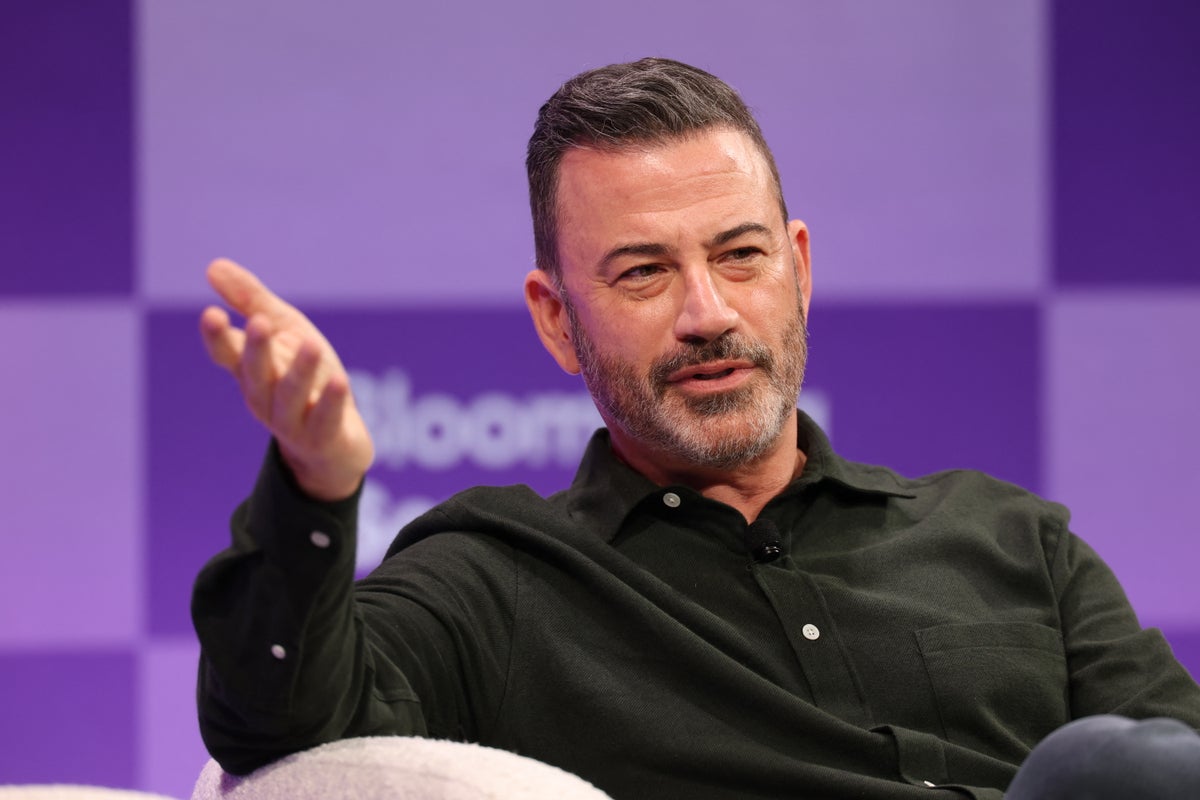
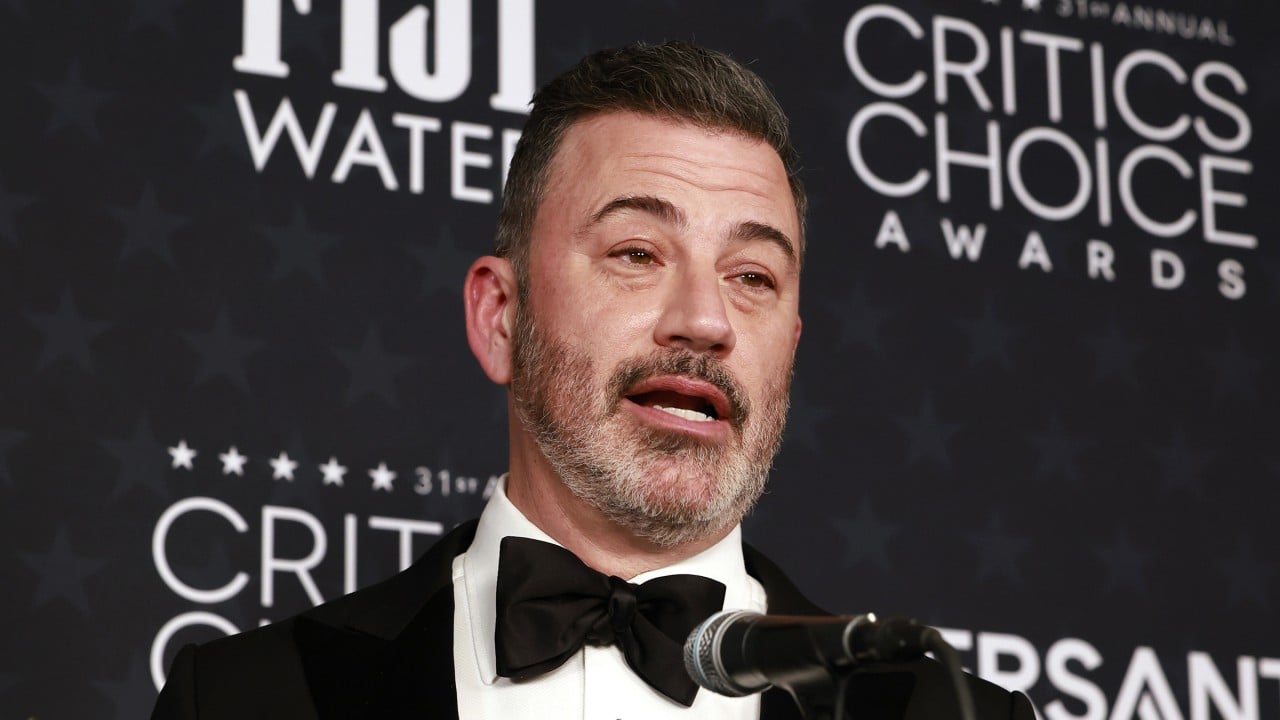
It’s hard to ignore the timing. Just days ago, Jimmy Kimmel sparked a firestorm with a joke about First Lady Melania Trump having the "glow of an expectant widow". Within 48 hours, an assassination attempt occurred at the White House Correspondents’ Dinner. The President didn't waste time. He publicly blamed Kimmel’s rhetoric for the violence and demanded ABC fire him immediately.
Now, the FCC—led by Trump-appointee Brendan Carr—is moving in. Carr has been vocal about using the agency’s power to "smash the facade" of what he calls the "fake news media". By accelerating the license review, the FCC is forcing Disney to prove it’s operating in the "public interest" right now, rather than years down the road.
What Disney Stands to Lose
Disney isn't just a movie studio. It’s a massive broadcaster. The company owns eight key television stations in the biggest markets in the country. We’re talking about:
- WABC-TV in New York
- KABC-TV in Los Angeles
- WLS-TV in Chicago
- WPVI-TV in Philadelphia
Losing a license in New York or LA isn't just a slap on the wrist; it’s a billion-dollar blow to the company’s infrastructure and local news reach. Disney’s response has been predictably firm. They claim a long record of serving local communities with "trusted news and emergency information". They’re banking on the First Amendment to protect them, and honestly, they have a strong case. But a "strong case" doesn't stop a multi-year legal battle from draining resources and spooking investors.
The DEI Investigation Gambit
Brendan Carr isn't just citing Kimmel. He’s leaning into an investigation into Disney’s diversity initiatives that’s been brewing since March 2025. The argument is that if Disney's hiring or content practices show "race- and gender-based discrimination," they might lack the "character qualifications" to hold a federal license.
It’s a clever, if aggressive, legal maneuver. By framing the issue around discrimination and "character," the FCC tries to sidestep the First Amendment’s protection of speech. After all, the government can’t (theoretically) pull your license because they hate your jokes, but they can pull it if they decide you’re violating federal civil rights laws or the Communications Act of 1934.
Why This Matters to You
You might not care about ABC’s local news in Philly, but this sets a wild precedent. If the FCC can arbitrarily speed up a license review because they don't like a network’s content or corporate policies, then the "predictable licensing cycle" the industry relies on is dead.
Democrat FCC Commissioner Anna Gomez has already called the move "unprecedented, unlawful, and going nowhere". She’s likely right that it will face massive hurdles in court. But the goal here might not be an actual win in court. The goal is likely pressure. It’s a signal to every other broadcaster: stay in line, or we’ll find a reason to audit your existence.
What Happens Next
Disney has until May 28, 2026, to file these early renewals. Once those filings hit the desk, expect a flood of public comments. You'll see advocacy groups on both sides piling on, hearings being scheduled, and a mountain of performance data being scrutinized.
If you’re a Disney shareholder or just a fan of late-night TV, keep your eyes on the court filings. Disney’s new CEO, Josh D’Amaro, is in for his first major test. He has to decide whether to double down on Kimmel and the company's internal policies or find a way to quiet the noise before the FCC decides to make an example out of WABC. This isn't just about a joke anymore; it's about who actually controls the airwaves in 2026.
If you want to track the progress of these filings, you can check the FCC’s electronic comment filing system (ECFS) using the call signs for the major ABC stations like WABC and KABC. The 30-day clock is ticking, and the legal briefs are almost certainly already being drafted in Burbank.