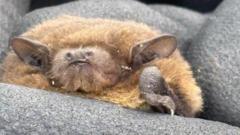
Spotting a rare breeding bat roosting near a local reservoir isn't just a lucky break for wildlife photographers. It forces local authorities and conservationists to rethink how artificial water bodies shape urban ecology. When rare species choose man-made structures or adjacent habitats for maternity colonies, it proves that engineered landscapes can double as vital ecological sanctuaries.
Reservoirs offer an abundance of aquatic insects like midges, caddisflies, and mosquitoes. For nursing female bats requiring massive daily caloric intake, this high-density food supply is a lifeline. If you are tracking local conservation efforts, you need to understand why these water-adjacent zones matter so much.
Why Reservoirs Draw Rare Breeding Bats
Water bodies attract bugs. Bats follow the bugs. It sounds simple, but the mechanics of reservoir ecosystems create specialized microclimates that rare species rely on.
Still water combined with nearby mature trees, bridges, or stone infrastructure creates prime real estate. Species like Daubenton's bats or rarer pipistrelles frequently exploit these corridors. They skim the surface, drinking mid-flight and vacuuming up hundreds of insects an hour.
When a maternity roost sets up shop near a reservoir, it means a few specific environmental boxes are checked:
- Minimal artificial light pollution disrupting flight paths.
- Unpolluted water supporting massive aquatic insect larvae cycles.
- Safe, undisturbed crevices in nearby structures or old growth for daytime shelter.
The Real Threat to Reservoir Roosts
Most people assume protected areas are safe from human interference. They aren't. Reservoirs are multi-use spaces. They draw anglers, hikers, and water-sports enthusiasts.
Human foot traffic near roost sites during the breeding season spells disaster. Mother bats startled during daylight hours can drop their pups or abandon the roost entirely. Noise pollution from maintenance equipment and recreational boats further scrambles echolocation tracking and stresses the colony.
Local councils often rush to trim shoreline vegetation for aesthetic reasons or flood control. That brush clearance destroys the exact commuting corridors and foraging lines bats need to navigate safely in the dark.
How to Protect Local Bat Populations
If you live near a reservoir or manage local green spaces, you can take concrete steps to protect these mammals. Stop treating dead trees as hazards immediately. Standing deadwood provides natural roosting cavities that artificial boxes can't always replicate.
Support dark-sky lighting initiatives around water perimeters. Even a single unshielded floodlight on a dam or walking path can block bats from accessing their feeding grounds. Leave buffer zones of wild, unmanaged vegetation along the water edge to maintain insect populations.
When local groups discover a rare breeding colony, the priority must shift toward quiet observation and habitat preservation rather than public spectacle. Keep your distance, report findings to local wildlife trusts, and let the ecosystem do its job.