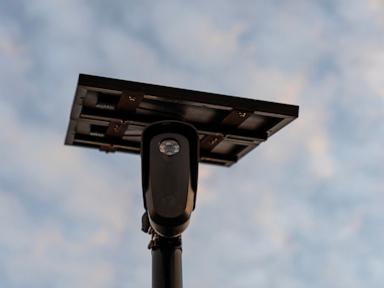
You drive past a neighborhood intersection, and a sleek, dark black device sits mounted behind a speed limit sign. It doesn't look like much. But that piece of hardware logs every single license plate, bumper sticker, and make of car passing underneath it.
Across the country, automated license plate readers manufactured by Flock Safety have quietly blanketed thousands of municipalities. Law enforcement agencies champion them as an essential tool for solving property thefts and locating missing persons. Voters, however, are pushing back hard.
With the midterm elections approaching, these AI-powered cameras have transformed from a background municipal utility into a fierce partisan battlefield. Candidates from both sides of the aisle are finding that tech corporate influence and constant digital tracking strike a raw nerve with the electorate.
The Anatomy of a Surveillance Backlash
How did hardware meant for catching car thieves become public enemy number one for privacy advocates? It comes down to scale.
Flock Safety operates in roughly 6,000 communities, spanning nearly every state. Their networks don't just snap a photo when a crime occurs. They continuously build searchable, historical databases of everyday civilian movements.
When software engineers and everyday motorists realized the sheer volume of data being archived, grassroots resistance sparked up overnight. Projects like DeFlock started mapping these devices crowdsourcing style, exposing just how pervasive tracking infrastructure had become without public debate.
Voters aren't just worried about local police oversight. They're balking at the invisible expansion of tech companies acting as private arbiters of public safety infrastructure.
Campaign Trails Turn Hostile
Politicians smell the shift in the wind. The debate over automated readers is blowing clean through traditional political alignments. You see high-profile candidates taking dramatic stances to capture voter anxiety.
In Pennsylvania, prominent gubernatorial figures have lined up to support outright statewide bans on the technology, citing massive privacy intrusions. In Wisconsin, local executive decisions limiting deployment are taking center stage as candidates trade blows over past support for digital monitoring tools.
Critics point to documented instances of law enforcement officers abusing these databases to track personal acquaintances. Defenders counter that restricting the networks ties the hands of investigators during violent crimes. But nuance gets lost when voters feel watched every time they leave their driveways.
When Cities Try to Opt Out
The friction doesn't stop at campaign speeches. Several municipalities have voted to cancel their contracts with Flock, only to discover untangling digital surveillance is harder than signing up for it.
In towns across Wisconsin, Ohio, and Illinois, canceled cameras lingered on poles for months. Frustrated residents resorted to strapping garbage bags over the lenses themselves after companies failed to collect hardware promptly. This physical retaliation highlights a deep breakdown in trust between communities and private tech contractors.
If you want to understand where public sentiment is heading, look at how fast infrastructure contracts are becoming political liabilities. Privacy isn't a niche academic talking point anymore. It's driving ballot box decisions.
Check your local municipal agendas and find out what contracts your police department holds with private data firms. Push your representatives for strict data retention limits, regular audits, and warrant requirements before another lens goes up on your street corner.
Flock camera debate emerges as issue in Texas governor's race
This video highlights how automated license plate reader controversies and public privacy concerns are taking center stage in state-level political campaigns.
http://googleusercontent.com/youtube_content/1