Ink dries quickly on resignation letters, but the silence they leave behind echoes for miles.
Consider the modern political office. It smells of stale carpet, cold coffee, and the faint, persistent panic of people who realize they are standing on shifting sand. Outside, the rain falls in sheets against the glass, blurring the skyline of British Columbia into gray smudges. Inside, doors close. Desks are cleared. Phones buzz with messages that go unanswered.
Politics is supposed to be an exercise in addition. You build a coalition. You gather allies. You stitch together disparate factions until you have something large enough to hold power, or at least large enough to command attention. But sometimes, the math breaks. Sometimes, the act of gathering is actually an act of expulsion.
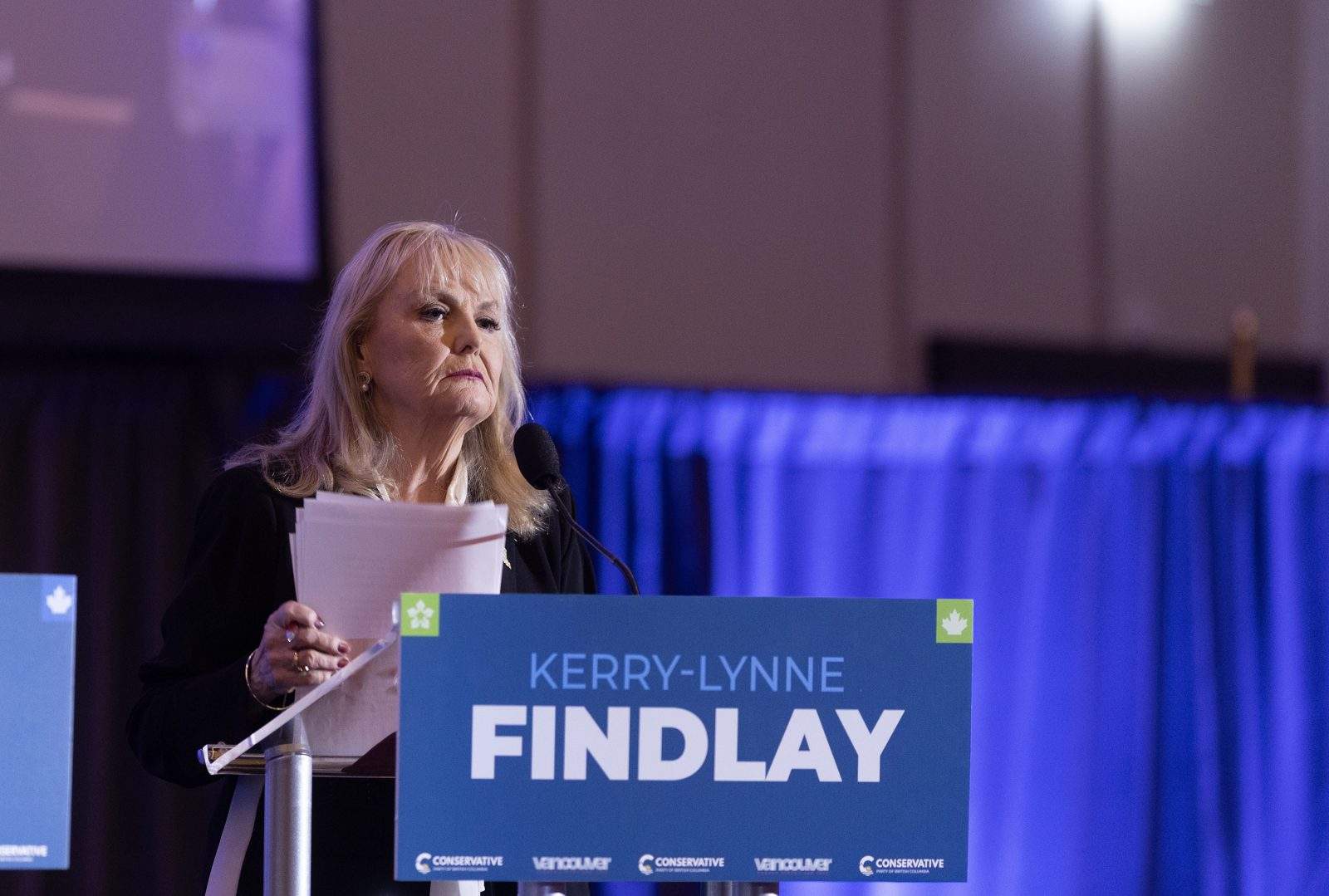
Two more British Columbia Conservatives packed their things and walked out of the caucus room. Just like that. No grand theater, no shouting match that spilled into the hallway. Just a quiet, devastating departure born from a singular friction point: the hiring choices made by House Leader Brent Findlay.
Specific appointments matter. They are not merely administrative checkboxes; they are gravitational forces. When you bring staff into the inner sanctum who carry the ideological baggage of Alberta separatism, you are not just filling a vacancy. You are sending a signal. You are broadcasting a frequency that rattles the nerves of anyone trying to sell a different kind of future to voters who care deeply about the integrity of their own province.
Let us be entirely clear about what is happening beneath the surface. British Columbia is not Alberta. The political topography here is jagged, shaped by different anxieties, different economies, and a deeply ingrained skepticism toward any movement that treats provincial borders as inconveniences to be dismantled. To import the rhetoric or the personnel of western alienation into a BC conservative party trying to present itself as a credible, broad-tent government in waiting is political arson.
And the MLAs caught in the middle know it.
Imagine sitting at a long wooden table, staring at a budget spreadsheet or a strategy memo, while the person sitting across from you represents an ideology you spent years assuring your constituents you had nothing to do with. You look at the staff directory. You see names tied to movements that want to sever ties, rewrite constitutions, and blow up the federation for parts. You ask for an explanation. You receive a shrug, or worse, a defense.
Then comes the moment of choice.
Do you stay and swallow the poison, convincing yourself that you can change the party from the inside? Or do you walk away, knowing that your departure will be weaponized against you, spun by party loyalists as disloyalty, ambition, or weakness?
They walked.
There is a profound human cost to these fractures. Politics attracts optimists—people who genuinely believe that policy can change lives, that debate matters, and that institutions can be steered toward better outcomes. But it also grinds those optimists into dust. When a party begins to eat its own ideological extremities, the center does not hold. It collapses inward.
The rationale behind Findlay’s hirings remains defended by leadership as pragmatic, or perhaps overlooked as mere staffing. But politics is the art of perception made manifest. If you hire someone whose entire political identity is wrapped up in an Alberta-centric separation narrative, you are telling the public that you are comfortable importing foreign ideological crusades into a provincial jurisdiction. Voters smell the contradiction instantly. They do not need a political science degree to understand when a house is divided against itself.
Watch the reaction ripple across social media and talk radio. The defenders of the leadership try to minimize the damage. They use words like "distraction" and "internal matters." They act as though the departure of sitting legislators is equivalent to a minor scheduling error. But denial is a poor substitute for a strategy.
When legislators resign over staffing choices, it means the trust has ruptured at the molecular level. Trust is like antique glass; once it shatters, no amount of careful pressing can make the seams disappear. You can glue it back together, but everyone in the room can see where the cracks run.
The public often views politicians as calculating monoliths, immune to doubt or emotional exhaustion. We forget that they are human beings navigating a chaotic ecosystem of competing pressures. They have families who read the headlines at the breakfast table. They have constituents who corner them at grocery store checkout lines demanding to know what on earth is going on behind closed doors.
When the internal culture of a party becomes unrecognizable, the exit doors look remarkably inviting.
What happens next is a scramble for narrative control. The party will attempt to frame the departing members as outliers, as people who couldn't handle the heat of a growing movement. The departed members will try to warn anyone who will listen that the foundation is cracking under the weight of imported dogma.
Meanwhile, the rain keeps falling on the glass outside the legislative offices. The coffee grows cold in the pot. The empty desks remain empty, waiting for someone else to sit in them, unaware that the chair itself is already balanced on the edge of a cliff.