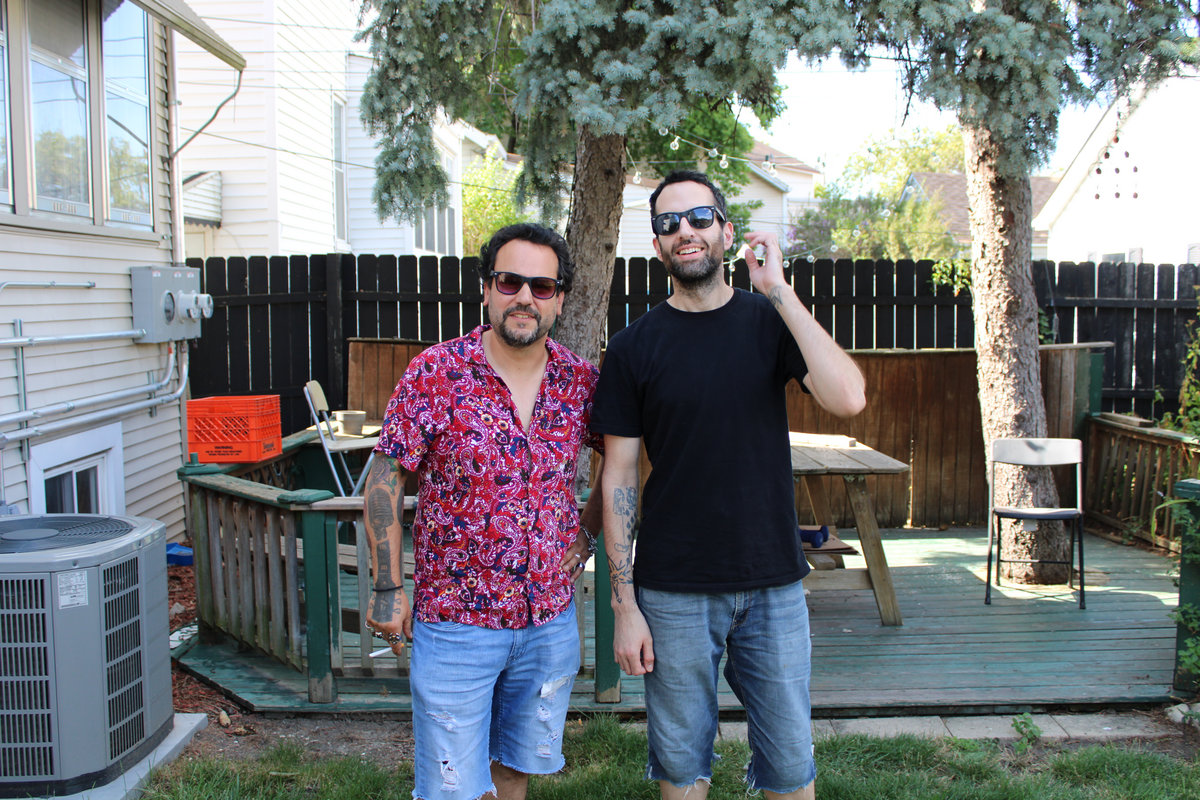
Bashir Biazar is back in Tehran. The cameras caught the flower wreaths, the hugs, and the predictable rhetoric of a "victorious" return against Western "oppression."
The mainstream press is playing its usual role. They treat this like a simple legal tug-of-war or a human rights footnote. One side screams "arbitrary detention," the other whispers "national security." They are both missing the point. This wasn’t a failure of French diplomacy or a triumph for Iranian sovereignty. It was a masterclass in how modern states use administrative deportation as a weapon of political theater because they are too weak to use their own courts.
Stop looking at this as a free speech issue. It’s a jurisdictional shell game.
The Administrative Deportation Loophole
When France detained Biazar—a former official for Iranian state media—they didn’t charge him with a crime. They didn’t put him in front of a jury to prove he was inciting violence or spreading state-sponsored propaganda. Instead, they leaned on "administrative detention."
This is the coward’s way out for a modern democracy. By labeling someone a "threat to public order" without a criminal conviction, a state bypasses the burden of proof. It’s a convenient shortcut. If you can’t prove a crime, you simply revoke the welcome mat.
The "lazy consensus" here suggests France overstepped its bounds on free speech. That’s a fundamental misunderstanding of how European internal security actually functions. The French Ministry of the Interior wasn’t offended by Biazar’s pro-Palestine tweets; they were terrified of the network effects he represented. But because they couldn't tie him to a specific conspiracy that would hold up in a high-court criminal trial, they used the blunt instrument of immigration law.
It’s a pattern I’ve seen play out across the EU. Governments are increasingly using residency status as a proxy for criminal law. It creates a tier of "conditional" humans who have rights—until their social media feed makes a bureaucrat nervous.
The Martyrdom Industrial Complex
Tehran loves this. Every time a Western nation uses administrative shortcuts to silence a vocal supporter of the Islamic Republic, they hand a PR win to the IRGC.
Biazar’s return isn't a "homecoming" for a private citizen; it’s a victory lap for a state-sanctioned narrative. By detaining him without a clear, public trial, France allowed him to wrap himself in the flag of a martyr. They turned a mid-level media operative into a symbol of "Western hypocrisy."
If you want to dismantle influence operations, you don't do it in the dark of a detention center. You do it in an open courtroom where evidence can be shredded. By choosing the quiet path of deportation, France admitted they didn't have the stomach for a real fight. They wanted the problem gone, but they didn't want the scrutiny of a trial.
The Sovereignty Illusion
People ask: "Can France just kick people out for their opinions?"
The answer is a brutal "Yes," but with a caveat. Every nation-state retains the "right" to exclude non-citizens for almost any reason. However, doing so reveals a profound insecurity. A confident democracy ignores the noise. A fragile one arrests the source of the noise.
France is currently caught in a vice. On one side, they have a massive, restive population demanding action on Gaza. On the other, they have a state apparatus terrified of "foreign interference." By targeting Biazar, they attempted to signal "strength" to their domestic base. Instead, they signaled "paranoia" to the rest of the world.
The Intelligence Trade-Off
Let’s talk about what actually happened behind the scenes. In these cases, detention is rarely about the tweets. It’s about the leverage.
For months, European countries have been engaged in a shadow war of hostage diplomacy with Iran. You hold our academic; we hold your media guy. You release our "tourist"; we release your "businessman." This isn't law. It's bartering with human lives.
The tragedy of the Biazar case is that it reinforces the idea that law is flexible for the state but rigid for the individual. If France truly believed Biazar was a threat to national security, letting him go back to Tehran does nothing to neutralize that threat. It just moves the threat back to a safe harbor where he can operate with even more "street cred."
Why the "Free Speech" Argument is a Distraction
Most analysts are arguing whether Biazar’s comments were "hate speech" or "political expression." This is the wrong question.
The real question is: Why are we allowing administrative bodies to replace the judiciary?
When we focus on the content of the speech, we accept the premise that the state has the right to judge it. We should be focused on the process. A system that can deport you for a tweet without a trial is a system that has given up on its own values.
I have seen this movie before. A state gets spooked by a geopolitical shift, grabs a few high-profile targets to look busy, and then quietly trades them away when the heat gets too high. It’s a cycle of performative justice that serves no one but the politicians.
Stop Falling for the Narrative
If you think Biazar is a victim, you’re being naive. He is a sophisticated actor in a global information war. If you think France is "protecting democracy," you’re being delusional. They are protecting their own bureaucratic convenience.
The Biazar case isn't a story about human rights or international law. It’s a story about the death of the rule of law in favor of the rule of the border agent. It’s a warning that in the age of digital warfare, the first thing to go isn't your right to speak—it’s your right to a fair trial.
France didn't "release" Biazar. They surrendered the moral high ground for the sake of an empty jail cell.
The flowers in Tehran will wilt. The precedent France set will not.