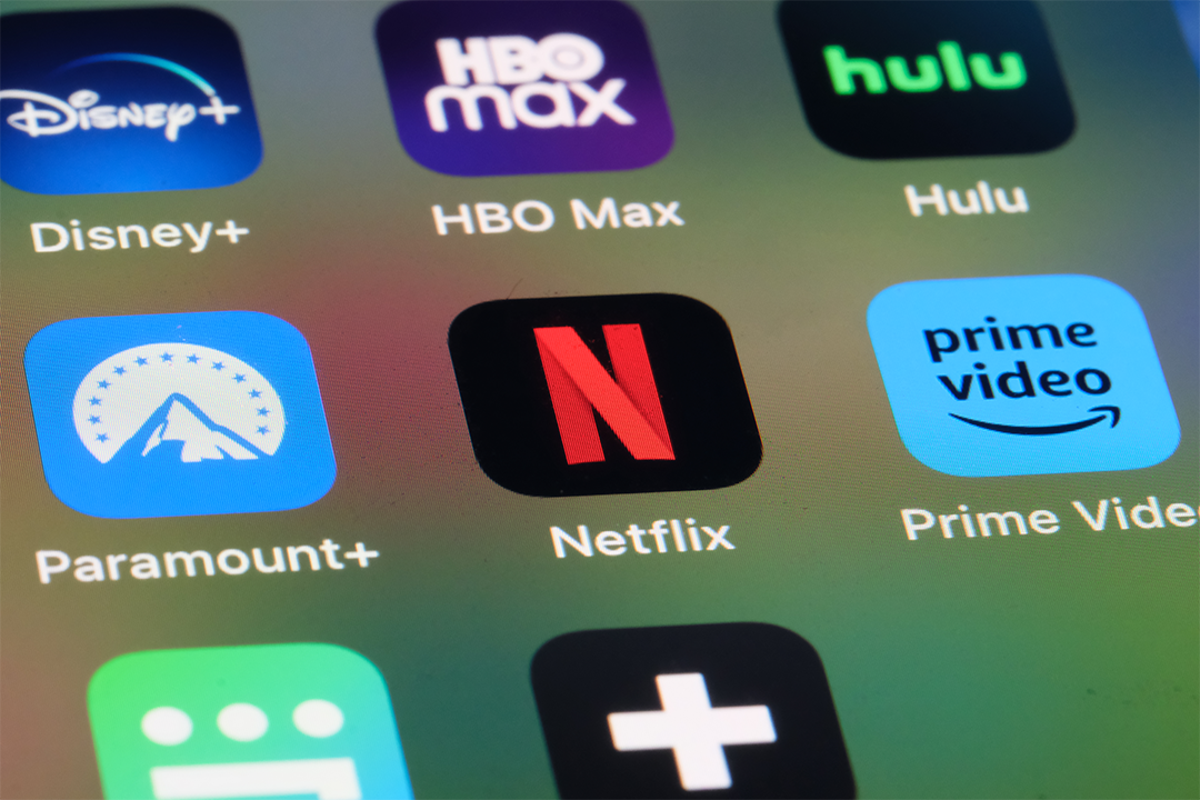
Gen Z doesn't care about your platform. They care about the show. If you think a shiny interface or a massive library keeps twenty-somethings paying $20 a month, you're dreaming. A recent study by Deloitte found that over half of Gen Z and Millennial consumers have cancelled and then renewed a streaming service within a six-month period. They aren't "subscribers" in the traditional sense. They’re digital nomads who follow the heat.
This behavior, often called "churn and return," is a direct response to a fractured market. When Netflix held the keys to everything, staying was easy. Now? Disney has Marvel. HBO (or Max, or whatever they'll call it next week) has the prestige dramas. Apple TV+ has the high-budget sci-fi. If you want to watch The Last of Us, you pay for a month of Max, binge it, and cut the cord before the next billing cycle hits. It’s efficient. It’s ruthless. And it’s the only way to manage a budget when every media giant wants a piece of your paycheck.
The One Title Trap
The data is clear. More than half of Gen Z users renew and cancel streaming services just for one title. This isn't just about being cheap. It’s about a fundamental shift in how value is perceived. To a 22-year-old, a streaming service isn't a utility like water or electricity. It's a ticket to a specific event. Once the event is over, they leave the stadium.
I’ve seen this play out with every major release. When Stranger Things drops, Netflix sees a massive spike in reactivations. Three weeks later? A cliff-dive in retention. This puts platforms in a desperate spot. They’re spending billions on content to lure people in, but they haven't figured out how to make them stay once the credits roll. The "one title" phenomenon proves that "content is king" was only half the story. The other half is that the crown is temporary.
Why Price Hikes are Backfiring
Streamers keep raising prices. They’re trying to squeeze more revenue out of a stagnant user base. But for Gen Z, a price hike is just a louder signal to hit the "Cancel Subscription" button. When a service jumps from $12.99 to $18.99, the mental math changes. Suddenly, you aren't paying for a library. You’re paying a premium for that one show you actually watch.
If the cost of three months of a service equals the price of a video game or a concert ticket, the choice is easy. Gen Z is incredibly price-sensitive but value-driven. They’ll pay for quality, but they won't pay for "filler." This is why ad-supported tiers are growing. It’s a compromise. Give us the show for $7 and some commercials, or we’re out.
Social Media is the Real Discovery Engine
How does a Gen Z viewer even decide to "churn and return" for a specific show? It isn't through a billboard. It isn't a TV commercial. It's TikTok.
Algorithm-driven discovery means that if a show like Euphoria or The Bear goes viral, it hits everyone’s feed at once. This creates a massive, temporary cultural moment. You have to watch it now to be part of the conversation. This "FOMO" economy drives the renewal. But the moment the memes stop, the perceived value of the subscription vanishes.
Streaming executives are trying to fight this by returning to weekly release schedules. They want to stretch that one month of subscription into two or three. It’s a smart move, but users are catching on. Many just wait until the season finale is live, buy one month, and watch the whole thing in a weekend. You can’t out-program a generation that grew up with the entire internet at their fingertips.
The Problem With Library Depth
Platforms love to brag about having 10,000 hours of content. Gen Z doesn't care. To them, a deep library often feels like a digital graveyard of stuff they’ll never watch. They want the "New and Hot" tab. The irony is that the more content a platform adds, the harder it becomes to find something good, leading to "decision fatigue."
When a user spends 20 minutes scrolling and doesn't click "Play," they’re one step closer to canceling. The study highlights that younger viewers find it increasingly difficult to discover content on these platforms compared to social media or YouTube. If the UI is a chore, the subscription is a burden.
Gaming and Social Video are Winning the Attention War
We have to look at what Gen Z is doing instead of watching TV. They’re on Fortnite. They’re watching streamers on Twitch. They’re losing hours to the TikTok scroll.
Streaming services aren't just competing with each other. They’re competing with interactive media. A Netflix show is a passive experience. Gaming is active. For many younger users, paying for a Battle Pass in a game feels like a better investment than a streaming sub. The game offers hundreds of hours of social interaction. The show offers ten hours of sitting on a couch.
This shift is why we see Netflix trying to break into gaming. They know the current model is leaking. If they can’t keep you with movies, maybe they can keep you with mobile games tied to those movies. It’s a Hail Mary, but it’s a necessary one.
The Rise of the Bundle
We’re moving backward. The industry is slowly recreating the cable package through "digital bundles." You see it with Disney+, Hulu, and ESPN+. You see it with streamers being offered for free with phone plans or credit cards.
This is the industry’s only real defense against the "one title" cancelation habit. If you get the service "free" with your Verizon bill, you don't bother to cancel it. You might not even use it, but you aren't a churn statistic. For the platforms, this is a win for their stock price, even if the average revenue per user is lower.
How to Win Back Gen Z
If you’re a creator or a platform lead, stop thinking about loyalty. It doesn't exist here. Instead, focus on these realities.
- Make the first episode free. Don't hide everything behind a paywall. If the "one title" is the hook, let them taste it on YouTube or TikTok first.
- Invest in "Community" over "Content." Shows that have an active, obsessive fanbase (like Yellowjackets or Succession) perform better because the social cost of not watching is high.
- Simplify the exit. It sounds counterintuitive, but making it easy to cancel and return builds trust. If you trap a user, they’ll never come back out of spite.
- Focus on the "Social Sync." Features that allow friends to watch together or share clips easily are what Gen Z actually wants.
The era of the "set it and forget it" subscription is over. We’re in the era of the "seasonal" viewer. They’re smart, they’re broke, and they have zero patience for a bad deal. If you want their money, you have to earn it every single month. Otherwise, they'll see you again in two years when the next season drops.
Check your own subscriptions right now. Look at your bank statement from the last three months. How many of those services did you actually use more than twice? If the answer is "none," you’re already part of the trend. Cancel the ones that aren't serving you today. You can always come back when something good actually happens.