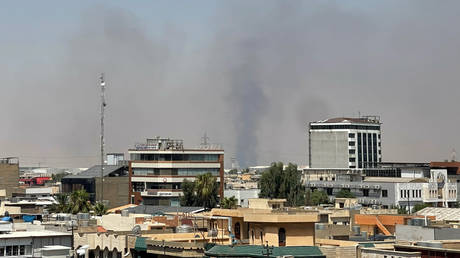
Commercial shipping through active maritime war zones operates under an existential contradiction: global supply chains demand continuous passage, yet civilian hulls possess zero defensive counter-measures against modern precision weaponry. The fatal targeting of the commercial vessel MV Omorfi on July 18, 2026, in Black Sea transit—resulting in the death of an Indian seafarer—highlights a rapid systemic failure in maritime security protocols across the region. This incident, followed within 24 hours by a strike on the MV Golden Leo off Odesa that killed four additional Indian nationals, marks a sharp transition from collateral operational friction to targeted operational exposure for global crews.
Analyzing the mechanics of this casualty requires dismantling the multi-layered failure chain across geopolitical, structural, and contractual dimensions.
The Triad of Vulnerability in Black Sea Transit
The systemic vulnerability of merchant shipping in contested maritime domains rests upon three structural pillars:
Flag-of-Convenience Governance Gaps: Vessels operating under flag-of-convenience registries often lack direct naval protection from their flag states. When navigating contested littoral zones—such as Russian territorial waters or Ukrainian approaches—these ships exist in a jurisdictional void where sovereign intervention occurs only ex post facto through diplomatic statements rather than real-time escort operations.
Asymmetric Threat Vectors: Modern anti-ship munitions, uncrewed surface vessels (USVs), and stray sea mines do not distinguish between combatant warships and civilian bulk carriers. A civilian vessel's radar cross-section makes it an immediate target for automated or low-yield strike systems operating in weapon engagement zones without strict visual target identification.
Crew Composition and Arbitrage: Global maritime labor supply relies heavily on seafarers from developing nations. Out of the ten crew members aboard the MV Omorfi, three were Indian nationals; similarly, the MV Golden Leo carried five Indian crew members among its 17-person staff. This human capital arbitrage places crews from non-belligerent nations directly inside active combat theaters without sovereign military safeguards.
The Economic Mechanics of War Risk Premiums
When kinetic strikes occur within a transit corridor, the immediate operational consequence is a structural surge in the war risk insurance premium (WRIP). Merchant vessels entering designated high-risk areas pay a additional premium calculated as a percentage of the vessel's hull and machinery (H&M) value.
The cost function of operating within these zones scales exponentially as casualty events cluster:
$$\text{Total Voyage Cost} = \text{Base Charter Rate} + \text{Fuel (LSFO)} + \text{H&M Base Insurance} + \left( \text{Vessel Value} \times \text{WRIP Rate} \right) + \text{Crew Hazard Pay}$$
Prior to kinetic escalation, WRIP rates in the Black Sea fluctuated between 0.1% and 0.25% of ship value for a standard seven-day window. Following consecutive lethal strikes on civilian hulls within a 48-hour window, underwriters recalculate probability metrics, driving WRIP rates beyond 0.75% to 1.0%. For a Panamax bulk carrier valued at $30 million, a 1% WRIP adds $300,000 per transit in fixed overhead.
This cost expansion creates a bifurcated fleet ecosystem:
- Tier-1 Operators: Large corporate fleets pull vessels entirely from high-risk corridors to avoid uninsurable liabilities and reputation risk.
- Tier-2/3 Shadow Operators: Smaller, less-capitalized owners absorb the elevated risk in exchange for premium freight rates, frequently operating with minimal safety buffers and under-insured personnel.
Diplomatic Condemnation vs. Operational Realities
Diplomatic responses from nations providing maritime labor follow a predictable, structured pattern. Statements issued by the Ministry of External Affairs (MEA) emphasizing "freedom of navigation" and "uninterrupted flow of global commerce" function as essential sovereign signaling. However, diplomatic condemnation fails to alter the operational realities on the water for three structural reasons:
- Non-Belligerent Leverage Limits: Neutral nations whose citizens serve on foreign-flagged ships hold limited direct operational leverage over combatants operating within their own sovereign or disputed territorial waters.
- Absence of Escort Architecture: Unlike Operation Prosperity Guardian in the Red Sea, no multilateral naval task force exists in the Black Sea to provide active air defense or point-defense coverage for neutral commercial hulls.
- The Limitations of Maritime Law: Article 87 of the UN Convention on the Law of the Sea (UNCLOS) guarantees freedom of high seas navigation, but international legal frameworks provide zero physical deterrent against kinetic strikes in active war zones.
The Strategic Shift Required for Crew Protection
Mitigating civilian maritime casualties in active conflict zones requires moving beyond retroactive diplomatic protests toward structural risk management. Maritime labor organizations, vessel owners, and manning agencies must execute a four-point operational playbook:
Mandatory Area Banning: International maritime bodies must update standard seafarer contracts to grant automatic, penalty-free refusal rights for crews when a transit corridor records lethal civilian strikes within a rolling 14-day window.
Real-Time ISR Integration: Ship operators navigating contested corridors must integrate real-time intelligence, surveillance, and reconnaissance (ISR) tracking feeds from commercial maritime security firms rather than relying solely on official nav-area warnings (NAVAREA), which often lag tactical developments by several hours.
Mandated War Risk Bonuses and Direct Line Insurance: Manning agencies must enforce mandatory $250,000+ non-contributory life and disability coverage per seafarer entering designated combat zones, underwritten directly by primary charterers rather than secondary registries.
Transitional Routing: Logistics managers must re-route critical cargo through overland intermodal networks (e.g., rail and river barge via Danube corridors) wherever littoral risk thresholds cross defined casualty benchmarks, accepting higher transit times to preserve human capital and hull integrity.
Shipowners and cargo charterers must instantly trigger clause-level safe port declarations and initiate alternative routing strategies away from Northern and Eastern Black Sea transit lanes; continuing to run civilian crews through active kinetic engagement zones without direct naval support is no longer a calculated operational risk, but a guaranteed failure of fiduciary and human management.