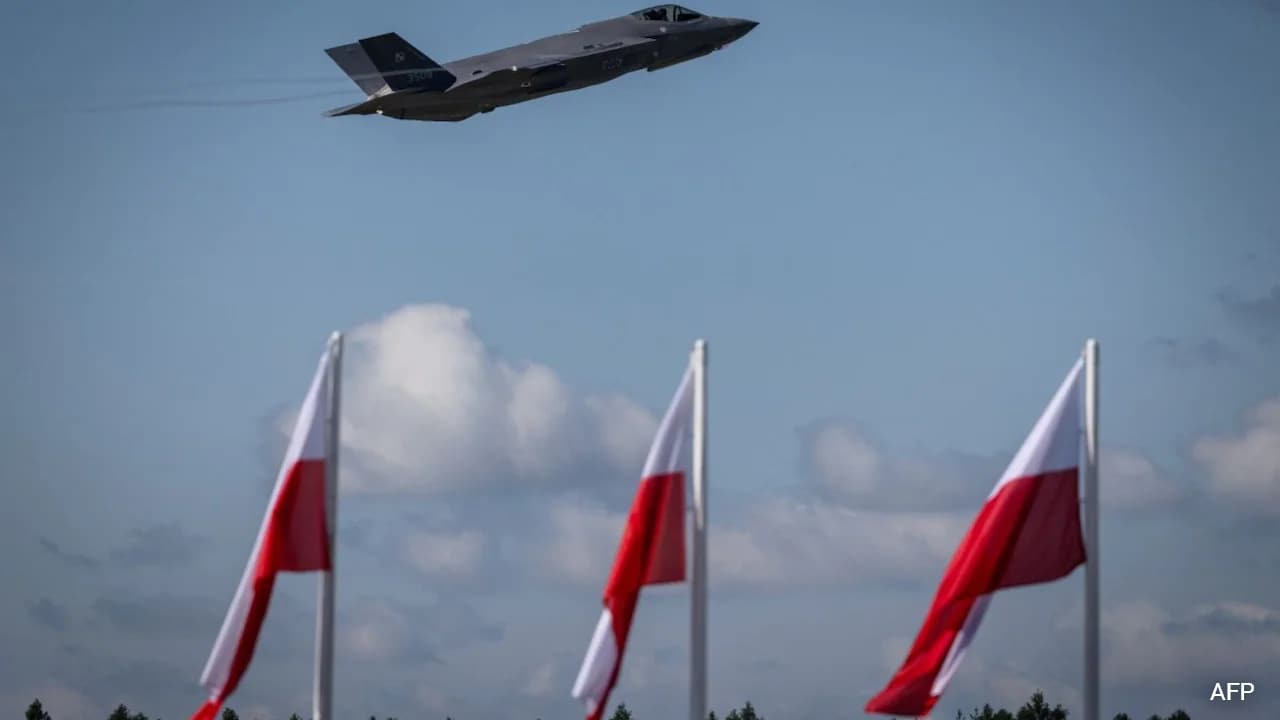
The strategic architecture of Central and Eastern Europe rests on a shifting equilibrium between rotational deterrence and permanent infrastructure. Recent diplomatic maneuvers by Warsaw to formalize a permanent United States military installation require stripping away political rhetoric to examine the raw mechanics of force projection, logistical friction, and alliance burden-sharing. Evaluating this initiative demands a breakdown of the structural trade-offs governing forward-deployed defense assets along the North Atlantic Treaty Organization eastern flank.
The Three Vectors of Strategic Friction
1. Rotational Versus Permanent Force Economics
Current defense posture relies heavily on heel-to-toe rotational deployments, such as Armored Brigade Combat Teams operating under Operation Atlantic Resolve. Rotational models provide operational flexibility for the Pentagon, allowing force adjustments without treaty-level revisions or long-term family support footprints. However, rotational models suffer from high transit overhead, equipment wear-and-tear during transfer phases, and diminished institutional memory at local command nodes.
A permanent garrison alters this economic formula. By anchoring a permanent command structure—similar to the permanent U.S. Army Garrison Poland established to oversee forward outposts—the alliance trades flexibility for institutional permanence. Warsaw has signaled a willingness to subsidize the capital expenditure, echoing historical infrastructure cost-sharing proposals. Yet, the recurring operational maintenance, force protection mandates, and supply chain security introduce long-term fiscal commitments that outlive short-term political alignment.
2. Proximity and Escalation Dynamics
Geography dictates the operational calculus. Positioned adjacent to both the Kaliningrad exclave and the active conflict zone in Ukraine, Polish territory compresses warning times for theater-level missile defense and mechanized engagement.
Advocates argue that embedding permanent combat capability directly within striking distance of potential flashpoints maximizes credibility, leaving no ambiguity regarding American tripwire commitments. Critics contend that fixed, high-value permanent installations become pre-targeted nodes in modern long-range precision strike architectures. The trade-off centers on deterrence signaling versus target concentration. A permanent base anchors deterrence by raising the immediate cost of aggression, but it simultaneously increases the vulnerability of fixed assets to asymmetric electronic warfare, GPS disruption, and standoff munitions.
3. Alliance Cohesion and Burden Distribution
Intra-alliance friction remains a primary variable in evaluating permanent basing requests. Transatlantic burden-sharing frameworks dictate that frontline states must demonstrate domestic commitment through high defense expenditure—metrics Poland exceeds by allocating a significant percentage of its gross domestic product to defense procurement and infrastructure hosting.
Bilateral transactional arrangements, while accelerating tactical execution, risk bypassing multilateral consensus mechanisms within the alliance structure. The strategic dilemma involves balancing regional state urgency with alliance-wide risk management. When frontline members lobby for fixed security guarantees, they export a portion of their sovereign risk to Washington, altering the collective risk calculus of the entire coalition.
Structural Limitations of Forward Basing
While hosting permanent American assets provides immediate psychological and tactical reassurance to Warsaw, structural constraints limit the universality of this defense model:
- Logistical Bottlenecks: Rapid reinforcement corridors depend on rail gauges, bridge load capacities, and port throughput efficiency across Western and Central Europe. Permanent garrisons require robust Joint Reception, Staging, Onward Movement, and Integration capabilities to avoid becoming isolated enclaves.
- Technological Evolution: Traditional heavy armored formations require extensive multi-layered air and missile defense coverage to survive modern drone and precision-strike complexes. Without continuous adaptation of counter-unmanned aerial systems and active defense shields, static bases risk obsolescence against asymmetric capabilities.
- Political Cyclicality: Dependence on bilateral executive agreements exposes long-term security architecture to shifts in domestic political leadership across both host and guarantor nations, creating strategic uncertainty during transitions.
Strategic Execution Framework
To transition from rotational dependency to a sustainable permanent framework without degrading regional stability, defense planners must optimize three operational variables:
- Prioritize Enclave Resilience: Direct capital investments toward dispersed logistics, hardened command bunkers, and redundant communications nodes rather than centralized mega-bases.
- Integrate Integrated Air Defense: Couple any permanent ground presence immediately with persistent, multi-layered air defense batteries to neutralize the anti-access/area-denial threat matrix inherent to the geographic sector.
- Institutionalize Multilateral Oversight: Anchor bilateral basing agreements firmly within regional command structures to ensure collective alliance backing, mitigating the risk of fragmented deterrence postures along the frontier.