The Multilateral Trap Wrapped in a Bilateral Bow
Global energy analysts love a good paper theory. When Moody's Investors Service suggests that major oil importers like India will smoothly insulate themselves from Middle Eastern turmoil by negotiating bilateral transit corridors with Iran, the market nods along. It sounds strategic. It sounds sovereign.
It is also completely disconnected from the brutal realities of hardware, high-seas enforcement, and capital allocation.
The narrative driving the consensus is simple: under pressure from shifting US sanctions, Red Sea disruptions, and unpredictable chokepoints, importing nations can simply bypass traditional multilateral frameworks. The idea is that by cutting bespoke, one-on-one deals with Tehran to secure trade routes through the Persian Gulf and the Gulf of Oman, countries can guarantee their own energy security.
This is a fundamental misunderstanding of how global logistics work. You cannot solve a hardware problem with a software solution. A transit corridor is not a piece of paper or a diplomatic handshake; it is a physical network of deep-water ports, railways, pipelines, and heavily guarded shipping lanes. Believing that bilateral diplomacy can magically secure these physical assets in a highly volatile theater is a fantasy that will cost energy importers billions.
The Geography Deficit: You Can’t Out-Negotiate the Strait of Hormuz
Let's look at the actual map. The core assumption of the "bilateral corridor" thesis is that a special agreement with Iran grants safe passage or alternative routing.
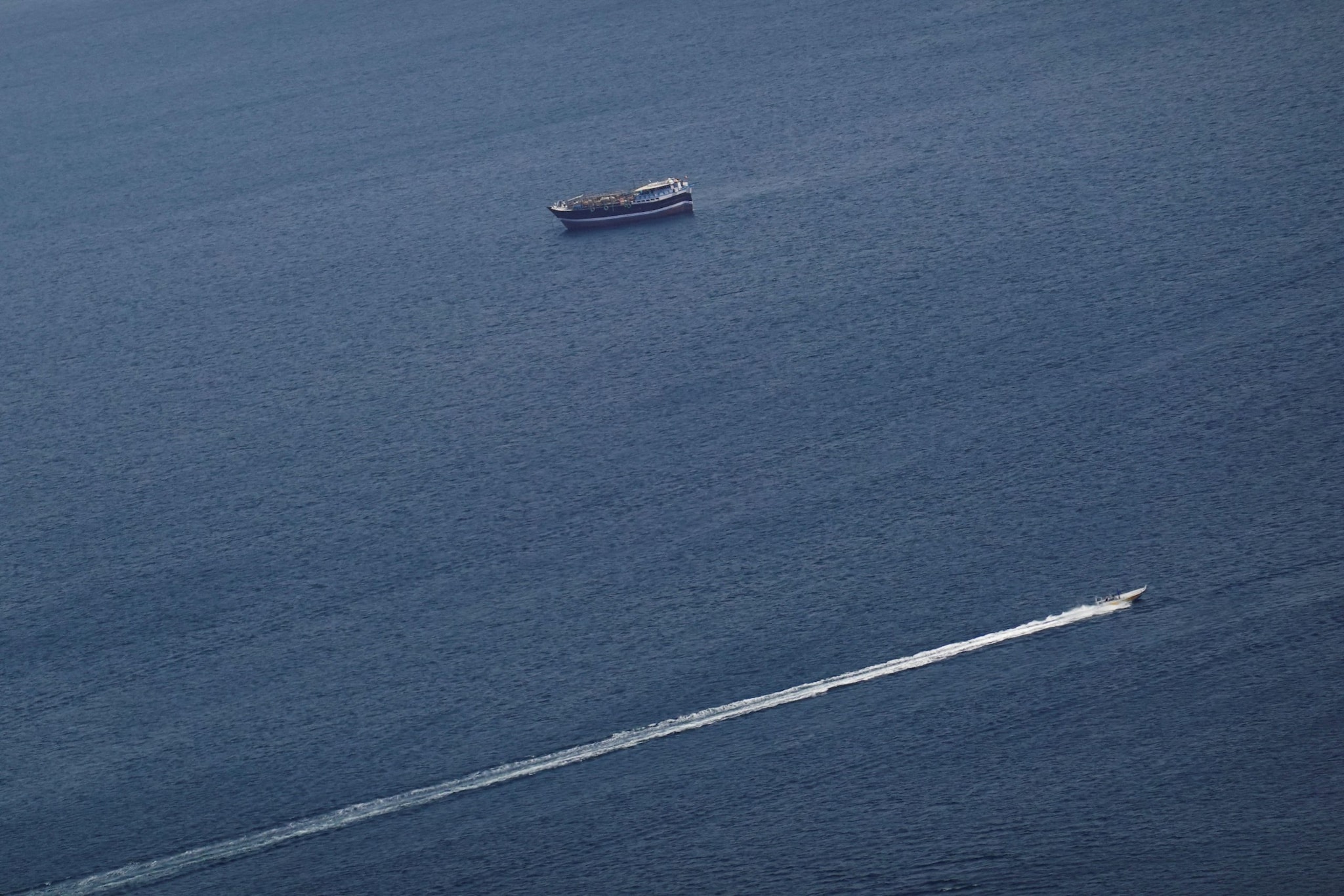
Consider the Strait of Hormuz. At its narrowest point, the shipping lanes consist of two-mile-wide channels for inbound and outbound traffic, separated by a two-mile-wide buffer zone. Iran’s Islamic Revolutionary Guard Corps Navy (IRGCN) operates heavily in these exact waters.
Here is the flaw in the bilateral logic:
- The Shared Chokepoint: The shipping lanes cross through the territorial waters of both Iran and Oman. A bilateral deal with Tehran does absolutely nothing to secure the Omani side of the ledger if a wider regional conflict erupts.
- The Escalation Problem: In a high-intensity conflict, naval warfare does not respect diplomatic carve-outs. If a state actor deploys anti-ship cruise missiles, smart sea mines, or loitering munitions, those weapons do not check the flag of a vessel or its bilateral credentials before impact.
- The Indiscriminate Mine Danger: Imagine a scenario where a sea mine breaks its moorings during a skirmish. A drifting mine has no diplomatic awareness. It will tear through the hull of an Indian crude carrier just as quickly as a European container ship.
To believe that a sovereign guarantee protects a commercial supertanker in a kinetic environment is naive. I have watched risk assessment teams dump millions into regional joint ventures based on political assurances, only to see their operations paralyzed the moment the first kinetic strike occurs. Warships and air defense systems protect trade routes, not bilateral memoranda of understanding.
The Insurance Dead-End: Why Lloyd's Doesn't Care About Diplomatic Handshakes
The lazy analysis focuses entirely on government-to-government agreements while ignoring the private actors who actually underwrite global trade. A sovereign state can sign whatever treaty it likes, but if commercial vessels cannot secure hull and machinery insurance or Protection and Indemnity (P&I) insurance, the ships do not sail.
The global marine insurance market is anchored firmly in Western financial hubs, primarily through the International Group of P&I Clubs in London. These clubs underwrite roughly 90% of the world’s ocean-going tonnage.
[Global P&I Insurance Market]
  └── International Group of P&I Clubs (London) ~90% of global tonnage
        └── Rigid compliance rules based on international sanctions
        └── Unmoved by bilateral political agreements
When a country enters a transit corridor agreement with a heavily sanctioned entity like Iran, the maritime insurance apparatus responds with immediate friction, not flexibility:
1. The Sanctions Contamination
Western insurers operate under strict legal frameworks. If a transit corridor involves Iranian infrastructure, ports operated by sanctioned entities (such as Tidewater Middle East Co.), or state-owned rail networks, the entire transit chain becomes radioactive. A bilateral agreement between New Delhi and Tehran cannot absolve a British or European insurer from violating secondary sanctions.
2. War Risk Surcharges
Insurers assess physical risk, not political intent. If a corridor passes through an active zone of geopolitical friction, underwriters will levy massive War Risk Additional Premiums (WRAPs). These surcharges can spike by thousands of percentage points in days, completely erasing any economic advantage gained from the "secure" corridor.
3. The Sovereign Insurance Alternative Illusion
Defenders of the bilateral model argue that importing nations can simply set up state-backed domestic insurance funds to cover their fleets. This ignores the concept of reinsurance. No single domestic insurance fund possesses the balance sheet depth required to absorb consecutive catastrophic losses—such as the total loss of multiple Very Large Crude Carriers (VLCCs) and their millions of barrels of oil—without devastating its own national treasury.
Infrastructure Bottlenecks: The Chabahar Reality Check
To make their case look viable, proponents of these corridors point to specific infrastructure projects, most notably the port of Chabahar in southeastern Iran. Developed with significant Indian investment, Chabahar is frequently framed as the ultimate gateway to bypass traditional chokepoints and link the Indian Ocean to Central Asia and Russia via the International North-South Transport Corridor (INSTC).
The reality of Chabahar is an exercise in chronic operational delay and structural friction.
| Metric / Feature | The Diplomatic Narrative | The Operational Reality |
|---|---|---|
| Port Throughput | Strategic megaport bypassing Pakistan | Severely underutilized due to lack of heavy gantry cranes and equipment |
| Hinterland Connectivity | Seamless rail links to Central Asia | Unfinished rail links, heavy reliance on inefficient trucking networks |
| Banking & Finance | Sanction-exempt humanitarian/trade hub | Indian banks routinely block transactions out of fear of secondary US sanctions |
I have analyzed supply chains that attempted to utilize these alternative routes. The friction is relentless. You are not dealing with a modern, high-throughput container system. You are dealing with bureaucratic customs delays, lack of standardized rail gauges across borders, and a shortage of rolling stock.
Moving goods or energy through a patchwork of authoritarian states requires every single nation along the line to maintain regulatory alignment, political stability, and physical security. The moment one link in the chain experiences an insurgency, a currency collapse, or a sudden policy shift, the entire corridor breaks down.
The Illusion of Hedging: Getting Stuck in the Middle
The most dangerous aspect of pursuing these bilateral transit corridors is the strategic vulnerability it creates for the importing nation. It is presented as a sophisticated hedge, but in practice, it forces a country into a structural alignment with a regime that is in perpetual confrontation with the architects of the global financial system.
When a state commits significant capital and diplomatic prestige to an Iranian transit corridor, it hands Tehran a powerful lever of counter-leverage. If the importing nation later needs to comply with a new round of international sanctions to protect its broader global trade, it faces an impossible choice: abandon its expensive new infrastructure corridor or face financial isolation from the West.
This is not a hedge; it is a trap. True energy security is not achieved by building bespoke pipelines and railways through geopolitical fault lines. It is achieved through diversification of supply, massive investments in strategic domestic reserves, and deep integration into liquid, transparent, and defensible global markets.
Stop treating diplomatic press releases from ratings agencies as actionable economic strategy. The bilateral transit corridor with Iran is an expensive, uninsurable detour to nowhere. Turn the ships around.