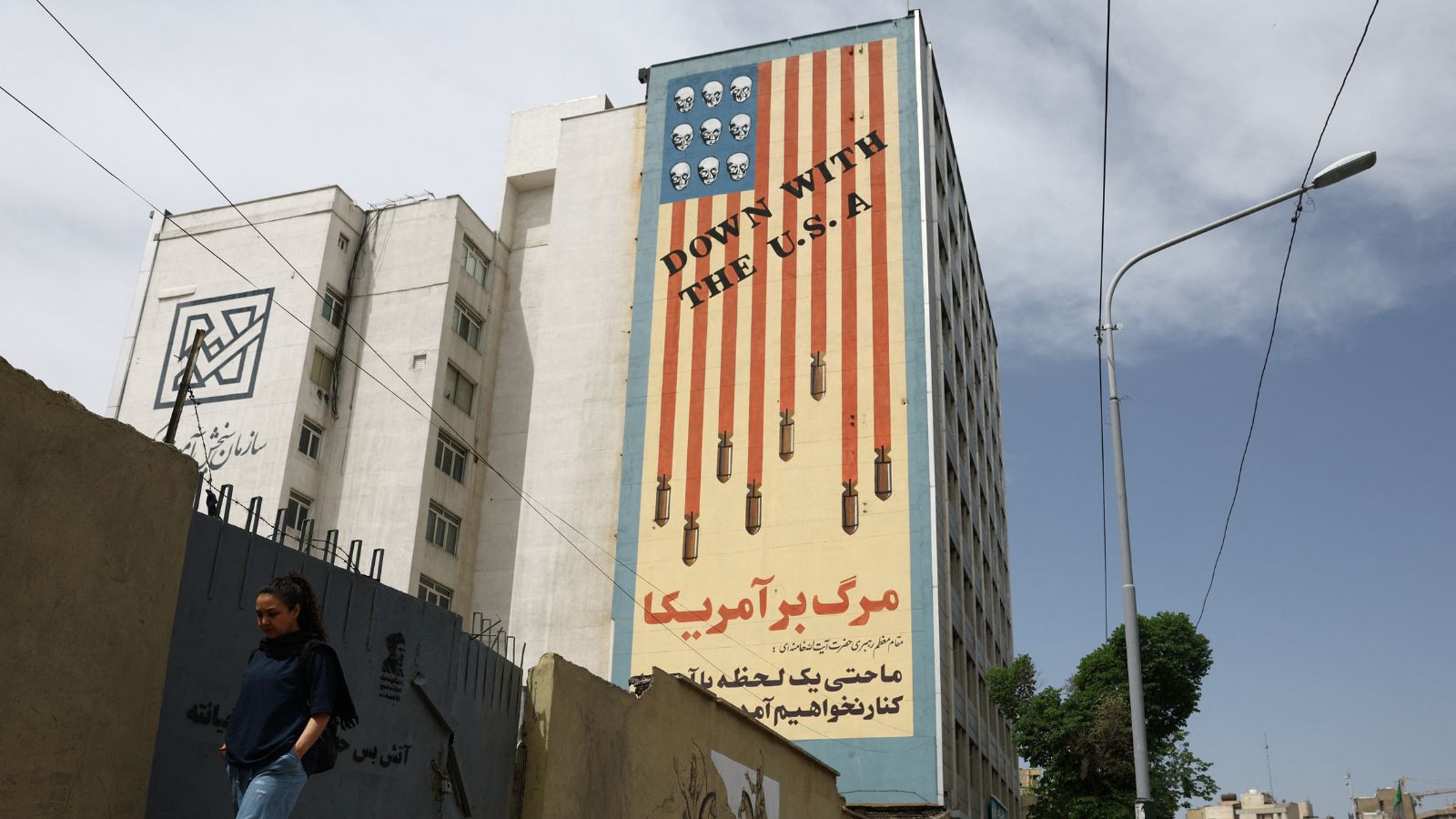
The current pause in direct military engagements between Iran and the United States represents a highly unstable equilibrium rather than a durable peace. This ceasefire functions under the constraints of a classic escalation game, where both actors seek to maximize political leverage without crossing the threshold into a high-intensity kinetic conflict. However, the geographic realities of the Strait of Hormuz and the domestic political vulnerabilities of regional partners like Bahrain create structural friction. These friction points constantly threaten to disrupt this equilibrium.
To evaluate the durability of this ceasefire, we must move past superficial diplomatic narratives and analyze the underlying operational mechanics. The strategic stability of the region depends on three interconnected variables: maritime chokepoint vulnerability, proxy-driven asymmetric pressure, and internal security dynamics within Gulf Cooperation Council (GCC) states. Read more on a related subject: this related article.
The Strategic Bottleneck: Strait of Hormuz Friction Dynamics
The Strait of Hormuz is the primary geographic leverage point in Persian Gulf security. Measuring just 21 miles wide at its narrowest point, with shipping lanes consisting of two-mile-wide channels for inbound and outbound traffic, the strait forces commercial and military vessels into predictable, highly restricted transit corridors.
Iran’s maritime strategy relies on asymmetric denial rather than blue-water dominance. This strategy operates through a specific cost-imposition formula designed to exploit the vulnerability of global energy supply chains. More analysis by TIME explores related views on this issue.
The Asymmetric Cost Function of Maritime Interdiction
Iran’s Islamic Revolutionary Guard Corps Navy (IRGCN) utilizes low-cost, high-impact tactical assets to counter superior US naval power. This operational posture can be understood through three primary vectors:
- Fast Attack Craft (FAC) and Fast Inshore Attack Craft (FIAC): Operating in swarms, these vessels utilize speed and maneuverability to harass commercial shipping and complicate the targeting matrices of larger warships.
- Anti-Ship Cruise Missiles (ASCMs) and Loitering Munitions: Positioned along Iran’s rugged coastline and on disputed islands like Abu Musa and the Greater and Lesser Tunbs, these systems provide redundant coverage over the entire width of the strait.
- Sub-Surface Operations: The deployment of midget submarines (such as the Ghadir-class) and unanchored naval mines introduces high structural risk to shipping insurance markets, driving up maritime freight rates without requiring active kinetic engagement.
The strategic goal of these assets is not to win a decisive naval battle, but to alter the risk-reward calculation for international shipping companies and their underwriters. By periodically raising the threat level in the strait, Tehran imposes an indirect economic tax on the global community, demonstrating its capacity to disrupt approximately 20% of the world's liquefied natural gas and petroleum consumption.
Proxy Warfare and the Dilemma of Escalation Control
The ceasefire between Washington and Tehran is structurally flawed because it attempts to decouple direct state-on-state kinetic actions from the broader ecosystem of proxy operations. Iran’s security architecture relies on the "Axis of Resistance," a decentralized network of non-state actors operating across Iraq, Syria, Yemen, and Lebanon.
The Principal-Agent Problem in Asymmetric Conflict
The relationship between Tehran (the principal) and its regional proxies (the agents) is not a simple top-down command structure. Instead, it operates under varying degrees of operational autonomy:
- Strategic Alignment: Tehran provides funding, advanced weaponry (such as GPS-guided rocket kits and unmanned aerial vehicles), and doctrinal training through the IRGC Quds Force.
- Tactical Autonomy: Local commanders often retain the authority to select specific targets and determine the timing of attacks based on localized political dynamics.
- Plausible Deniability: This decentralized execution allows Iran to pressure the United States and its allies while maintaining a layer of diplomatic insulation to prevent direct retaliation on Iranian soil.
This structure creates a dangerous escalatory feedback loop. A localized strike by a proxy group in Iraq or Syria, even if not explicitly ordered by Tehran, can cross a US red line. The United States is then forced to choose between a disproportionate kinetic response—which risks collapsing the ceasefire—or a muted reaction, which weakens its deterrence posture.
Bahrain as a Geopolitical Lightning Rod
While the Strait of Hormuz represents the external frontier of this confrontation, the internal security of Bahrain serves as a critical domestic fault line. The arrest of dozens of individuals linked to Iranian intelligence networks highlights the persistent threat of subversion in the island kingdom.
The Internal Security Balance of the Kingdom of Bahrain
Bahrain’s vulnerability stems from a complex intersection of demography, geography, and strategic alignment:
- Sectarian Demographics: Bahrain features a majority Shia population governed by a Sunni monarchy (the House of Al Khalifa). This demographic split has historically been exploited by external actors seeking to foment domestic unrest.
- The US Fifth Fleet Presence: Manama hosts the headquarters of the US Naval Forces Central Command (NAVCENT) and the US Fifth Fleet. This makes Bahrain a high-value strategic asset for Washington and a primary target for Iranian influence operations.
- Socioeconomic Vulnerability: Lower oil reserves relative to its neighbors make Bahrain economically dependent on financial support from Saudi Arabia and the United Arab Emirates, linking its domestic stability directly to the broader geopolitical alignment of the GCC.
Mechanisms of Iranian Subversion
Iranian operations in Bahrain historically bypass direct military confrontation, relying instead on covert influence and material support to dissident networks:
- Weapons Smuggling: The IRGC utilizes small dhows to smuggle advanced conventional weaponry, including armor-piercing explosively formed penetrators (EFPs) and remote-detonation components, across the Persian Gulf into Bahrain.
- Information Operations: State-backed media campaigns and digital propaganda target local grievances, aiming to mobilize the population against the ruling monarchy and the US military presence.
- Financial Networks: Covert financial pipelines, often masked through charitable foundations or illicit trading syndicates, fund underground militant groups such as the Al-Ashtar Brigades.
By maintaining the capacity to destabilize Bahrain, Tehran holds a latent veto over US naval operations in the Gulf. Any significant escalation in the Strait of Hormuz could trigger coordinated internal unrest within Bahrain, threatening the secure operation of the Fifth Fleet's primary logistics hub.
The Strategic Calculus of Containment and Deterrence
For the United States and its regional allies, managing this fragile ceasefire requires a shift from reactive crisis management to structured, long-term deterrence. Relying solely on the threat of overwhelming military force has proven insufficient to deter low-level, asymmetric provocations that fall below the threshold of open warfare.
Integrated Air and Missile Defense (IAMD)
The proliferation of low-cost drones and cruise missiles by Iranian proxies requires a highly integrated, multi-layered defense network across the GCC. This network must overcome traditional sovereignty concerns to share real-time radar and sensor data.
- Early Warning Integration: Merging the sensor capabilities of US naval assets with land-based radar installations in Saudi Arabia, the UAE, and Bahrain is critical to detecting low-altitude, low-radar-cross-section threats.
- Layered Interdiction: Utilizing a mix of high-tier interceptors (like Patriot and THAAD systems) alongside medium-range and point-defense systems (such as counter-unmanned aerial systems (C-UAS) kinetic and directed-energy weapons) to optimize the cost-per-intercept ratio.
Maritime Security Coalitions
To counter Iranian pressure in the Strait of Hormuz without overcommitting US naval resources, Washington must continue to institutionalize multinational maritime coalitions, such as the International Maritime Security Construct (IMSC).
- Interoperability: Standardizing communication protocols and rules of engagement among partner navies to ensure rapid coordination during harassment incidents.
- Unmanned Systems Integration: Deploying networks of unmanned surface vessels (USVs) and underwater drones to provide persistent intelligence, surveillance, and reconnaissance (ISR) across vital transit lanes, reducing the operational burden on manned warships.
Recommended Action Plan for Regional Actors
To prevent the current ceasefire from devolving into active conflict, regional policymakers must execute a dual-track strategy of enhanced internal security and structured diplomatic de-escalation.
First, Gulf states must rapidly upgrade their maritime domain awareness (MDA) capabilities. This involves deploying automated sensor networks along key coastal sectors to detect the covert smuggling of weapons and materials destined for subversive networks. Security services in Bahrain and neighboring states must tighten oversight on informal financial networks to disrupt the flow of capital to proxy organizations.
Second, the United States must establish clear, non-negotiable red lines regarding commercial shipping in the Strait of Hormuz. These red lines must be communicated through quiet diplomatic channels to Tehran, coupled with credible, pre-delegated authority for naval commanders to defend commercial vessels under active harassment.
Ultimately, deterrence in the Persian Gulf cannot rely on a return to the status quo. It requires a continuous, calculated demonstration of readiness to absorb and neutralize asymmetric threats, combined with targeted counter-subversion operations that make proxy warfare increasingly expensive for its sponsors.