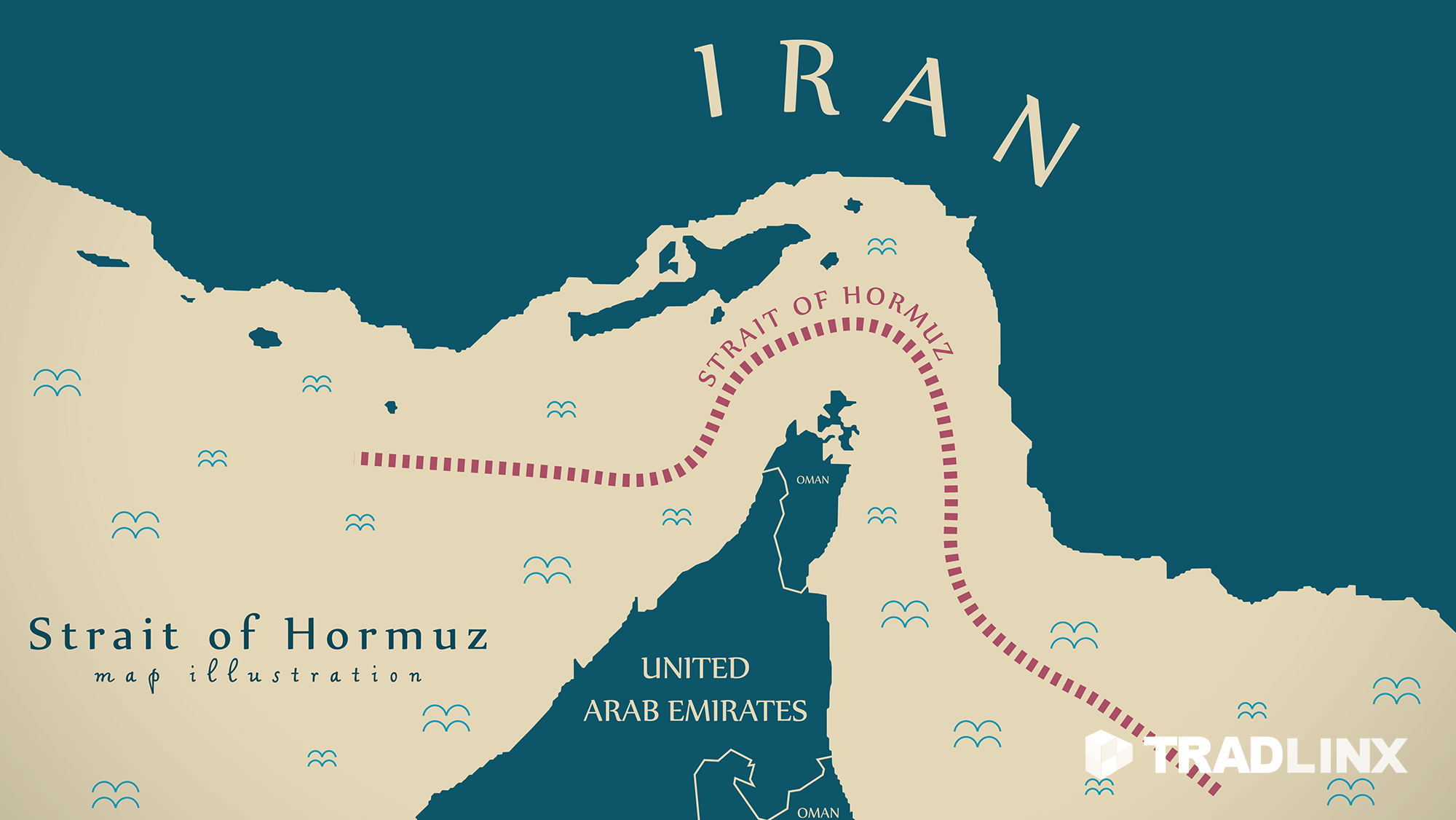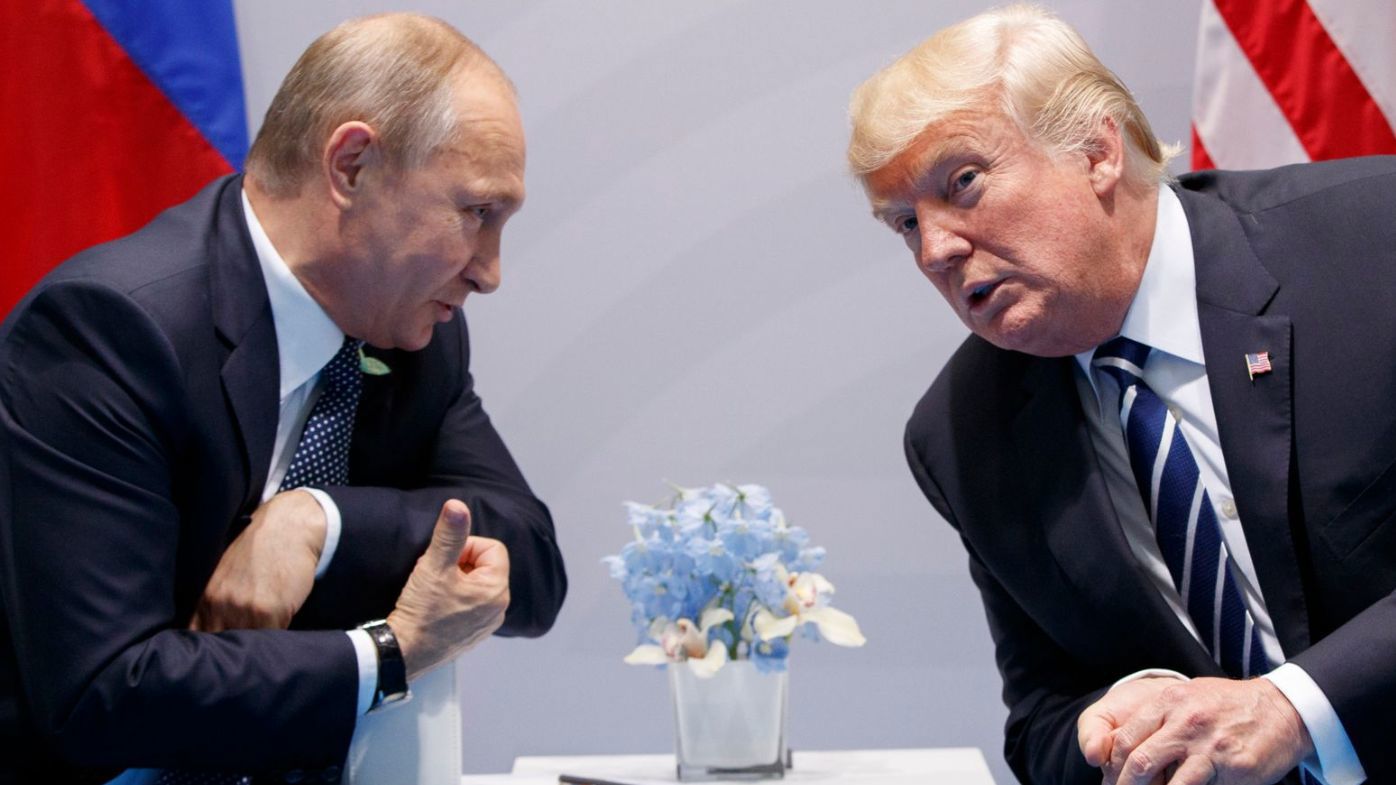
Donald Trump just dropped a massive bomb on the European security grid, and it’s not the kind that targets enemies. By ordering the withdrawal of 5,000 U.S. troops from Germany, he's basically handing Vladimir Putin a strategic win without the Kremlin having to fire a single shot. This isn't just about moving pieces on a chessboard; it’s a direct response to a spat with German Chancellor Friedrich Merz. Trump's mad because Merz called out the White House over its handling of Iran. Now, the rest of the world is left wondering if American military commitments are just a chip in a personal grudge match.
Why the Timing Couldn't Be Worse
We're in 2026, and the "gray zone" of conflict is hotter than ever. Russia is currently testing NATO’s resolve by publishing hit lists of European drone factories and probing borders. Pulling troops now sends a signal of retreat. It tells Moscow that if you annoy the American president enough, the U.S. might just pack up and go home.
The Pentagon is trying to spin this as a "force posture review." Don't buy it. This is a 14% cut to the 36,000 personnel stationed in Germany, including critical logistics and medical hubs like Landstuhl and Ramstein Air Base. These aren't just "Germany's guards." They’re the backbone of how the U.S. projects power into Africa and the Middle East. When you gut that, you gut your own reach.
The Putin Factor
Putin’s primary goal has always been to fracture NATO. He doesn't need to win a tank battle in Berlin if he can just wait for the alliance to crumble from within. Every time a U.S. president treats a military deployment like a protection racket, Putin wins.
Think about the message this sends to the Baltic states or Poland. If Germany—Europe's economic engine—isn't worth the trouble because of a political disagreement, what happens when a small border town in Estonia gets harassed by "little green men"?
- Deterrence is about perception. If the enemy thinks you won't show up, the deterrent is gone.
- Trust is a currency. You can't print more of it once it’s spent.
- Allies aren't customers. Treat them like they're on a subscription plan, and they'll start looking for a different provider.
Germany is Moving On
Germany isn't just sitting around crying. Defense Minister Boris Pistorius basically said "we saw this coming" and told Europe it’s time to grow up. Germany is already hiking its defense spending toward 5% of GDP. That’s a huge shift from the pacifist leanings of the last few decades.
But here’s the kicker: even with all that cash, you can't build a military capable of deterring Russia overnight. It takes years of training, procurement, and infrastructure. By pulling out now, the U.S. creates a "security gap" that Russia is perfectly happy to fill with cyberattacks, sabotage, and political meddling.
This isn't the First Time
Remember 2020? Trump tried this same move back then, wanting to pull 12,000 troops. Biden reversed it because he knew it was a disaster for stability. Now we’re seeing a sequel, and it’s even messier. The difference now is that Russia’s war in Ukraine is in its fifth year. The stakes are higher, the tension is tighter, and the room for error is zero.
What Happens Next
If you're looking for a silver lining, there isn't much of one. Congress might try to block the move, as they have before. Bipartisan groups in the House and Senate are already calling this a "gift to Putin." But the damage to the reputation of the U.S. as a reliable partner is already done.
If you want to understand the real impact, keep an eye on these three things:
- Troop Relocation: Watch if these 5,000 troops actually leave Europe or just move to Poland or Romania. Moving them east is a "middle finger" to Germany but still deters Russia. Pulling them to the U.S. is a total retreat.
- Tariff Wars: Trump is already threatening 25% tariffs on European cars. If a trade war starts alongside a military withdrawal, the trans-Atlantic alliance is effectively dead.
- Russian "Gray Zone" Activity: Watch for an uptick in GPS jamming, arson, and drone sightings near German bases. Putin smells blood in the water.
The bottom line? Security isn't a transaction. When you treat it like one, you end up with no money and no security.
US withdrawal from Germany: Trump's displeasure with Merz
This video breaks down the specific diplomatic fallout between Trump and Merz that triggered the current withdrawal order.
http://googleusercontent.com/youtube_content/1