The cargo ship captain doesn't look at the price of Brent Crude when he wakes up. He looks at the horizon. He looks at the digital charts where little red triangles—vessels carrying everything from sneakers to liquefied natural gas—suddenly veer hundreds of miles off course to avoid a chokepoint that might, or might not, be a kill zone today.
Oil is supposed to be the most logical commodity on earth. It is the blood of the machine. When supply drops, the price climbs. When demand falters, the price falls. It is a math problem. Or it used to be. Today, the math has been replaced by a haunting, a collective anxiety that has turned the global energy market into a room full of people flinching at shadows.
We are living through a conflict that has no expiration date, and that uncertainty is doing something strange to the very foundation of how we value the world.
The Man in the Basement
Consider a hypothetical trader named Elias. Elias sits in a glass-and-steel tower in London, but his mind is in a basement in Kharkiv or a bunker in Gaza. He is paid millions to predict the future. Usually, he uses models built on historical precedents, seasonal shifts, and refinery maintenance schedules.
Now, Elias stares at a screen where the price of oil refuses to move.
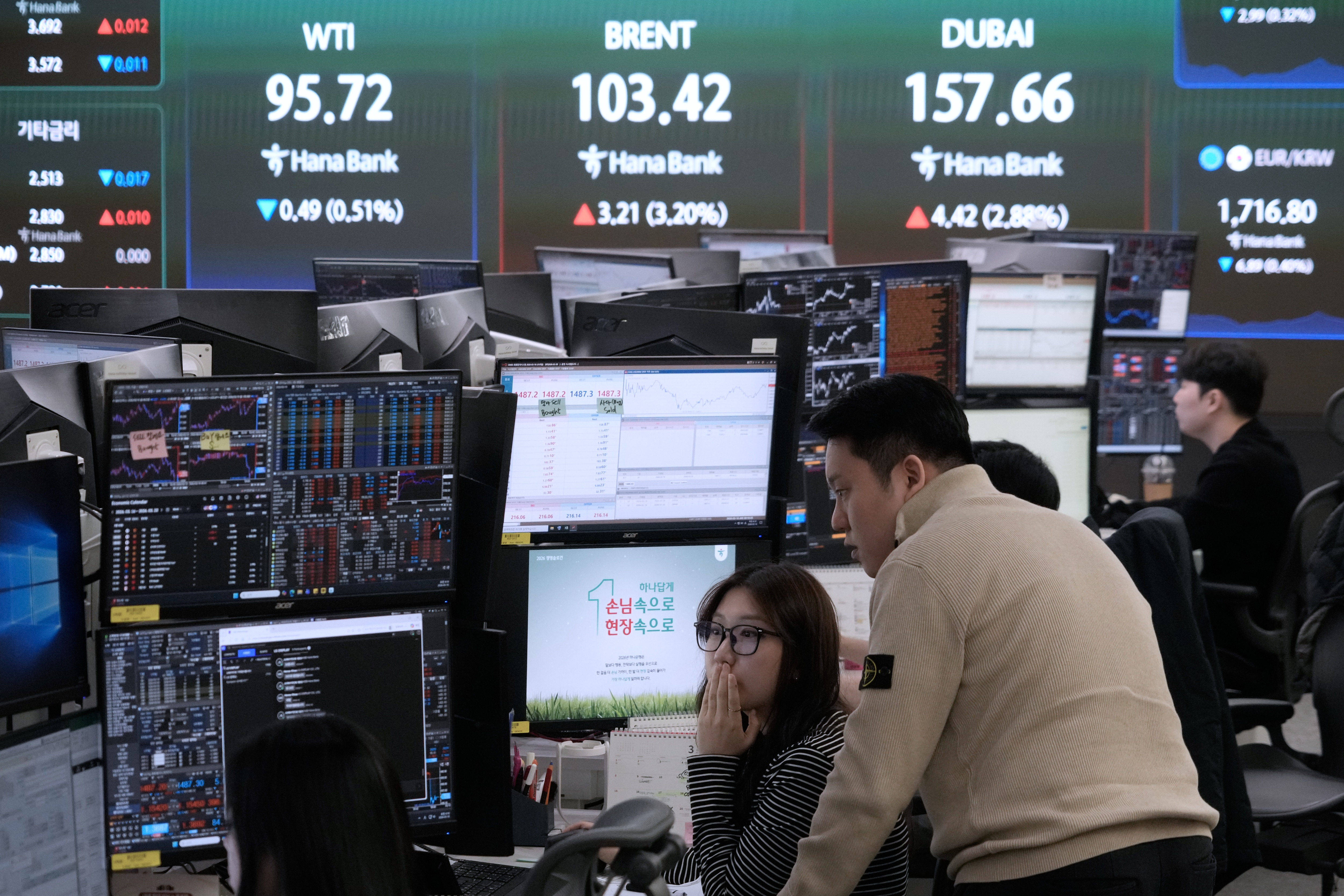
There is a massive war in Eastern Europe involving one of the world’s largest energy producers. There is a widening, jagged conflict in the Middle East that threatens the Strait of Hormuz—the literal jugular of the global economy. By every historical metric, oil should be $120 a barrel.
Instead, it sits at $80. It hovers. It waits.
The "weirdness" the pundits talk about isn't a glitch in the software. It is a breakdown in human psychology. We have become numb to the apocalypse. When the first missiles flew, the market spiked because we expected a beginning, a middle, and an end. Now, we realize there is no end in sight. The war has become a permanent feature of the geography, like a new mountain range or a diverted river.
When a threat becomes permanent, it stops being a "risk" and starts being "overhead."
The Risk Premium is a Lie
For decades, analysts talked about the "risk premium." This was the extra few dollars you paid per barrel just in case something went wrong in a volatile region. It was insurance. But insurance only works if the house might burn down. What happens when the house is constantly on fire, but the fire department has somehow managed to keep it from spreading to the neighbor's yard?
The market has priced in the fire. It has decided that as long as the flames stay within the lines, it doesn't care how high they get.
This creates a terrifying disconnect. On one hand, you have the human reality: families displaced, cities leveled, and the constant, grinding toll of a war of attrition. On the other, you have a global supply chain that has learned to route around the trauma. Russian oil still flows, just through a "shadow fleet" of rusted tankers with switched-off transponders, weaving through the dark like ghosts. Iranian crude finds its way to refineries through a dozen different handshakes.
The "weirdness" is actually a testament to a cynical kind of human ingenuity. We have built a world so desperate for fuel that we have learned to ignore the blood on the pump.
The Empty Seat at the Table
The reason no one knows how long the war will last is that the combatants themselves have stopped asking. This isn't a duel; it’s a marathon. In a duel, someone falls. In a marathon, you just keep breathing until your lungs burn and your vision blurs.
This lack of a timeline creates a vacuum where strategy used to be. If you are an oil executive, do you invest $10 billion in a new offshore rig that takes seven years to build? If the war ends tomorrow, the market might be flooded with "peace oil," and your investment is a paperweight. If the war lasts ten more years, you’re a genius.
But you don’t know. So you do nothing.
You buy back your own stocks. You sit on your cash. You wait for a signal that never comes. This paralysis is the silent killer of the energy transition. We are so busy staring at the war that we aren't building the bridge to whatever comes after it. We are stuck in a waiting room with no clock on the wall.
The Ghost of 1973
The older generation of traders remembers 1973. They remember the lines at the gas stations. They remember when oil was a political weapon that could bring empires to their knees. They keep waiting for that moment to happen again.
But the world has changed. The United States is now the largest oil producer on the planet. Fracking changed the geometry of power. When the Middle East shakes, the tremors don't hit the American midwest the way they used to. This has created a false sense of security—a "geopolitical immunity" that might be the most dangerous delusion of all.
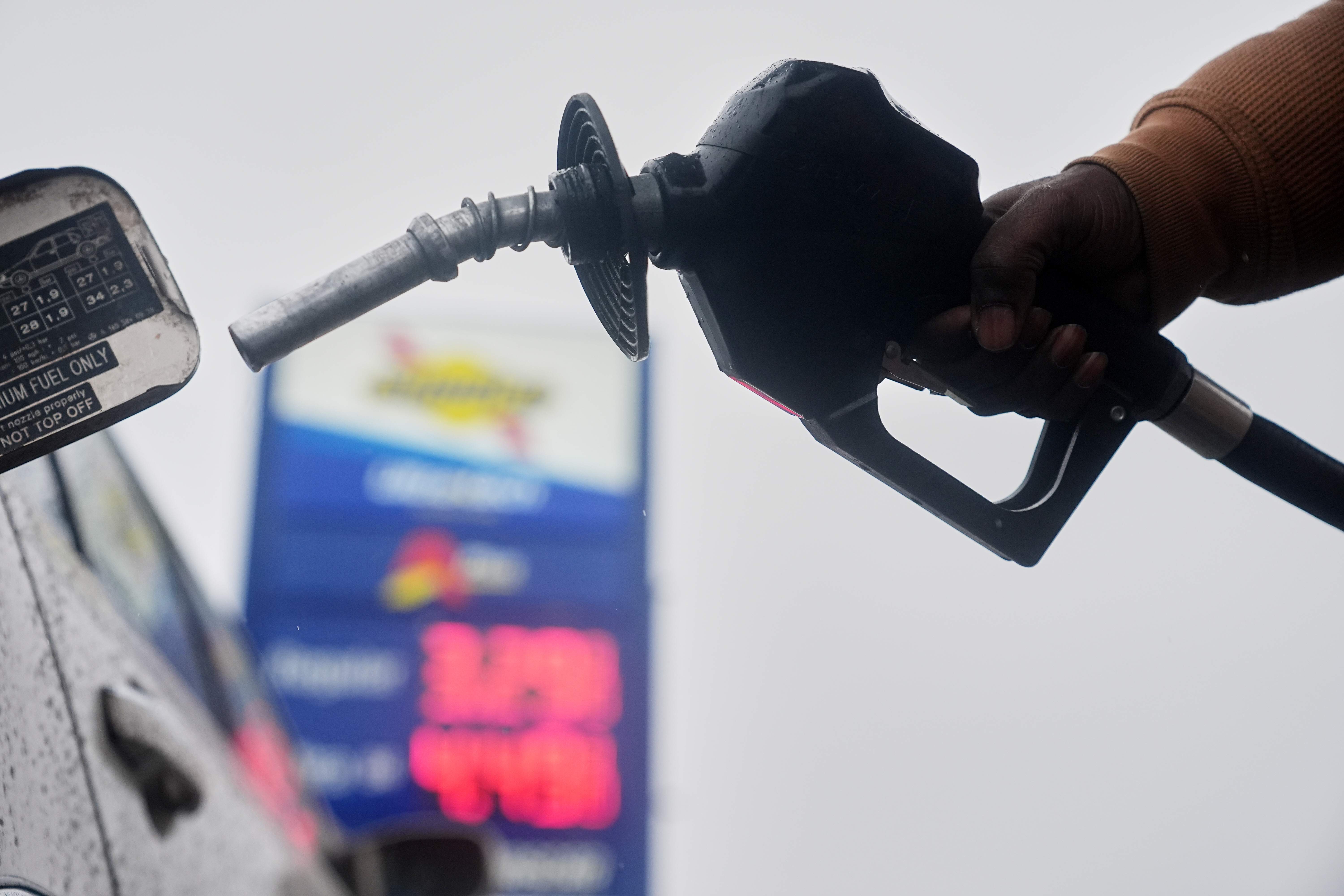
We think we are safe because the price at the pump is stable. We see a war on the news and then see $3.50 on the sign down the street, and we assume everything is fine. We don't see the fragility of the shadow fleet. We don't see the way insurance costs for shipping have tripled. We don't see the way the "weirdness" is actually a tightening coil.
The Breaking Point
Every narrative has a climax. The current story of the oil market is a thriller where the protagonist is walking through a dark house, convinced they are alone, while the audience sees the door creaking open behind them.
The stability we see is a thin crust over a boiling lake. It holds as long as no one makes a move toward the truly unthinkable. As long as the "weirdness" continues, we are in a state of grace. But uncertainty has a shelf life. Eventually, the lack of an end date becomes its own kind of catastrophe.
Small businesses can't hedge forever. Nations can't maintain emergency reserves indefinitely. The human spirit can't stay at a high state of alert for a decade. Eventually, we stop looking at the horizon. We get tired. We look down at our feet.
And that is exactly when the price moves. Not because of a fact, or a barrel count, or a pipeline explosion. It moves because the collective consciousness of the world finally breaks under the weight of not knowing.
The war is no longer a news cycle. It is the atmosphere. We are breathing it in every time we start our cars, oblivious to the fact that we are burning the remains of a stability that no longer exists. The price isn't weird. The price is a scream muffled by a pillow.
The tanker continues its long, arc-shaped journey around the Cape of Good Hope, adding weeks to its trip and burning thousands of gallons of fuel just to stay out of the reach of a drone it cannot see. The captain drinks his coffee. The sun rises over an ocean that looks the same as it did forty years ago. But the charts tell a different story. They show a world that has lost its way, wandering in the dark, waiting for a light that no one has the courage to turn on.