The fluorescent lights of the briefing room hum with a specific, clinical indifference. It is a sound that hasn’t changed in sixty years. In the 1960s, it provided the backtrack for military spokesmen in Saigon who stood before maps of Vietnam, pointing to "kill counts" and "pacification zones" that bore no resemblance to the blood-soaked reality of the jungle. Journalists back then had a name for it: the Five O’Clock Follies.
They called it that because it was a performance. A farce. A daily theater production where the script was written in the ink of optimism and the reality was written in the dirt of defeat.
Today, that hum is still there. But the maps have shifted to the Middle East, and the names on the podium have changed. The rhetoric, however, feels like a weary ghost. When Tehran recently accused the United States of reviving the "Five O’Clock Follies" narrative regarding tensions in the region, they weren't just throwing a diplomatic punch. They were pointing to a specific, recurring fracture in how modern wars are explained to the people who pay for them.
Consider a young analyst sitting in a windowless room in Virginia. Let's call him Elias. Elias spends his days looking at satellite imagery and intercepted signals. He sees the chess pieces moving—the drones, the tankers, the slow buildup of hardware in the Persian Gulf. He knows the math of conflict. But when he turns on the news at night, he hears a version of his work that has been bleached. The nuance is gone. The risks are sanded down. The "imminent threats" are presented with a certainty that his own raw data rarely supports.
Elias is the modern witness to the Follies. He sees the gap between the intelligence and the announcement.
The Architecture of a Narrative
The original Five O’Clock Follies weren't just about lying; they were about a fundamental disconnect in perspective. The U.S. command in Saigon was obsessed with metrics. They believed that if they could quantify the war—if they could show a higher body count for the Viet Cong than for the Americans—they were winning. It was a war managed by spreadsheets.
The problem was that the spreadsheets couldn't measure the will of a local population or the strategic depth of the enemy.
Today, we see a similar obsession with "surgical strikes" and "deterrence." We are told that a specific action—a drone strike, a new set of sanctions, a carrier strike group moving into position—will "restore order." It is presented as a clean, logical progression. But war is never clean, and it rarely follows the logic of a press release.
When Iran’s Foreign Ministry invokes the Follies, they are highlighting the American tendency to narrate conflict as a series of manageable, justified steps toward an inevitable victory. It is a story designed to maintain public consent. If the public believes the war is a technical problem being solved by experts, they are less likely to ask why the "problem" has lasted for twenty years.
The Invisible Stakes
To understand why this matters, we have to look past the podium. We have to look at the people living in the shadow of the narrative.
Imagine a family in a coastal city in Iran. They aren't government officials or military strategists. They are shopkeepers and teachers. For them, the "escalation" discussed in Washington isn't a talking point. It is the price of medicine doubling overnight. It is the sound of a jet engine overhead that makes them wonder if today is the day the narrative becomes a reality.
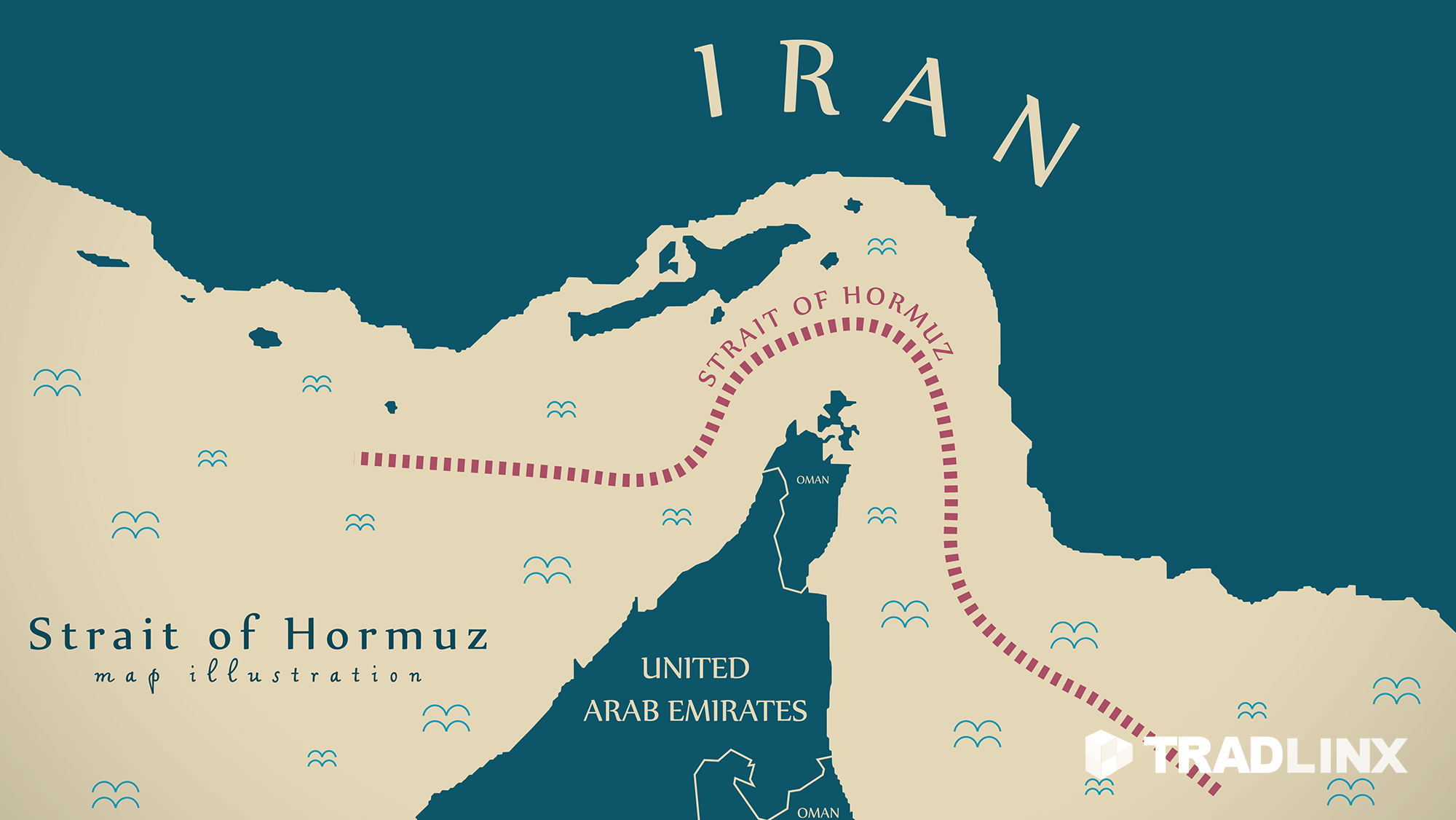
On the other side, think of a Navy sailor on a destroyer in the Strait of Hormuz. He is twenty years old. He grew up hearing about the "War on Terror" as a background noise, like a radio left on in another room. Now, he is the one staring at a radar screen, waiting for a blip that might require him to make a split-second decision with global consequences.
The "Follies" happen when the people at the podium forget about the sailor and the shopkeeper. When the language becomes so abstract that "neutralizing a target" no longer sounds like ending a human life.
The Language of Deception
The hallmark of the Follies was the use of "officialese"—a dialect of English designed to convey information without actually saying anything. In Vietnam, a "protective reaction strike" meant a bombing raid. "Relocating civilians" meant burning down a village and moving its inhabitants to a camp.
We haven't lost the knack for this. Today, we talk about "maximum pressure." It sounds firm. It sounds strategic. But what does it look like on the ground? It looks like a slow-motion strangulation of an economy, where the people who suffer most are the ones with the least power to change their government’s policy.
When the U.S. narrative echoes the Vietnam era, it relies on a specific type of selective memory. It highlights the provocations of the adversary while airbrushing the history of Western intervention in the region. It treats every crisis as if it started yesterday, ignoring the decades of friction that led to the current moment.
This isn't just a critique of one administration or one political party. It is a critique of a systemic way of communicating war. The Follies are a comfort blanket for a democracy. They allow a nation to go to war without having to look at the scars.
The Cost of the Performance
Why do we keep doing this? Why do we fall back on the same scripts?
The answer is simple and devastating: because the truth is too heavy. To admit that a conflict is a quagmire, or that there is no clear path to "victory," is a political death sentence. It is much easier to provide a daily update, a new set of slides, and a confident tone.
But the ghost of Vietnam teaches us that the cost of the performance eventually comes due. In the 1970s, the gap between the Follies and the reality became so wide that it snapped. The result was a total collapse of public trust in government—a wound that has never fully healed.
When we see the same patterns emerging today—the same certainty in the face of chaos, the same dehumanization of the "enemy," the same reliance on sanitized metrics—we are watching the same tragedy in a different costume.
The stakes aren't just about who "wins" a standoff in the Middle East. The stakes are the integrity of the information we use to function as a society. If we cannot trust the narrative of our own security, we are flying blind.
Breaking the Script
There is a moment in the history of the Vietnam briefings where a journalist finally stood up and asked a simple, devastating question: "How do you know?"
The spokesman didn't have an answer that wasn't a statistic. He couldn't point to a reality that wasn't on his map.
That is the question we are failing to ask today. When we are told that "all options are on the table," or that a new deployment is "purely defensive," we need to ask: How do you know? What are the human consequences if you are wrong? Who is writing the script for today's five o'clock news?
The Iranian accusation of a "Follies" revival is a warning. It’s a reminder that the world remembers our past performances even when we try to forget them. It’s a reminder that rhetoric has a shelf life.
Elias, the analyst in Virginia, watches his screen. He sees the truth in the pixels—the movement, the tension, the fragility of the peace. He knows that his data will eventually be fed into a machine that turns reality into a story. He knows that by the time it reaches the podium, it will be shaped to fit a pre-existing mold.
He wonders if anyone is actually listening to the hum of the lights.
We live in an age of unprecedented information, yet we are still susceptible to the oldest trick in the book: the belief that war can be narrated into something manageable. We want to believe the experts at the podium because the alternative—that we are drifting toward a conflict no one fully understands—is too terrifying to contemplate.
But the maps are starting to tear at the edges. The kill counts and the pressure campaigns are failing to produce the promised results. The ghost of the Saigon briefing room is leaning over the shoulder of the modern press secretary, whispering a warning that we ignore at our own peril.
The theater is still open. The lights are still humming. And the script is being read, line by predictable line, while the world waits for someone to finally tell the truth.
A lone camera remains on in the empty briefing room, casting a long, distorted shadow of the podium against the wall.
Would you like me to research specific historical comparisons between Vietnam-era military briefings and current Pentagon press strategies to strengthen the factual parallels?