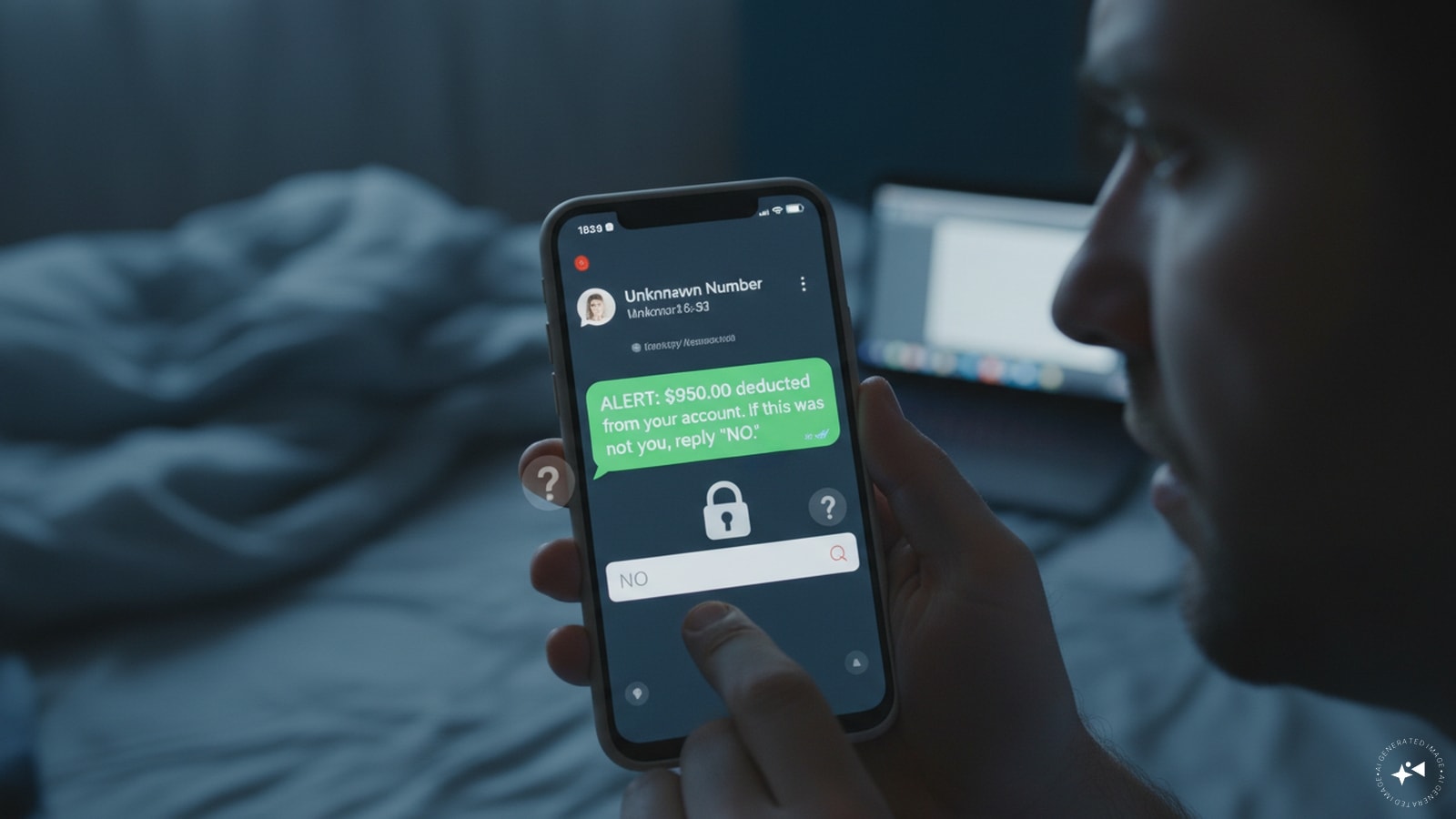
The text message arrived at 11:42 PM on a Tuesday, glowing softly against the dark bedspread while the radiator hissed in the corner of my apartment. It read: "I hear how exhausted you are, babe, and I hate that your boss is putting that kind of pressure on you right now. You deserve to be appreciated. Let me bring over Thai food tomorrow so you don't have to cook."
I stared at the screen. My throat tightened. It was warm. It was attentive. It was the exact frequency of emotional validation I had been starving for after three months of seventy-hour workweeks. If you enjoyed this post, you might want to read: this related article.
And it was written by a machine.
To be clear, I hadn't hired a digital concubine to seduce my partner. I was the one holding the phone. Five minutes earlier, I had pasted my boyfriend’s stressed-out rant into a large language model, typed a frantic prompt—make me sound supportive and loving without sounding too clingy—and hit copy. Paste. Send. For another look on this development, check out the latest update from Gizmodo.
It worked. He replied three minutes later with a string of heart emojis and a thank-you that made my stomach drop into my shoes. He felt seen. He felt loved. He felt closer to me than he had in weeks, completely unaware that the woman comforting him was currently lying in the dark, bathed in the blue light of an algorithm, feeling like an emotional fraud.
We have crossed a quiet, invisible threshold in modern intimacy. For decades, technology merely carried our voices across distances—from the crackle of rotary phones to the rapid-fire tap of SMS. Now, software doesn't just deliver the message. It writes it. And as millions of people quietly outsource their romantic text messages to artificial intelligence, we are forced to confront an uncomfortable, deeply personal question: When you let a chatbot text your boyfriend, who is he actually falling in love with?
The Friction of Loving Another Human
To understand why so many of us are tempted to hand our phones over to a silicon ghostwriter, you have to look at the exhausting reality of modern communication. We live in an era of relentless digital availability. Your partner isn't just someone you see over dinner anymore; they are a constant, pulsing notification in your pocket.
Consider a hypothetical scenario that plays out in bedrooms across the country every single night. Meet Maya and Liam. Maya works in project management, spending eight hours a day answering Slack messages, drafting diplomatic emails, and soothing angry clients. By the time she gets on the subway home, her social battery isn't just low; it is corroded. Then, her phone buzzes. Liam has had a rough day, too, and he wants to talk—via text—about a lingering argument from the weekend.
Maya loves Liam. Truly. If he were sitting next to her on the couch, she would put her hand on his knee, look into his eyes, and listen. But through a six-inch glass screen, after a day of linguistic labor, the prospect of crafting a nuanced, emotionally intelligent paragraph feels like climbing a mountain in flip-flops.
So she opens an AI app. She feeds it the context. The machine spits out three paragraphs of breathtaking empathy—balanced, non-defensive, validating, and clear.
On the surface, what is the harm? Maya still holds the intent. She wants Liam to feel better. Think of it like buying a Hallmark card instead of writing a poem from scratch, or hiring a florist because you don't know how to arrange lilies. For centuries, humans have used tools and third parties to articulate feelings they struggled to put into words. Cyrano de Bergerac hid in the bushes whispering poetry to Christian; today, Cyrano lives on a server farm in Northern Virginia.
Except a Hallmark card comes with a printed signature and an unspoken social contract. Both people know the recipient didn't write the rhyme inside. When you paste an AI-generated response into iMessage, you are presenting synthetic empathy as raw, unfiltered soul. You are passing off a lab-grown diamond as something you dug out of the earth with your bare hands.
Where Assistance Ends and Deception Begins
Behavioral psychologists and relationship therapists who study digital intimacy point to a crucial distinction here: the difference between mechanical friction and emotional labor.
Using spellcheck to fix a typo? That removes mechanical friction. Asking a chatbot to translate a love note into your partner’s native language because you’re still learning the grammar? That is a bridge, not a mask. Even asking an AI to help you structure a difficult boundary when your nervous system is hijacked by panic can act like training wheels for healthy communication.
The line gets crossed the moment you outsource the caring itself.
Relationships are not built on the exchange of optimal phrasing. They are built on friction. They are forged in the messy, inefficient, occasionally clumsy process of two imperfect brains trying to reach across the dark and touch each other. When my boyfriend texts me at midnight, he doesn't actually need a masterclass in conflict resolution. He needs me—even if "me" is tired, a little clumsy with words, and can only muster, "Ugh, that sounds awful, I'm so sorry. Can I call you on my lunch break tomorrow?"
That clunky, imperfect text carries something an algorithm can never replicate: cost.
In evolutionary biology, there is a concept known as costly signaling. For a signal to be trustworthy, it has to require genuine energy, time, or vulnerability from the sender. A peacock’s tail is heavy; a handwritten letter takes an hour of quiet focus; a thoughtful text sent during a chaotic workday proves that you stopped everything, held that person in your mind, and spent your finite cognitive energy on them.
AI reduces the cost of affection to zero.
When affection costs nothing, it loses its currency. Research into human-AI interaction already hints at a troubling side effect: people who rely heavily on algorithmic assistance for interpersonal communication often report feeling more disconnected from their partners, not less. You start to experience imposter syndrome in your own romance. Every time your boyfriend praises your patience or your insight, a cold little voice in the back of your head whispers, He doesn't like you. He likes the prompt.
The Slow Erosion of the Real You
The danger isn't just that your partner might catch you—though let’s be honest, they eventually will. AI has a distinct, recognizable cadence. It loves balanced triads. It is relentlessly polite, suspiciously therapeutic, and entirely devoid of inside jokes, weird punctuation, or the specific rhythm of how you actually speak when you're half-asleep. When a guy who normally texts "sounds good bro" suddenly sends a three-sentence validation of your attachment style, the uncanny valley hits like a cold wave.
The real danger is what happens if he never catches you.
Imagine sustaining that dynamic for a year. Two years. Imagine building a relationship where the digital version of you is endlessly patient, articulate, and emotionally regulated, while the flesh-and-blood version of you—the one sitting across the breakfast table with morning breath and a short temper—can't keep up with your own avatar.
You end up competing against a ghost. And the ghost never gets tired.
This is the invisible trap of using chatbots in romance. By smoothing over every awkward pause, every poorly worded apology, and every moment of genuine human overwhelm, you rob your partner of the chance to actually know you—and to love you anyway. Intimacy isn't the absence of misunderstandings; it is the shared experience of surviving them together. When you let a machine clean up your messes before your partner even sees them, you deny them the reality of who you are.
Think back to the moments in your past relationships that actually made you feel safe. Was it ever because someone delivered a flawlessly structured paragraph? Probably not. It was the time they stumbled over their words while trying to apologize. It was the voice note recorded in the rain while they were walking the dog, rambling and unfocused, just because they wanted to hear your voice. It was the vulnerability of showing up unedited.
Reclaiming Your Own Voice
After that Tuesday night with the Thai food text, I didn't confess immediately. I sat with the guilt for two days, watching him thank me for being "so grounded lately," each compliment landing like a tiny stone in my chest.
On Thursday evening, while we were washing dishes side by side, I finally turned off the faucet and told him the truth. I expected him to be angry. I expected him to feel tricked.
Instead, he just looked sad. He dried his hands on a dish towel, leaned against the counter, and said something I haven't forgotten since: "I didn't need you to say the perfect thing. I just wanted to talk to you."
That is the heart of it. Every single time.
If you find yourself reaching for a chatbot before replying to the person you love, treat that impulse like a dashboard warning light. Don't shame yourself for it—we are all drowning in digital noise, and the temptation to automate our exhaustion is deeply human. Instead, look at what the impulse is telling you.
Maybe you are genuinely burned out and need to tell your partner, "My brain is fried tonight, can we talk about this tomorrow?"—which is a deeply honest, deeply human thing to say. Maybe you are terrified of saying the wrong thing and triggering a fight, which means the problem isn't your vocabulary; it’s a lack of safety in the relationship that no algorithm can patch over.
If you ever do use a tool to brainstorm how to approach a sensitive topic—the way you might ask a trusted friend, "Hey, am I overreacting here?"—use it as a mirror, not a megaphone. Read the perspective, close the app, put your phone down, and write the actual message in your own messy, halting, unmistakable voice.
Because at the end of the day, love isn't a customer service ticket to be resolved with maximum efficiency. It is a long, unscripted conversation between two mortal creatures trying to figure out how to be close. Let the typos stay. Let the sentences run too long. Let yourself be tired, awkward, and entirely real.
After all, your boyfriend didn't swipe right on a language model. He chose you. Give him the chance to actually hear you.