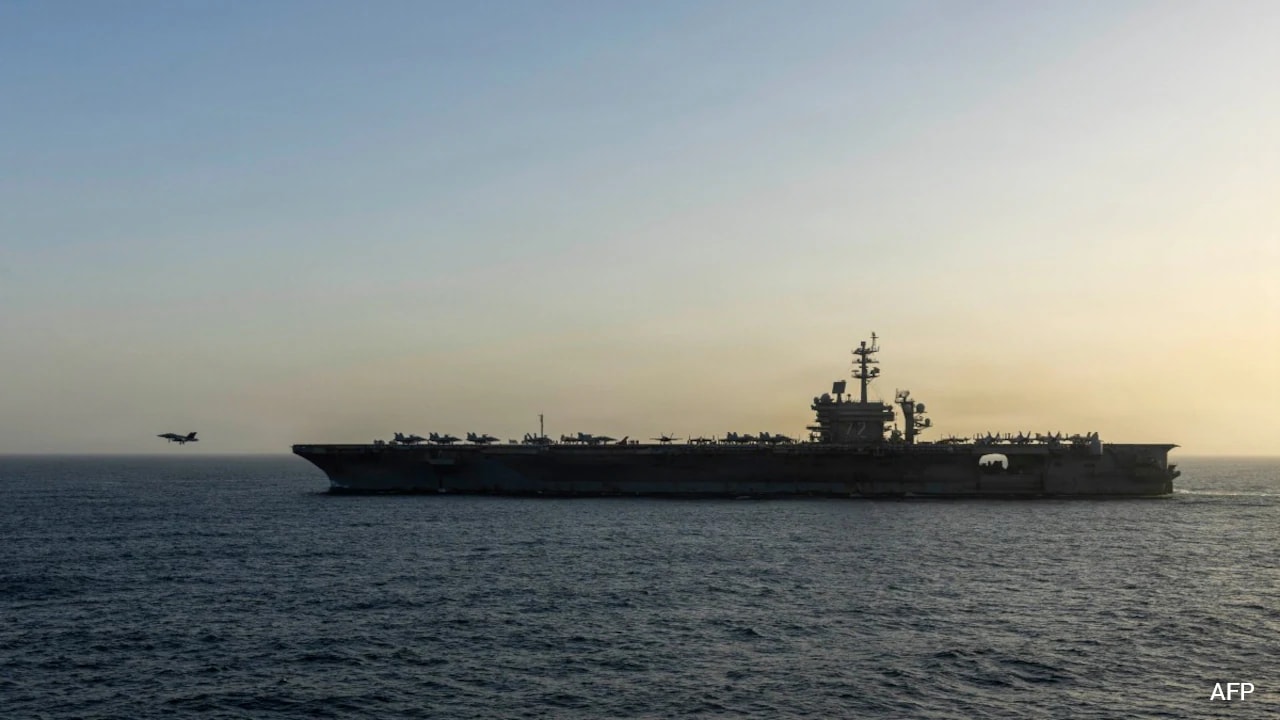
The sea does not care about geopolitical borders, but politicians do. When British commandos fast-roped from a helicopter onto the deck of the oil tanker Smyrtos in the English Channel, they weren't just stopping a ship. They were seizing a symbol.
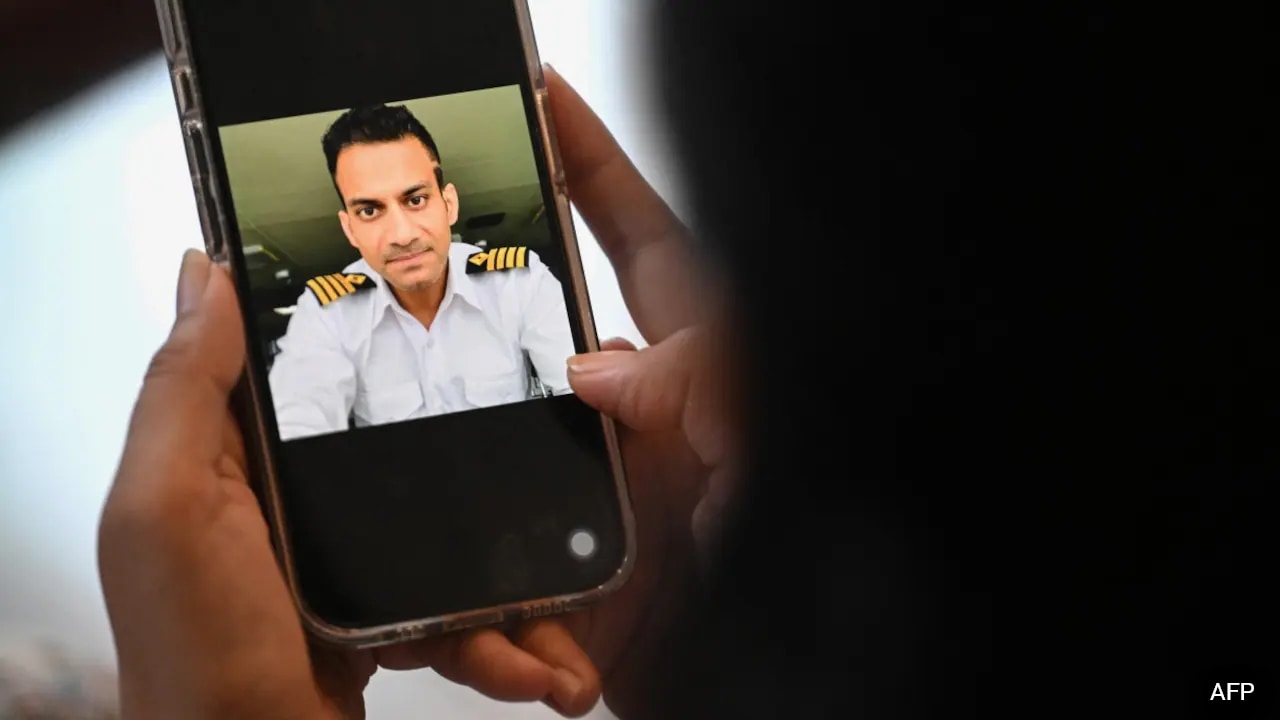
For thirty-eight-year-old Indian merchant navy captain Ajay Pant, the ocean had always been a place of quiet labor, long shifts, and a heavy sense of responsibility toward his crew. On June 14, it became a trap.
The vessel he commanded was carrying roughly ninety-eight thousand tonnes of oil, moving from the Russian port of Ust-Luga toward Egypt. To Western governments, the Smyrtos was a ghost. It belonged to the opaque, sprawling shadow fleet—a network of aging tankers with obscured ownership and dubious insurance designed to help Moscow bypass international oil sanctions. To then-prime minister Keir Starmer, intercepting it was a direct blow to the Kremlin's financial lifeline.
To Ritu Pant, sitting thousands of miles away in the quiet hills of Uttarakhand, it was an incomprehensible nightmare.
"My husband just became the scapegoat," she said, her voice carrying the exhaustion of months spent waiting and worrying. "He was at the wrong place at the wrong time."
The human cost of high-stakes global politics is rarely measured in the spreadsheets of trade ministers. It is measured in phone calls made from concrete cells.
When Ajay first managed to contact his wife after being denied bail and locked away in HMP Winchester, the man who was supposed to be an authoritative master of the seas was completely broken. He was crying. He told her he didn't understand what had happened, begging her to get him out.
The legal battle shaping up ahead of his December trial has turned into a terrifying precedent for global seafarers. Historically, sanctions target corporate entities, shell companies, or the vessels themselves. Penalizing the captain personally—treating a standard mariner as a criminal mastermind for fulfilling an employment contract—changes the rules of the entire maritime industry.
Prosecutors argue that as the master of the ship, Ajay possessed full knowledge of the cargo. His defense counsel counters with a foundational reality of shipping: a captain follows orders, manages safe navigation, and gets cargo from point A to point B.
"The master's responsibility in any vessel is to just get the cargo safely to its destination," Ritu noted. She isn't a geopolitical strategist. She is a wife watching her husband face up to ten years in a foreign prison simply because he went to work.
Days before his arrest, Ajay had written to her, expressing deep anxiety about the rising dangers of the sea, noting how volatile and perilous shipping lanes had become amid global conflicts. He was worried about safety, about coming home, about the invisible lines being drawn across the water. He had no idea that the greatest danger wouldn't come from a missile or a storm, but from a courtroom thousands of miles away from home.
While twenty-four other crew members were eventually permitted to return to their families, Ajay remains behind, the sole focal point of a European warning shot. The ship sits anchored off the southern coast of England, a rusted ghost in the daylight.
The trial will decide whether a captain can be held legally accountable for the geopolitical sins of the state whose flag his employer chose to fly. But for the household in India, the verdict has already been rendered by circumstance. A family is fractured, waiting for a December date that feels like a horizon that keeps receding.
The sea remains deep, dark, and indifferent, washing endlessly against shores where men are reduced to diplomatic leverage.