Buying gifts for kids is a weird psychological trap. You walk into a store or open a browser wanting to make a child light up, yet half the time you end up handing over a plastic siren that makes parents quietly wish for a mute button. Worse, the toy gets ignored by Tuesday.
Good gifts for kids don't force a trade-off between pure joy and parental sanity. When you pick something well, the child gets real engagement or comfort, and the parents don't have to clean up a thousand micro-pieces, hunt for 14 button batteries, or trip over a giant contraption that refuses to fit in any closet.
I've watched plenty of gift hauls play out over the years—at birthdays, holidays, and casual visits—and the pattern is predictable. Loud, hyper-specific novelty items win the first three minutes. Open-ended, tactile, or genuinely useful things win the next three years. Honestly, it's kinda wild how often we confuse flashy with fun.
What Parents Actually Care About Behind Closed Doors
Ask parents what they hate about gifts and you'll hear the same complaints over and over. Noise comes first. A toy that sings three tinny loops when jostled isn't charming at 6:15 a.m. when everyone is half-awake. Tiny loose parts come second, right behind items that demand constant adult setup or special chargers you'll lose in a drawer by February.
Space matters more than people admit. A play kitchen or giant ride-on might look thrilling in a showroom, yet if a family lives in a two-bedroom apartment or already has wall-to-wall bins, bulky gear creates friction fast. Developmental organizations like the American Academy of Pediatrics have long emphasized simple, imaginative play over over-engineered electronic toys that do all the work for the child. When a toy flashes, talks, and plays music on its own, the kid often becomes a spectator instead of the creator.
That doesn't mean parents want boring socks and lectures disguised as cardboard. Parents love gifts that spark real focus, invite independent play, or solve an everyday friction point without adding clutter. If a gift helps a kid build something, read longer, sleep easier, or move their body without wrecking the living room, parents notice immediately.
Why Open-Ended Play Beats Flashy Novelties
Kids have short attention spans for rigid scripts and surprisingly deep focus for things they can bend to their own ideas. A set of magnetic tiles, wooden blocks, modeling clay, or art supplies doesn't run out of "levels." Today it's a rocket ship; tomorrow it's a zoo for stuffed animals; next month it's a bridge for toy cars.
Research on play consistently points to the value of open-ended materials in building problem-solving skills, spatial reasoning, and creativity. You don't need a lab coat to see it in action. Put a stack of blank notebooks, decent markers, and masking tape on a table and watch what happens when nobody tells the kid what to make.
Cheap novelty gadgets fail because they're narrow. Once a kid presses the button five times and sees the trick, the mystery is gone. Better gifts for kids leave room for invention, mistakes, and retries. They grow alongside the child's imagination instead of expiring after one afternoon.
Smart Gift Ideas by Age and Personality
Age labels on boxes are rough guides, not laws. A cautious six-year-old and a fearless six-year-old want very different things, and sibling dynamics change the math too. Still, grouping ideas by stage and temperament helps you avoid obvious misses.
Toddlers and Preschoolers Around Ages Two to Four
At this stage, big motor skills, sensory exploration, and simple cause-and-effect rule the day. Skip anything with tiny choke hazards, fragile electronics, or complicated rules that require constant refereeing.
- Chunky board books with sturdy flaps or rich illustrations that invite conversation rather than passive staring.
- Push or pull toys, balance bikes, or soft indoor movement gear that burn energy safely.
- Washable crayons, jumbo markers, and play dough sets with a few simple rollers or cutters—not 60 tiny molds that vanish under the sofa.
- Dress-up basics like hats, capes, or oversized shirts that let kids test roles without needing a full costume trunk.
Parents of toddlers generally appreciate anything washable, sturdy, and easy to stash in one basket. If it doesn't have a power switch, that's usually a plus.
Early Elementary Kids Around Ages Five to Eight
Between five and eight, kids start caring about mastery, rules, stories, and making things that look "real" to them. They love feeling capable. A gift that lets them do something on their own feels huge at this age.
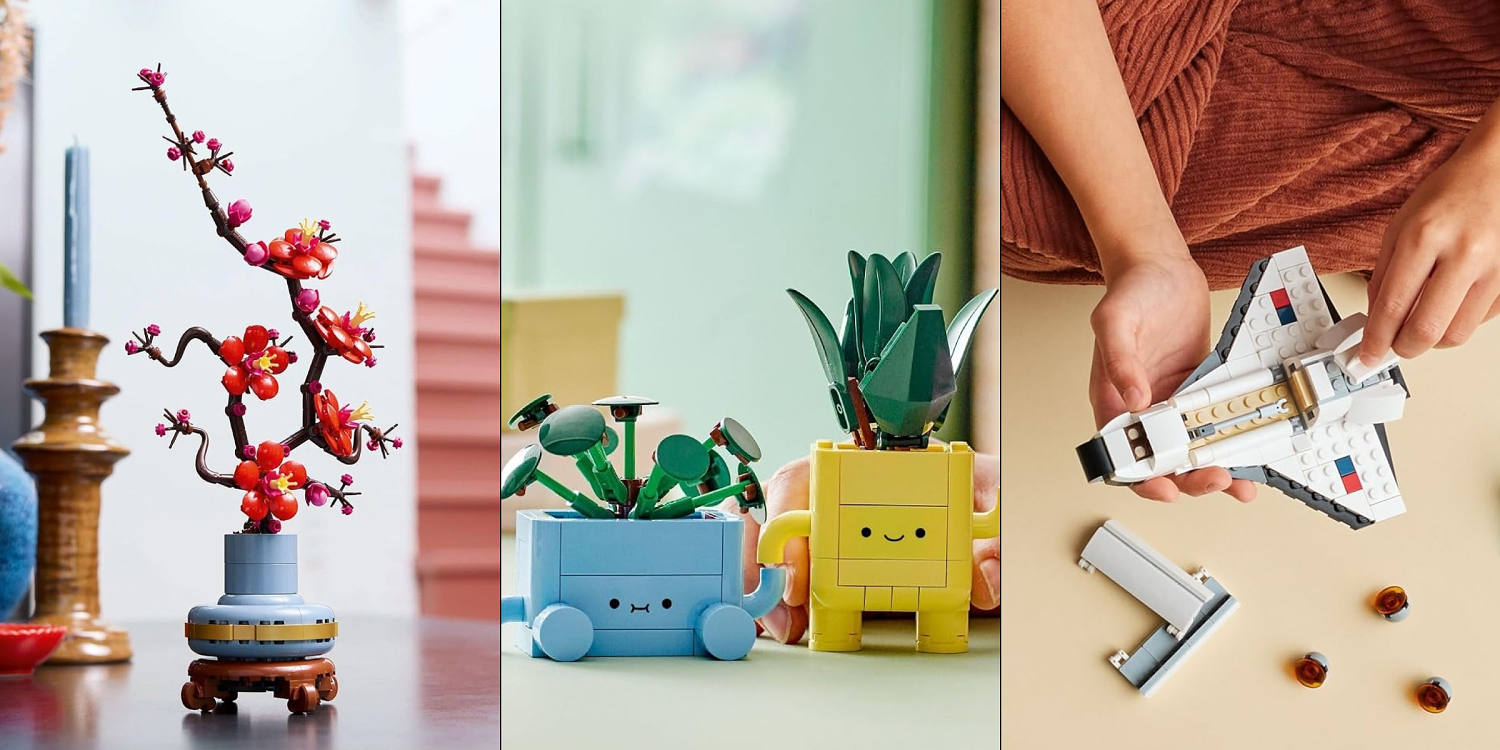
- Beginner building sets, marble runs, or simple craft kits with clear start-to-finish projects.
- Easy-to-learn card or board games that rounds can finish in 15 to 20 minutes without sparking a two-hour meltdown.
- Chapter books matched to their reading comfort, paired with a clip-on reading light if they like staying up a little past lights-out.
- Outdoor gear like a good jump rope, sidewalk chalk, binoculars, or a kid-friendly flashlight for backyard adventures.
One detail many gift-givers miss here is frustration tolerance. A 500-piece puzzle or fiendishly tricky model kit can turn a fun afternoon into tears if it's way ahead of the child's patience level. Aim for slightly stretching, not punishing.
Tweens Around Ages Nine to Twelve
Tweens are caught in a funny middle ground. They don't want "little kid" babyish stuff, yet they aren't teenagers either. If you buy something that feels juvenile, they'll side-eye it immediately. If you buy something overly mature without context, it might miss the mark.
- Skill-building kits tied to real interests, like sketching, basic coding/electronics, baking tools, or photography basics.
- Strategy games, trivia, or cooperative games they can play with friends or parents.
- Room upgrades they actually pick or influence, like cozy throw blankets, cool desk lamps, or storage that doesn't look like nursery furniture.
- Experiences—museum passes, zoo memberships, tickets to a game or show, or a class—when you know the parents are on board with the schedule.
Tweens value autonomy and identity. Gifts that treat their hobbies seriously usually land much better than generic "cool kid" gimmicks.
Mistakes That Sabotage Even Well-Meaning Gifts
Even thoughtful people step on rakes when shopping for children. The biggest mistake is buying for the idea of childhood rather than the actual kid in front of you. You might love the nostalgia of a classic chemistry set or a vintage board game, yet if the child hates reading dense instructions or gets bored quickly, it'll sit untouched.
Another classic slip is ignoring household rules and storage reality. Slime, glitter, kinetic sand, and massive drum sets are polarizing for a reason. Some parents don't mind messy play outside or in a garage; others dread it because they're already stretched thin. When in doubt, ask a quick question before buying something loud, messy, or huge.
People also overdo quantity. Five mediocre trinkets rarely beat one solid gift. A pile of cheap plastic favors creates visual clutter fast and teaches kids to rip open packages and move on without really connecting to anything.
How to Pick a Winner Without Overthinking It
You don't need a spreadsheet to choose great gifts for kids. Start with what the child already gravitates toward—building, drawing, running, pretending, collecting, or reading—and look one small step deeper into that lane. Check if the item needs batteries, tiny parts, or heavy assembly, and weigh whether the parents will sigh or smile when they see it.
If you're stuck between two options, ask the parents directly: "Do you prefer something active, creative, or practical right now, and is there anything you're trying to avoid?" Most parents will give you a clear answer in ten seconds, saving you money and giving the kid something they'll actually use.