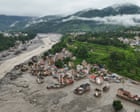
Flash floods in the Grand Canyon don't give warnings. They just arrive.
Two bodies were recovered following a devastating flash flood event in the Grand Canyon, while emergency crews continued a frantic search for a remaining missing person. When walls of water tear through narrow slot canyons, physics leaves almost zero room for error. You can be miles away from a storm, enjoying blue skies overhead, and still find yourself caught in a lethal wall of mud and debris moving faster than a sprinting runner.
It is a terrifying reality that catches experienced hikers and casual tourists off guard every single year. Let's talk about why these desert deluges happen, how they turn deadly in seconds, and what you need to know to stay alive out there.
The Brutal Mechanics of Desert Floods
Most people picture a flood as rising water spreading out slowly across a wide riverbank. That is not how it works in the canyon.
When heavy thunderstorms hammer the high plateaus miles away, dry soil refuses to absorb the sudden deluge. Water sheets off the rock like parking lot asphalt, funnels into narrow washes, and drops hundreds of feet down into the canyon network. By the time it reaches the popular hiking corridors, it forms a roaring wall of water, boulders, and uprooted trees.
You don't hear it coming until it is too late. The canyon walls trap the sound, echoing the roar of the approaching torrent right up until the wave hits.
Rescue teams face nearly impossible odds when responding to these disasters. Helicopters get grounded by high winds. Rugged terrain blocks ground vehicles. Swift-water rescue specialists have to navigate churning, debris-filled channels where every floating log acts like a battering ram.
Spotting the Red Flags Before You Step Out
Checking the weather app on your phone is not enough. Cell service vanishes inside the canyon anyway.
You have to look at the sky, understand regional monsoon patterns, and respect local warnings. Park rangers don't close slot canyons to ruin your vacation. They close them because statistics show that surviving a flash flood in a narrow rock corridor is almost entirely a matter of pure luck rather than skill.
- Watch the weather miles upstream, not just above your head.
- Avoid narrow slot canyons entirely when rain is forecasted anywhere in the region.
- Look for sudden changes in stream color or rising water levels in normally dry creeks.
- Identify high-escape routes before you enter any narrow gorge.
If the water starts rising, throw away your gear. Drop your heavy backpack. Do not try to salvage your camera or your wallet. Every ounce matters when you are fighting a current that can flip a truck. Scramble up the canyon walls immediately, even if it means scraping your hands and ruining your clothes.
What the Statistics Actually Tell Us
Every season, search and rescue teams risk their lives pulling stranded travelers out of trouble. Backcountry travel requires a shift in mindset. Mother Nature doesn't care about your itinerary, your permit fees, or your vacation timeline.
When tragedy strikes, the aftermath exposes systemic gaps in how visitors perceive desert hazards. People assume the desert means dry heat. They forget that water shapes the landscape here more powerfully than wind or sun.
We need to talk more about these risks without sugarcoating them. The recent recovery operations in the Grand Canyon highlight a grim truth. Nature holds all the cards. Respect the watershed, check the backcountry advisories obsessively, and when park officials tell you to stay out of the washes, listen to them.
Stay out of the narrows when storms threaten. Pack out your trash, but more importantly, pack out your life.