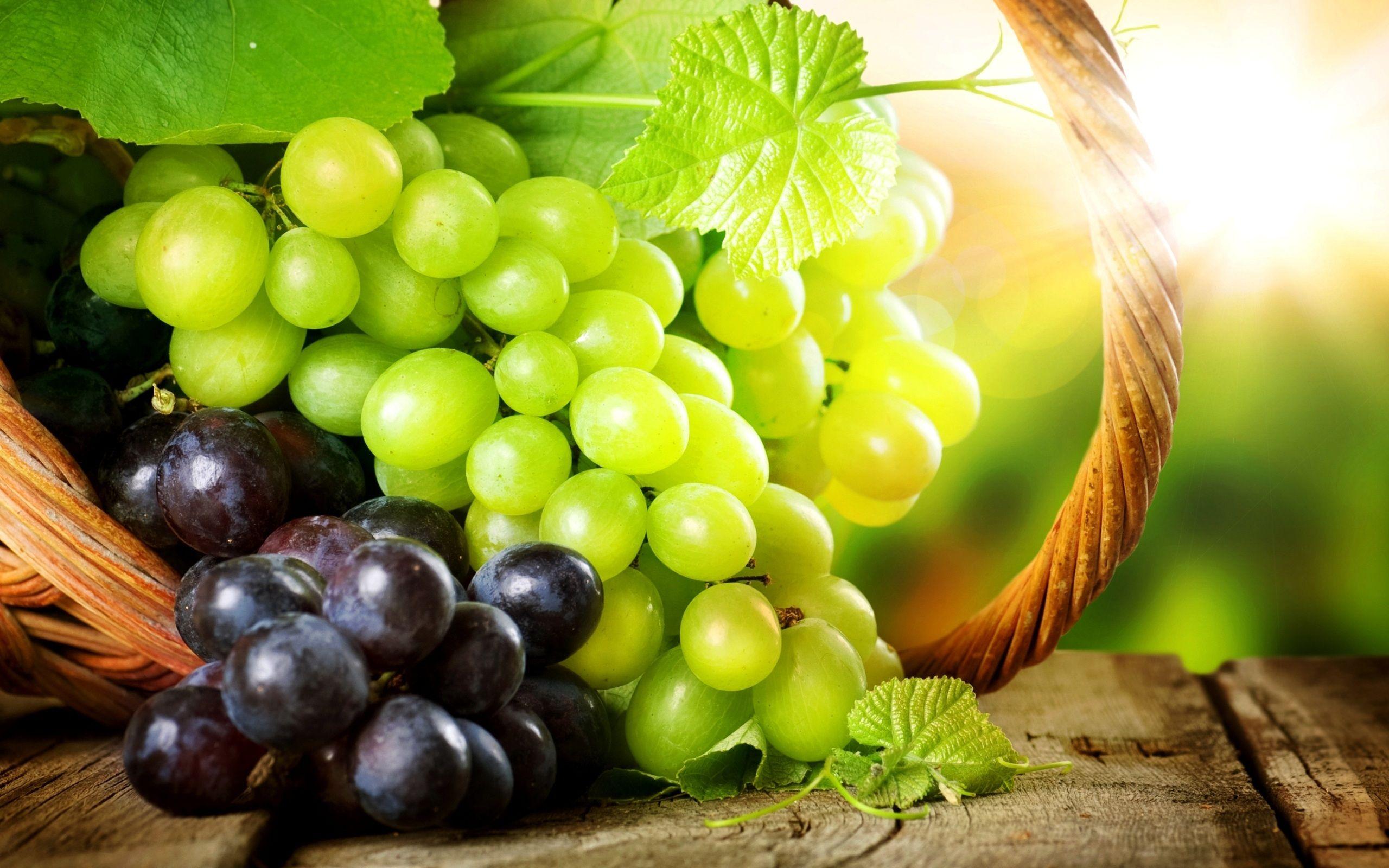
The wooden crates sit stacked high in the cool, dim air of a warehouse outside Yerevan. Inside them are thousands of bottles of Areni Noir, a deep red wine born from volcanic soil and vines that have weathered centuries. For generations, a bottle like this followed a predictable path. It traveled north. It crossed the Upper Lars border post, snaked through the snowy Caucasus mountains, and ended up on a dinner table in Moscow.
Not anymore.
Lars is closed to them now. Officially, it is a matter of sudden phytosanitary concerns—a sudden bureaucratic panic over pests or paperwork. Unofficially, everyone knows the truth. When Armenia chose to pivot toward the West, the northern border hardened. The economic life support system of a nation was cut with the stroke of a pen.
This is what geopolitical realignment looks like when it hits the ground. It does not look like flags waving or treaties being signed in mirrored halls. It looks like a winemaker standing in a silent warehouse, looking at a harvest that has nowhere to go. It feels like the cold knot of panic in a farmer’s stomach when his primary market vanishes overnight.
But geopolitical vacuums do not stay empty for long.
The Cost of a Sudden Border
To understand how a bottle of wine becomes a casualty of international statecraft, consider the sheer weight of dependency. For decades, Armenia’s economic reality was tethered to Russia. It was a comfortable, if suffocating, arrangement. More than eighty percent of Armenia’s agricultural exports moved northward. The roads were familiar. The buyers were known. The system worked, right up until the moment it became a weapon.
When the Armenian government began exploring closer ties with the European Union, seeking to diversify its security and its economy, the retaliation was swift. The trucks stopped at the border. Perishable fruit rotted in the sun. Wine stayed in its casks.
Consider a hypothetical exporter named Karen. He represents hundreds of real farmers across the Ararat Valley. For ten years, Karen’s business model was simple: grow, harvest, ship north. He did not need to know the complex regulations of the European single market. He did not need to print labels in French or German. He had one massive, hungry neighbor.
Then came the ban.
Suddenly, Karen’s entire livelihood was illegal in the eyes of his biggest customer. The shockwave tore through the rural economy. If you cannot sell the harvest, you cannot pay the pickers. If you cannot pay the pickers, the local grocery store goes quiet. The school cannot afford new heating oil. The entire ecosystem of a village begins to unravel.
The problem was not just a lack of buyers. It was a lack of infrastructure. You cannot simply point a convoy of trucks west instead of north. Europe is far away. The standards are incredibly strict. The bureaucratic hurdles are towering. Armenia was trapped between a vengeful neighbor and a distant, highly selective Western market.
The Brussels Intervention
Then, Brussels stepped into the quiet.
Recognizing that an economic collapse in the South Caucasus would destabilize the entire region, the European Union began quietly drafting an unprecedented trade relief package. It was not a handout. It was a structural lifeline.
The strategy behind the EU’s intervention is complex, but it boils down to a fundamental shift in how trade relief operates. Instead of merely sending financial aid—which acts as a temporary bandage on a gaping wound—the European Commission looked at the regulatory barriers preventing Armenian goods from entering the West.
The EU decided to slash tariffs and streamline customs procedures. They sent teams of agricultural experts to Yerevan to train local producers on how to meet strict European food safety standards. They began funding new transport corridors, looking at routes through Georgia and across the Black Sea to bypass the blocked northern routes entirely.
It is a massive logistical puzzle. For an Armenian winery, meeting EU standards means replacing old bottling equipment, testing for chemical residues with pinpoint accuracy, and redesigning labels to fit stringent consumer protection laws. It is expensive, tedious, and frustrating work.
But the alternative is extinction.
The real challenge lies in the psychology of trade. Western European consumers do not automatically look for Armenian products on the shelves of their local supermarkets. They look for French wine, Italian tomatoes, Spanish fruit. Armenia has to build a brand from scratch under the intense pressure of an active economic blockade.
The Friction of the New Route
The transition is far from smooth. Let us look closely at the physical journey a crate of goods must take now.
Instead of a straight drive north through the mountains, that crate must now travel west into Georgia. It must be loaded onto a container ship at the port of Poti or Batumi. It must cross the unpredictable, stormy waters of the Black Sea to Romania or Bulgaria. From there, it enters the sprawling highway network of the European continent.
It takes longer. It costs more. Every transfer point is a chance for something to go wrong, for a temperature-controlled container to fail, or for bureaucratic red tape to snag a shipment.
Yet, something fascinating is happening along this arduous new path. The forced pivot is driving a massive wave of modernization. Armenian businesses are upgrading their facilities at a frantic pace. They are adopting digital supply chain tracking. They are learning the language of global commerce, rather than relying on the legacy networks of the old Soviet sphere.
The long-term stakes extend far beyond the balance sheets of agricultural firms. This is a test case for a larger global question: Can a small, landlocked nation successfully change its geopolitical orbit when its giant neighbor decides to squeeze it dry?
The View from the Soil
Back in the vineyards, the dirt does not care about Brussels or Moscow. The soil requires tending regardless of who holds the pen in trade ministries.
The farmers are adapting because they have no choice. Some are grafting new grape varieties onto their old vines to appeal to European palates. Others are banding together into cooperatives to share the high cost of the European-certified testing labs. There is a gritty, resilient optimism taking root alongside the crops.
The dependency that once felt like security is now recognized for what it was: a cage. The current crisis, painful as it is, has broken the lock.
The trade relief from the European Union is not a guarantee of success. It is merely an open door. Walking through it requires a complete reinvention of how a nation produces, packages, and thinks about its place in the global economy. The transition is messy, expensive, and filled with daily anxieties.
But as the new transport routes begin to crystallize, those wooden crates in the Yerevan warehouses are starting to move again. They are moving slower, and the destination is unfamiliar, but they are moving west. The northern border remains closed, but the horizon has suddenly grown much wider.