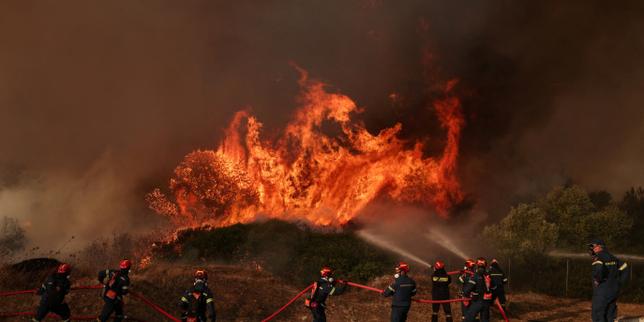
Smoke rolls over the olive groves again. Every summer, Greece watches its hills burn while the same tired debate flares up on television screens and political talk shows. Politicians promise change. Citizens grab garden hoses. The trees turn to ash anyway.
You hear the same excuse year after year: extreme weather, climate change, shifting winds. But look closer at the front lines. The real crisis isn't just meteorological. It is human. Greece suffers from a severe, structural shortage of boots on the ground, leaving professional firefighters stretched dangerously thin before the fire season even hits its peak.
The Human Cost of Understaffing
Wildfires don't fight themselves from a desk in Athens. You need people on the ridges, cutting firebreaks, dragging heavy hoses through rugged terrain, and watching for spot fires. Yet, Greek fire services have operated under massive personnel deficits for years.
Thousands of vacancies remain unfilled. When a blaze breaks out in Evia or the Peloponnese, local brigades are forced to pull double shifts, sometimes working for days straight without proper sleep. Fatigue kills concentration. In a profession where fractions of a second matter, exhaustion is a fatal liability.
Contract workers and seasonal firefighters bear the brunt of this burden. They sign up for grueling months of high-risk labor, only to be let go when the cooler weather arrives, leaving the workforce chronically depleted. It is a revolving door that strips the service of institutional memory and veteran experience.
Why Aerial Support Fails to Fix the Ground Problem
Governments love buying water-dropping planes. They look impressive on the evening news. A fleet of Canadair aircraft roaring over a burning pine forest provides a clean, high-tech narrative.
Planes cannot hold a perimeter.
Water dropped from the sky slows a fire down, but it takes ground crews to extinguish it completely. If you don't have enough firefighters to secure the flanks, the flames simply creep around the wet zone and flare up again the moment the wind shifts. Relying entirely on aviation assets while ignoring ground staffing is like trying to plug a sinking ship with a water pistol.
Independent forestry experts and union representatives have pointed this out repeatedly. Their warnings are routinely ignored until the smoke clears and the political pressure fades.
The Training and Retention Crisis
It takes years to forge an effective wildland firefighter. Physical endurance is only half the battle. You need tactical awareness, radio discipline, and a deep understanding of how fire behaves in Mediterranean scrubland and steep canyons.
When pay is low and working conditions are punishing, recruitment suffers. Why risk your life for seasonal wages when other sectors offer stability?
Retention becomes impossible. Veterans leave for safer jobs or emigrate. New recruits are thrown into catastrophic fires with minimal preparation. This experience gap leads to tactical errors, communication breakdowns, and increased casualties among first responders.
Moving Past Empty Promises
Fixing this crisis requires a complete overhaul of emergency spending priorities. The funds spent on flashy temporary rentals of foreign aircraft need to go toward permanent, professionalized ground recruitment.
Greece must convert seasonal roles into permanent, year-round positions. Firefighters shouldn't have to worry about paying rent during the winter months. They should be clearing brush, maintaining equipment, and training new personnel during the off-season.
Local communities also need better integration. Volunteer groups play a massive role, but they cannot replace trained professionals. They need formal coordination, proper gear, and direct communication channels with regional commanders.
Until the state values the person holding the nozzle as much as the machine dropping the water, the hills will keep burning. The debate is over. The missing workforce is the only firebreak that matters.


