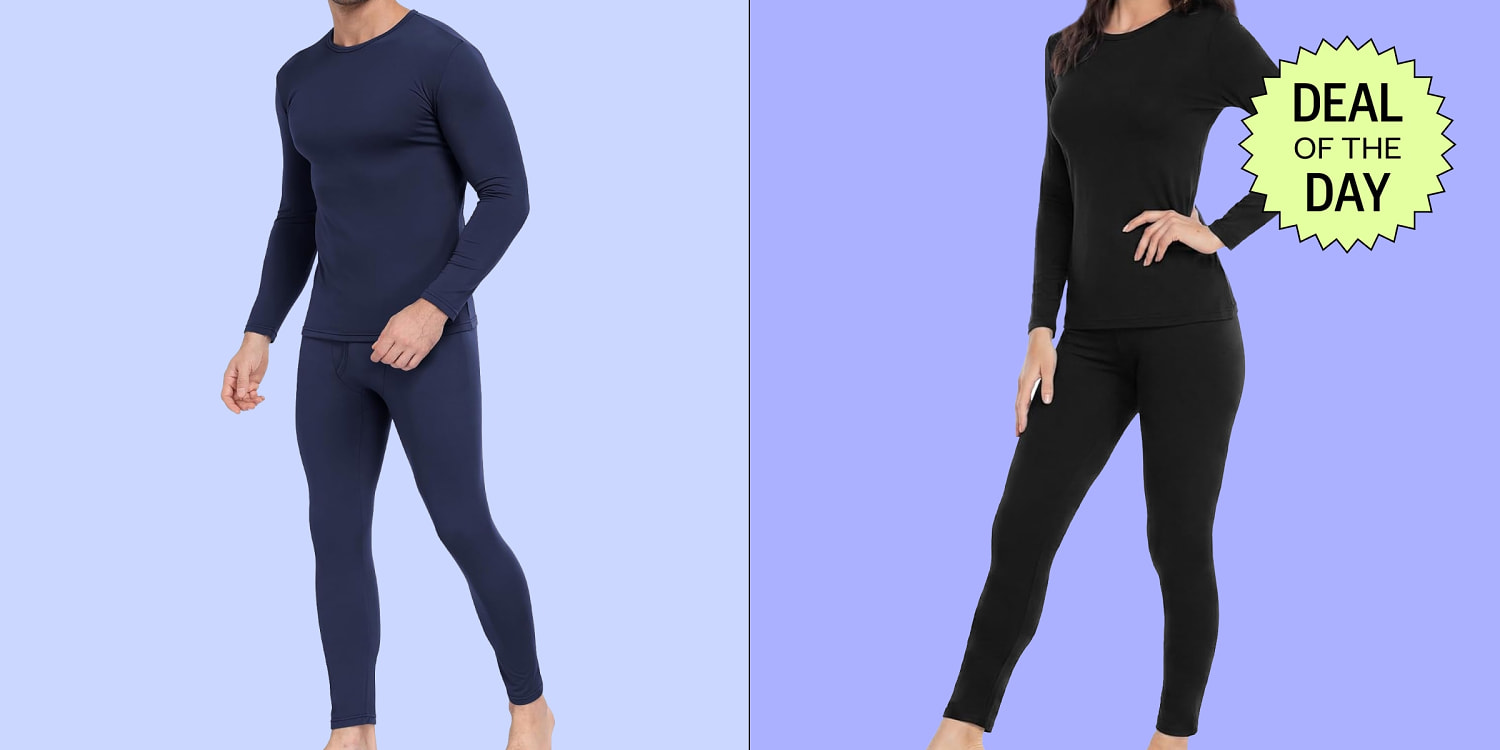
You have seen the advertisements flickering across your screen during a heatwave. Retailers are slashing prices on heavy-duty thermal underwear by nearly half, practically begging you to take the inventory off their hands while the mercury climbs toward ninety degrees. It looks like a simple clearance sale, but for those who understand the mechanics of the retail calendar, it is a calculated move driven by warehouse physics and the crushing weight of holding costs. Buying thermal base layers in the sweltering heat of summer is not just a quirky habit of the thrifty; it is one of the few instances where the consumer wins a tactical victory against the retail machine.
The reason these garments appear at steep discounts in July is rarely about generosity. It is about floor space and liquidity. Big-box retailers and specialty outdoor brands operate on rigid, unforgiving supply chain cycles. When a store carries winter inventory during summer, they are doing more than just wasting space. They are locking up capital. Every cubic foot of shelf or storage space occupied by a box of unsold merino wool leggings is a cubic foot that cannot be used for high-turnover summer inventory like shorts, swimsuits, or camping gear. In the retail world, stagnating inventory is a slow-motion disaster. By marking these items down by fifty percent, retailers are effectively paying the consumer to clear their backrooms so they can reset their floor for the upcoming autumn transition. Don't miss our earlier article on this related article.
Do not mistake these markdowns for lower-quality goods. In many cases, these are the exact same high-performance base layers that will be sold at full retail price in November. The fabric technology—typically a sophisticated blend of synthetic polyesters for moisture management or high-grade merino wool for natural temperature regulation—remains unchanged. These fibers work by creating a microclimate against your skin. By trapping small pockets of air between your body and the fabric, thermal wear acts as a barrier against heat loss, even while the moisture-wicking properties pull sweat away to prevent the chilling effect of dampness. Whether the tag says August or December, the science of thermal conductivity stays the same.
However, navigating these summer sales requires a disciplined eye. Not all discounts are created equal. Retailers often clear out seasonal colors or specific cuts that did not meet sales targets, but they also use this time to cycle through core staples. If you are shopping for these items, prioritize function over aesthetic. A black or neutral-toned base layer will perform exactly as well as a neon yellow one, and it is far more likely to remain a wardrobe staple for years to come. If you want more about the history of this, Refinery29 offers an in-depth summary.
There is a secondary, often overlooked factor at play: the cost of holding inventory. Warehousing is expensive. As energy prices fluctuate, the cost to keep a climate-controlled distribution center or retail space at an optimal temperature adds to the overhead of every item sitting on the rack. When a product sits unsold for six months, the financial burden compounds. By liquidating these items early, brands offload the liability of carrying that weight into the winter season.
Hypothetically, consider a mid-sized outdoor retailer with ten thousand units of thermal underwear left over from the previous winter. If they hold that stock until October, they pay for six months of insurance, utilities, and potentially lost opportunity costs. If they dump that stock in July at a steep discount, they recover cash immediately. That cash can then be reinvested into spring or summer products that actually sell during the current season. You are essentially capitalizing on the retailer’s desperate need to regain liquidity before the next major buying season arrives.
When you purchase these items, be wary of the "bargain trap." A deeply discounted item is only a value if it serves a purpose. There is a temptation to buy because the number on the price tag is low, but if the garment does not fit the layering system you actually use, it becomes clutter. Effective layering requires a foundational base layer that sits close to the skin, a mid-layer to provide insulation, and an outer shell to manage the elements. If you are buying a thermal top, ensure it fits snugly enough to wick moisture effectively. If it is too loose, it fails to move sweat away from the body, and if it is too tight, it can restrict movement and blood flow.
The industry’s push toward massive seasonal clearance also highlights a deeper, more structural issue in fashion production: overproduction. Brands often manufacture far more than they can reasonably sell, hoping to capture every segment of the market. When those projections miss the mark, the result is the discount cycle you see today. While this benefits you as a consumer seeking a deal, it is a symptom of a system struggling to balance demand with supply.
This environment makes it harder for smaller, sustainable brands to compete. Companies that focus on smaller batches and higher quality often cannot afford to cut their prices by half without losing money on every unit sold. If you find a brand that you admire, understand that their full-price items are often a reflection of a more intentional, less wasteful production cycle.
If you are looking for long-term reliability, look for materials that prioritize durability. Synthetic materials like polyester are often favored for their resilience and resistance to abrasion. They hold their shape after dozens of wash cycles. Natural fibers like merino wool, while often more expensive, offer superior odor resistance and thermoregulation. Both have their place. The choice ultimately depends on whether your activities are high-intensity, where moisture management is the primary goal, or lower-intensity, where retaining as much warmth as possible is the priority.
Avoid the urge to panic-buy when winter arrives. By the time the first real frost hits, the inventory you see on shelves will be priced at a premium, and the best sizes will be picked over. The current summer sales provide a brief window to acquire high-quality gear for a fraction of its utility value. The inventory is sitting there, occupying space that the store owners would rather reclaim. They want the items gone. Make your move before the stores begin their transition to fall, and you will secure the supplies you need long before the temperature forces everyone else into a frantic, full-price buying rush.