Beijing recently made a grand gesture that captured headlines across the globe. By expanding its zero-tariff policy to cover 100 percent of tariff lines for least developed countries, including dozens of African nations, China positioned itself as the ultimate champion of Global South development. The official narrative suggests a sudden, magnificent opening of the massive Chinese consumer market to African farmers, artisans, and entrepreneurs. State media painted pictures of crates of fresh Kenyan avocados, Ethiopian coffee, and Rwandan chili peppers flowing effortlessly into supermarkets in Shanghai and Beijing, balancing a historically lopsided trading relationship.
It is a compelling story. It is also incomplete.
Underneath the diplomatic handshakes and the impressive statistics lies a much more complex, calculating economic reality. While eliminating import duties on paper sounds like a massive concession, a closer inspection of trade mechanics, customs regulations, and historical shipping data reveals that this policy is less about altruistic development and more about securing supply chains. Beijing is consolidating its grip on critical raw materials while maintaining sophisticated, non-tariff barriers that protect its domestic markets from actual foreign competition. For African nations seeking to industrialize, the zero-tariff regime may end up locking them even deeper into their traditional roles as suppliers of raw commodities.
The Raw Material Pipeline Under a Generous Label
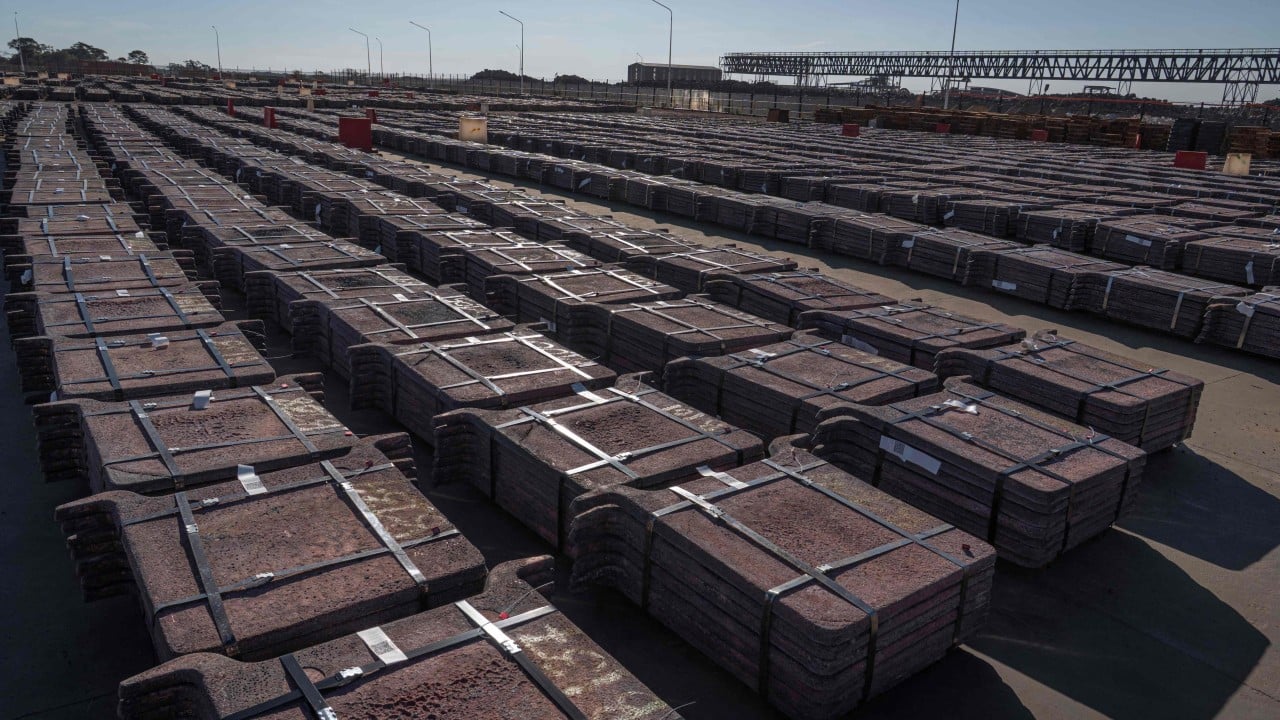
To understand why the zero-tariff policy has not triggered an industrial revolution in Africa, one must look at what Africa actually exports to China. Over 80 percent of African exports to the Chinese mainland consist of crude oil, copper, cobalt, iron ore, and other unrefined mineral resources.
These are not the kinds of goods that governments normally hit with high tariffs anyway.
China is the manufacturing hub of the world. Its industrial machine has an insatiable appetite for energy and metals. Slapping tariffs on raw copper from Zambia or cobalt from the Democratic Republic of Congo would only hurt Chinese factories by driving up their production costs. Consequently, these vital resources have entered China duty-free, or at near-zero rates, for decades.
By expanding "zero-tariff" status to all products from least developed nations, Beijing took a pre-existing economic necessity and repackaged it as a grand act of diplomatic generosity. The actual tax savings for African exporters on these primary commodities are negligible because the barriers were already low. The policy change primarily serves to formalize and secure the long-term flow of these resources, ensuring that African mining operations remain locked into Chinese supply chains at a time when Western powers are frantically trying to secure their own critical mineral pathways.
The Silent Gatekeepers of the Chinese Market
What about agriculture and manufactured goods? These are the sectors where African economies desperately need growth to create jobs for their young populations. The zero-tariff policy supposedly covers these areas, offering duty-free access to everything from processed foods to textiles.
Yet, the actual volume of these goods entering China remains minuscule. The reason is a highly effective wall of non-tariff barriers, specifically sanitary and phytosanitary measures.
Before a single African avocado, mango, or piece of beef can land in China, the exporting country must sign a bilateral quarantine agreement with the General Administration of Customs of China. This is where the process slows to a crawl. The technical requirements imposed by Chinese regulators are notoriously stringent, often demanding levels of pest control, cold-chain infrastructure, and packaging standards that small-scale African farmers cannot afford.
Consider the case of Kenyan avocados. For years, Kenyan growers celebrated trade agreements that promised access to the Chinese market. However, initial Chinese regulations mandated that avocados could only be exported if they were frozen to minus 18 degrees Celsius and peeled. This requirement effectively barred the vast majority of Kenyan farmers who lacked access to expensive industrial freezing facilities. While these rules were eventually relaxed to allow fresh exports, the years of delay illustrated how administrative hurdles can easily neutralize tariff concessions.
These technical barriers are not necessarily malicious, but they are highly effective gatekeepers. They ensure that while the front door of tariff elimination is thrown wide open for public relations purposes, the side door of technical compliance remains firmly bolted.
The Persistent Deficit That No Policy Can Fix
Even with zero tariffs, the structural imbalance between China and African nations remains staggeringly wide. China exports high-value manufactured goods, machinery, electronics, and synthetic textiles to Africa. Africa exports low-value raw materials back.
This is an unequal exchange. A country cannot balance its trade ledger by exporting raw sesame seeds to pay for imported telecommunications infrastructure.
Furthermore, the influx of cheap Chinese manufactured goods into African markets continues to challenge local manufacturing. From textile mills in Nigeria to shoe factories in Ethiopia, local producers find it incredibly difficult to compete with the sheer scale and efficiency of Chinese industrial output. When a domestic market is flooded with inexpensive imported goods, local industries struggle to find their footing, let alone build the capacity to export back to China.
This dynamic creates a frustrating cycle. African countries export raw materials to China, where they are processed into high-value goods, some of which are then sold back to Africa. The value-added wealth, the technical expertise, and the high-paying manufacturing jobs stay in Shenzhen and Shanghai, while the environmental costs of extraction remain in Africa.
The Strategic Dividends of Economic Benevolence
If the economic benefits to African nations are uneven, the strategic benefits to Beijing are clear and immediate. This policy is a masterclass in soft power diplomacy.
At international forums, China can point to its unilateral tariff exemptions as proof that it treats African nations as equal partners, contrasting its approach with the conditional aid and trade frameworks often offered by Western institutions. This builds immense goodwill among African political elites.
That goodwill translates into reliable support in multilateral institutions. Whether in votes at the United Nations or in securing backing for international appointments, the diplomatic capital earned through initiatives like the zero-tariff policy is invaluable to Beijing.
There is also the matter of securing agricultural supply lines. As geopolitical tensions with traditional agricultural suppliers like the United States and Australia fluctuate, China is actively seeking to diversify its food imports. Encouraging African agricultural development under Chinese terms provides Beijing with a strategic backup plan for its food security.
Changing the Dynamic from Within
If African nations are to truly benefit from Beijing's trade policies, the focus must shift from celebrating tariff reductions to aggressively building domestic capacity. Tariff-free access is useless if a country lacks the roads to transport goods to ports, the electricity to run processing plants, or the laboratories to certify that food exports meet international safety standards.
African governments must negotiate as a unified bloc rather than signing piecemeal bilateral agreements that allow Beijing to dictate terms. The African Continental Free Trade Area offers a potential framework for this collective bargaining, but it requires political will to harmonize standards and prioritize regional value chains.
Until African nations can process their own raw materials and meet the strict regulatory demands of global markets, zero-tariff policies will remain a brilliant piece of economic theater. They offer the illusion of open trade while keeping the old, extractive colonial-style economic structures perfectly intact.