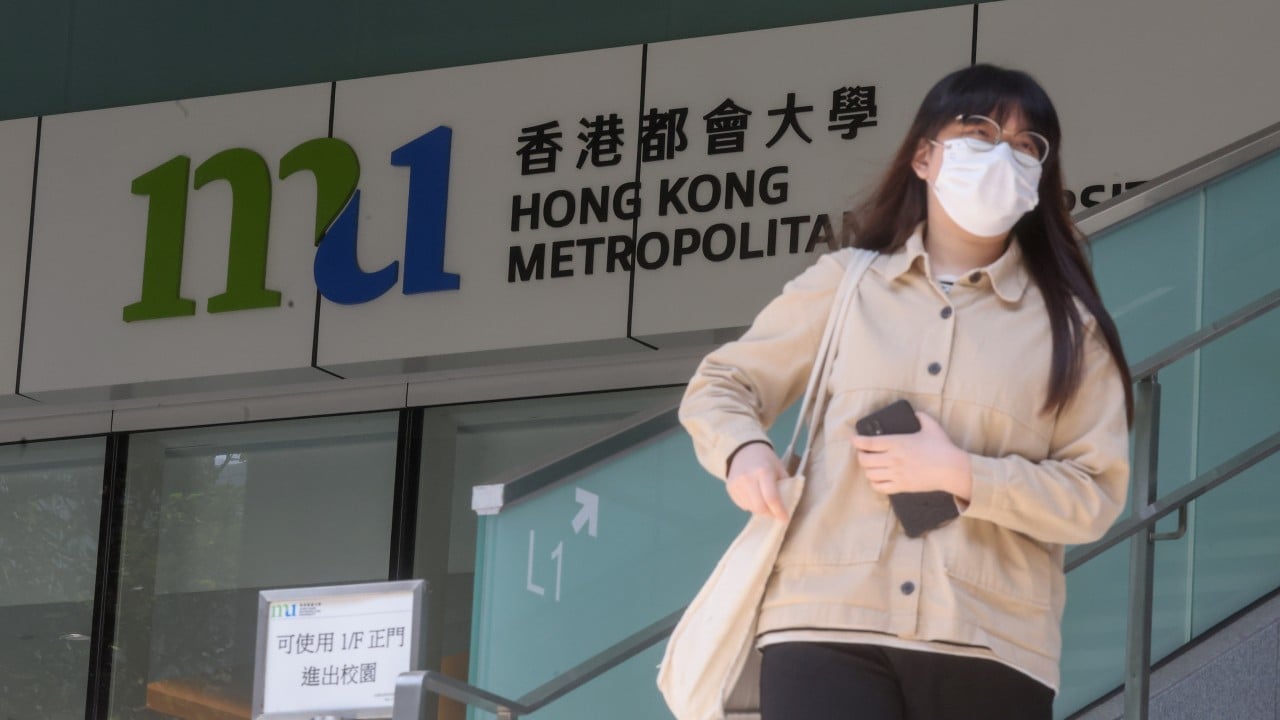
The HKMU cyber breach isn't just a campus IT headache
Around 5,000 people tied to Hong Kong Metropolitan University (HKMU) may have had personal data exposed after the institution flagged an information security incident discovered on November 4, 2026. If your name, address, birth date, or fee records sat inside that batch, you're probably wondering one thing right now. Are scammers already building a pitch around your details?
Honestly, yes, they might be. Even when bank account numbers aren't part of a leak, exposed personal records give crooks something far more dangerous than raw numbers. They get context. A stranger who knows where you live, when you were born, and how much you paid in tuition or fees sounds eerily legitimate when they call or message you out of nowhere. For a different perspective, check out: this related article.
I've watched plenty of victims get burned after data leaks because they assumed "no bank details leaked" meant "no real risk." That's backwards. Attackers rarely need your bank routing number on day one. They use your personal profile to earn your trust, push a fake urgency, and trick you into handing over money, passwords, or one-time passcodes yourself.
And the timing couldn't be worse. Across Hong Kong in November 2026, cyber incidents hit an astonishing range of targets, from insurer OneDegree and Gleneagles Hospital to ticketing systems, retailers, and education bodies. A breach at HKMU doesn't sit in a vacuum. Once your details circulate alongside data from other leaks, scammers stitch those fragments together to make spear-phishing and impersonation feel shockingly personal. Further coverage on the subject has been published by ZDNet.
Why exposed school records turn into convincing scams
People picture hackers kicking down a vault and draining accounts overnight. In real life, post-breach fraud usually plays out like a slow-burn social engineering campaign.
Say a scammer has your full name, date of birth, mailing address, and tuition payment history. Suddenly, a text or email arrives claiming a fee was double-charged, a refund failed, or an account needs a "verification" payment to release funds. Parents and guardians who help pay tuition get hit with these lures too. Faculty and staff aren't immune either, since payroll, HR, or reimbursement notices are easy to fake.
Then there's the fake security alert. Right after a breach hits the news, scammers love sending messages that look like urgent university or IT warnings. The pitch is simple. Click here to reset your password or secure your profile. Instead of protecting your account, that page harvests your current password or session token.
Impersonation calls take it a step further. Someone rings you, drops a couple of accurate personal facts to prove they aren't guessing, and claims to be from university administration, a regulator, or law enforcement. Their goal is almost always the same: get you to transfer funds, buy gift cards or crypto, or read out a verification code sent to your phone.
Even SIM swap risk rises when basic identity fields leak. Mobile carriers sometimes verify account changes over the phone using personal details like your name, birth date, and address. If an attacker convinces a carrier to port your number to a new SIM, they can intercept SMS one-time codes meant for your banking or email accounts.
Conflicting leak claims and why caution matters
Whenever a breach breaks, dark web chatter and rumor mills spin up fast. Public reporting on HKMU's November 2026 incident points to roughly 5,000 people potentially affected, while separate cyber threat feeds and forum listings have circulated much larger figures or claims about exposed databases and system access.
Here's where you have to keep a cool head. Threat actors exaggerate, recycle old dumps, or bundle unverified claims to drive attention and extortion pressure. Unless an official investigation or verified forensic finding confirms broader scope, treating every rumor online as settled fact only creates panic.
At the same time, don't chase down leak links or try to inspect stolen files yourself. Looking for your own name on shady forums or leak sites frequently exposes visitors to malware, credential stealers, or extortion traps. Plus, handling stolen personal data is a bad idea legally and ethically. Let official notices, regulators, and cybersecurity responders handle verification while you focus on locking down your own accounts.
What the HKMU breach reveals about modern security gaps
If you look at the broader wave of incidents across Hong Kong in late 2026, a clear pattern stands out. The Hong Kong Computer Emergency Response Team Coordination Centre (HKCERT) has highlighted how data spread across interconnected platforms and third-party vendors creates wider exposure when one link weakens. Meanwhile, Privacy Commissioner Ada Chung and local authorities have pointed to a surge in attacks, noting how artificial intelligence helps attackers scale campaigns and exploit software communication flaws.
Universities sit in a uniquely tricky spot. They aren't closed corporate bunkers. They run sprawling portals for current students, alumni, applicants, parents, researchers, and staff, often stitched together with legacy systems and external service providers. Keeping thousands of records locked down across all those touchpoints is genuinely hard work.
Yet there's also a policy debate worth noting. Under Hong Kong's Personal Data (Privacy) Ordinance as of November 2026, organizations haven't faced a blanket statutory mandate to report every breach to the Office of the Privacy Commissioner for Personal Data (PCPD), though the watchdog encourages notification and warns organizations to tighten protections. Critics and privacy advocates regularly argue that voluntary notification and uneven security maturity leave individuals playing catch-up after their data is already out in the wild. Others counter that rigid rules alone won't stop clever attackers if organizations don't invest in basic engineering, access controls, and rapid incident response. Both sides have a point, and students and staff end up carrying the cleanup burden either way.
Practical steps to protect yourself right now
You can't un-leak information that may have been exposed, so don't waste energy stressing over what you can't change. Focus on cutting off the ways attackers turn your details into money or account access.
- Reset passwords directly, never via links: If you use an HKMU portal or email, go to the official website yourself in a clean browser tab and change your password. Never click a password-reset link inside an email, text, or chat message—even if it claims to be a breach update. If you reused that password anywhere else, change it there too.
- Upgrade your multi-factor authentication: Move away from SMS codes where possible and use an authenticator app or hardware key. Ask your mobile carrier to set up a security PIN or password on your phone line so unauthorized SIM swaps are much harder to pull off.
- Verify money and fee requests independently: Treat any unexpected message about tuition refunds, overpayments, grants, payroll changes, or urgent transfers as suspicious until proven otherwise. Look up the official phone number or directory yourself and call to verify.
- Brief your family: If parents, spouses, or relatives pay your fees or appear on emergency contacts, give them a quick heads-up. Scammers love targeting family members who feel pressured to "fix" a sudden billing problem quickly.
- Keep receipts of anything suspicious: Save screenshots, caller IDs, email headers, and payment records if someone tries to extort you or impersonate an official. Don't pay or negotiate with extortionists. If money moves or fraud happens, contact your bank right away and report it to the police (in Hong Kong, you can also call the police Anti-Scam Helpline on 18222 for guidance).
Stay skeptical of urgent messages quoting your personal facts—even when they sound like they know everything about you.


