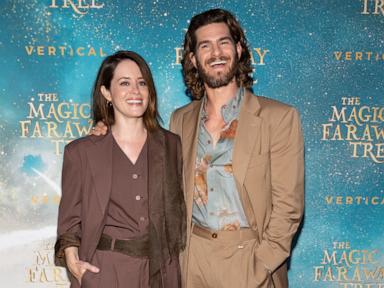
The industry consensus on adaptations is lazy, sanitized, and deeply afraid of its own shadow. When trade publications breathlessly report that Andrew Garfield is set to find wonder in everyday life in The Magic Faraway Tree, they are selling you a comforting fable. They want you to believe that adapting classic children's literature is a delicate act of preservation, a gentle translation of childhood innocence for modern, enlightened audiences.
It is a lie.
What Hollywood actually does is strip the teeth out of foundational texts until nothing remains except a shiny, plastic corporate brand. Enid Blyton was never about safe, toothless wonder. She was eccentric, wildly imaginative, and fundamentally weird. Yet, the current cinematic machine treats her work like a pharmaceutical product designed to soothe anxious parents rather than captivate children.
Let us dismantle the prevailing narrative.
The Manufacturing of Manufactured Wonder
We are told that casting high-caliber prestige actors in whimsical fantasy projects elevates the material. Garfield is a generational talent. His work in grief-driven dramas and intense biographical features proves he can wring emotion out of a brick wall. But dropping a heavyweight dramatic actor into a high-concept adaptation of a century-old children's book does not magically inject soul into a production line. It is a cynical casting flex. It tells you that the studio knows the script cannot stand on its own merits, so they hired an Oscar nominee to act as a human shield against critical backlash.
Wonder cannot be manufactured in a writer's room by committee. When every beat of a magical tree, a shifting land at the top of the branches, and a collection of eccentric woodland neighbors is run through twelve layers of executive notes, the rough edges vanish. Those rough edges are precisely where the art lives.
Blyton’s original stories worked because they were strange, occasionally harsh, and deeply rooted in a kind of raw domestic anarchy. Moon-Face, Silky, and the Saucepan Man were not sanitized avatars for emotional growth; they were bizarre entities with distinct, sometimes annoying personalities. Modern cinema hates annoying characters. Every character in a multi-million-dollar IP play must have a clear emotional arc, a trauma to resolve, and a relatable takeaway for the four-quadrant demographic.
Stop pretending this is faithful adaptation. It is homogenization.
The Cult of Whimsical Escapism
Look at how the entertainment press frames these projects. They lean heavily on the language of comfort. They promise an escape from the grind, a return to simpler times, a cinematic warm bath.
This is a profound misunderstanding of why children's literature resonates in the first place. Good children's literature is terrifying. It deals with abandonment, physical danger, the terrifying vastness of nature, and the limits of adult authority. When you scrub away the friction to make a property palatable for global streaming algorithms, you kill the magic.
Imagine a scenario where a studio actually adapted The Magic Faraway Tree with the stylistic grit and uncompromising weirdness of Terry Gilliam or early Jim Henson. Imagine letting things look greasy, hand-crafted, and genuinely uncanny instead of drenched in high-gloss digital intermediate color grading that makes every leaf look like it was rendered by a GPU farm in Vancouver.
We don't get that because risk is an existential threat to modern studio finance. Every intellectual property must fit neatly into a frictionless marketing funnel.
I have watched studios spend hundreds of millions of dollars trying to capture lightning in a bottle while systematically firing anyone who suggests trying something genuinely dangerous. They want the aesthetic of quirkiness without any of the actual friction. They want the brand equity of Blyton without the ideological baggage or the weird structural pacing of episodic 1930s British children's fiction.
The Fallacy of Modernizing Classics
The standard defense from producers is that these stories must be updated for contemporary sensibilities. Let us look at what "updating" actually means in practice. It means neutering the chaos.
When you sand down the dialogue, inject modern therapeutic cadence into characters who should be eating pop-cakes with Moon-Face, and ensure every thematic beat aligns with current parental anxieties, you aren't updating anything. You are erasing the author. If an original work offends modern sensibilities or feels too eccentric for a Tuesday afternoon focus group, pick a different book. Do not take a piece of cultural history and run it through a corporate blender just to hit a quarterly content quota.
Garfield will undoubtedly give a committed, earnest performance. He always does. He will look up at the digital canopy with wide, expressive eyes and sell the illusion of discovery with every fiber of his being. But an actor's performance cannot outrun a fundamentally timid script.
The industry needs to stop treating nostalgia as an ATM that dispenses guaranteed box office returns if you shake it hard enough with famous names.
If you want wonder, stop looking for it in a board room where three dozen executives have spent six months optimizing every frame for maximum international cross-cultural compliance. Real wonder is messy, unmanageable, and refuses to sit still in a press release.
Let the trees stay strange. Or stop pretending you're adapting them at all.