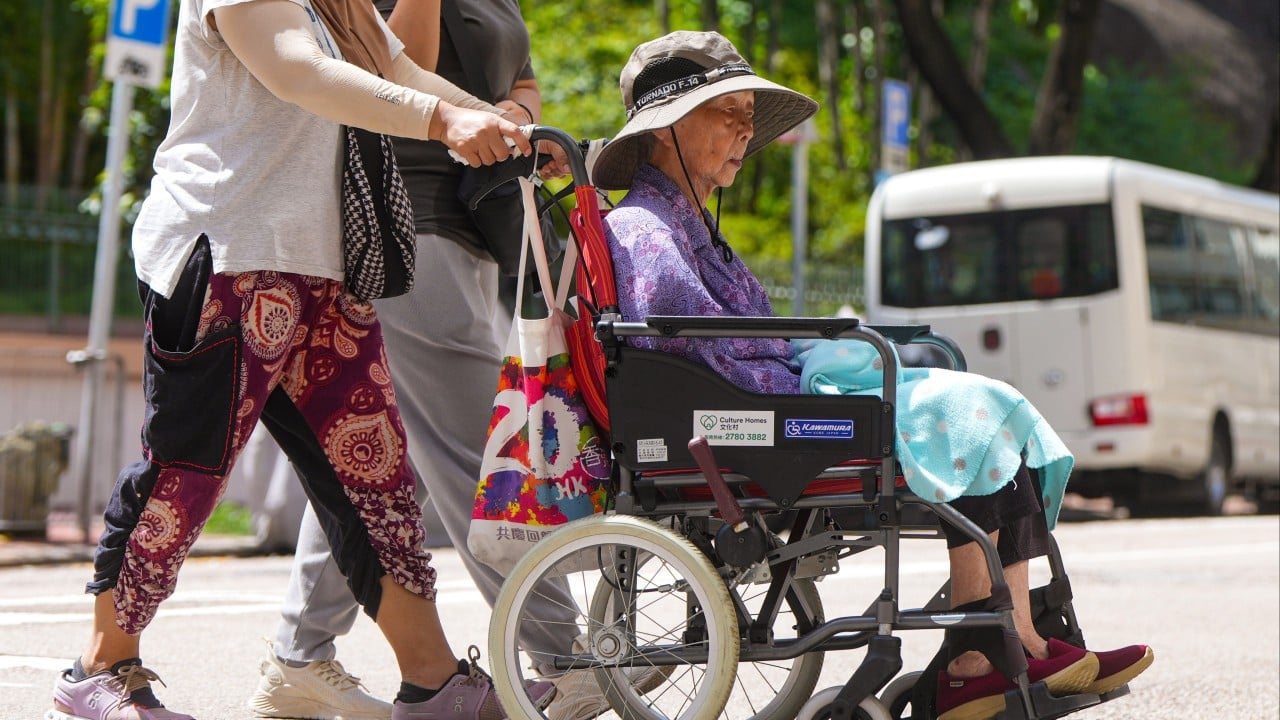
Hong Kong is aging at a pace that infrastructure simply cannot keep up with. By 2030, roughly one in every three residents will be aged 60 or older. Families are stressed, care homes have years-long waiting lists, and the traditional domestic helper market is stretched to its absolute limit. Enter the government's much-touted pilot scheme to bring in specialized foreign domestic carers for the elderly, slated to roll out gradually.
On paper, it sounds like an overdue fix. In reality, families need to look past the press releases and understand what this policy actually means for daily life.
The Reality Behind the Numbers
The core pitch of the new policy is straightforward. Announced by Chief Executive John Lee and spearheaded by Secretary for Labour and Welfare Chris Sun Yuk-han, the initiative targets households struggling to look after aging relatives. Unlike traditional domestic workers who handle general housekeeping with basic care thrown in, these specialized carers are expected to possess distinct credentials. Officials have floated requirements including roughly three years of verified experience and specialized training from accredited regional organizations.
To attract qualified workers, the government has attached a salary incentive, proposing pay rates 10 to 20 percent higher than the standard minimum wage for foreign domestic helpers.
Yet, numbers hide operational headaches. A higher salary bracket shifts the financial burden onto middle-class families already squeezed by skyrocketing housing and living costs. If you are a working professional in Mid-Levels or Sha Tin, finding an extra chunk of change each month for specialized care wages is no small hurdle.
Why Specialized Training Changes the Dynamic
We have relied on foreign domestic helpers as default caregivers for decades. Most arrive with a heart for service, but precious little medical or geriatric background. They learn on the job, often under immense stress, managing conditions like dementia, stroke recovery, and mobility loss without formal instruction.
The new pilot aims to bridge that gap by ensuring incoming workers have pre-certified skills. This sounds wonderful until you examine the bottleneck. Accredited training pipelines take time to build, vet, and scale across countries of origin like the Philippines and Indonesia.
Expect severe supply constraints during the initial rollout. When the scheme begins, demand will instantly outstrip the small-scale, phased supply the government plans to test. If you are hoping to secure a certified carer immediately, prepare for a frustrating bureaucratic queue.
The Live-In Dilemma and Household Realities
Another critical element of the scheme is its adherence to the existing live-in model. Carers will reside with the employer's family, perform standard household duties like cooking and cleaning, and operate under standard two-year contracts with designated rest days.
This creates a hidden friction point. Elderly care is physically and emotionally exhausting. Adding intense nursing duties—such as managing nighttime wakefulness, complex medication schedules, or physical rehabilitation—onto a traditional household workload risks severe burnout.
When a worker is expected to scrub floors, cook for a family of four, and monitor a bedridden senior with advanced dementia simultaneously, quality slips. True specialized care requires dedicated focus. Blurring the line between domestic helper and medical carer under a single live-in roof often results in neither job being done well.
What Families Should Do Right Now
If you are banking on this scheme to solve an impending care crisis for your parents or grandparents, stop waiting for government timelines.
First, evaluate your immediate care requirements. If your relative needs basic companionship and light assistance, the standard domestic helper market—complemented by local online training modules and community resources—remains a more flexible and immediate option.
Second, if your relative requires clinical expertise, do not rely solely on the promise of a foreign carer pilot scheme. Look into local day-care centers, subsidized residential spaces, or private nursing syndicates that offer shift-based professional care.
Hong Kong's demographic cliff is steep, and while this pilot scheme is a step toward acknowledging the crisis, it is far from a magic bullet. Plan your care strategy around current realities rather than future promises.