The Squeeze on the New Territories
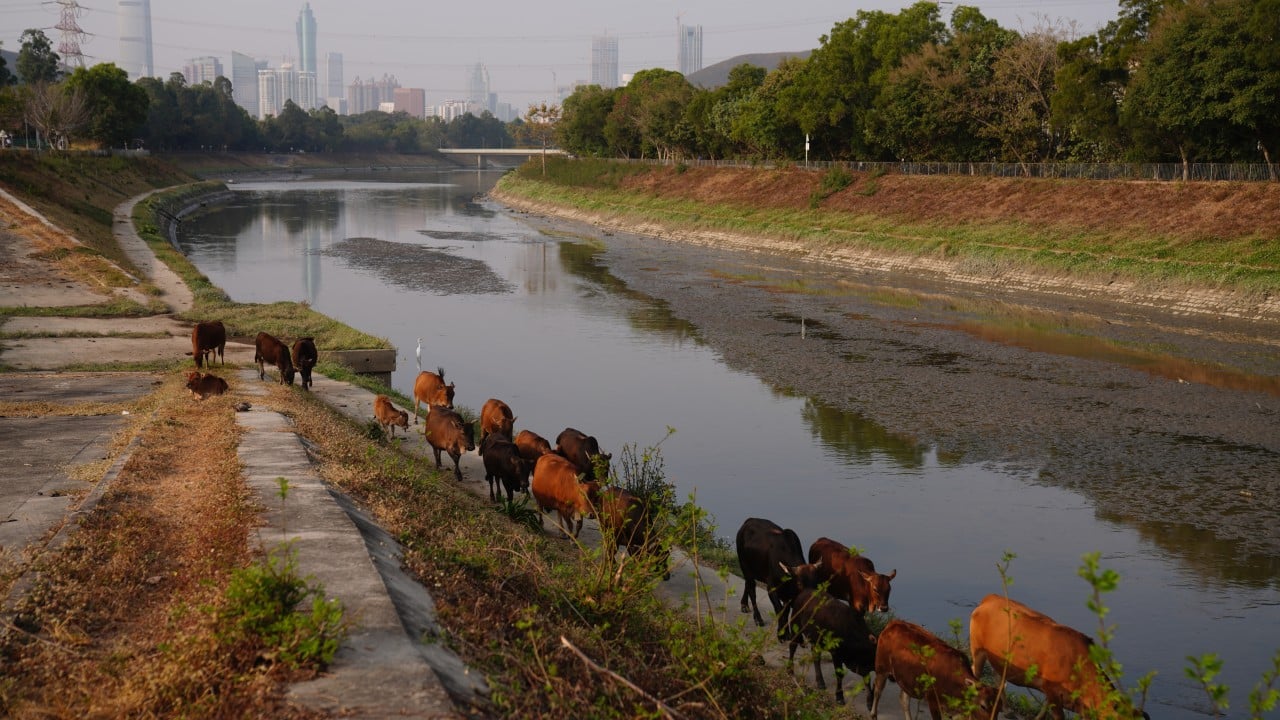
Hong Kong is running out of space. That is not a revelation; it is a permanent condition written into the geography of a territory crushed between steep mountains and the South China Sea. Yet, the pressure cooker is shifting from luxury high-rises and subdivided flats to the muddy fringes of the New Territories. Officials are pushing a mandatory licensing framework for agricultural livestock operations, ostensibly to clean up environmental hazards and modernize zoning.
Look closer. This is not just about bureaucratic paperwork or cleaning up rural runoff. This is the final phase of a decades-long real estate consolidation campaign disguised as environmental reform.
For generations, small-scale pig and poultry farmers operated in the gray zones of the New Territories. They occupied land that developers now eye for public housing projects, brownfield regeneration, and high-tech industrial parks. By introducing stringent licensing requirements, the government is creating a compliance hurdle that many traditional operators simply cannot clear.
The Economics of Compulsory Compliance
Let us look at the mechanics of the proposed licensing regime. To secure a permanent permit, livestock farmers must upgrade their waste management systems to modern, zero-discharge standards. They need advanced bio-filtration units, sealed slurry tanks, and continuous odour-monitoring equipment.
The price tag for these upgrades is staggering. For a mid-sized family pig farm, capital expenditures can easily eclipse millions of Hong Kong dollars. Banks are reluctant to extend credit against agricultural land leases that carry short terms or strict government recall clauses.
Subsidies exist on paper, but the red tape required to access them acts as an effective filter. If a farmer misses a filing deadline or fails a water quality test by a fraction of a part per million, the application stalls.
Bureaucracy does not always arrive with a wrecking ball. Sometimes it arrives with a clipboard and a three-hundred-page compliance manual.
The underlying tension involves land value. Agricultural land in the New Territories zoned for active farming generates modest returns compared to land rezoned for residential or industrial use. When a farmer surrenders their license because compliance becomes economically unviable, the land reverts to government control or falls into the hands of major land aggregators.
Food Security Versus Urban Expansion
Hong Kong imports more than ninety percent of its food. This reliance on external supply chains leaves the population vulnerable to global trade shocks, geopolitical tensions, and border disruptions. Local agricultural production has always acted as a small, vital buffer against sudden shocks.
Pork and poultry reared within the territory provide fresh protein that does not rely on cross-border logistics or refrigeration chains spanning thousands of miles.
By squeezing out local producers under the banner of environmental modernization, policymakers are trading away local food security for short-term urban development gains. The government argues that modernizing livestock farms will make them more efficient and environmentally sustainable. That is technically true for the mega-farms that survive the transition.
However, the total volume of local production is bound to shrink. Industrial-scale farming requires centralized capital and corporate backing, squeezing out independent operators who have farmed the same plots since the mid-twentieth century.
The Environmental Paradox
Proponents of the licensing push point to the persistent problem of agricultural runoff polluting local streams and coastal waters in Deep Bay and Mirs Bay. Untreated animal waste contains high levels of nitrogen and phosphorus, which trigger algal blooms and deplete oxygen in local water bodies.
This problem is real. Unregulated pig farming in proximity to residential expansions creates genuine friction.
Yet, forcing closures without offering viable relocation sites creates a perverse outcome. Instead of upgrading environmental standards locally, the production simply moves across the border into mainland Guangdong province. Hong Kong ends up importing the exact same pork, produced under potentially less transparent environmental regulations, while exporting local jobs and economic activity.
The carbon footprint of transport increases. Traceability becomes more difficult. The local agricultural heritage, what little remains of it, vanishes entirely under layers of concrete and tarmac.
The Developer's Long Game
To understand the timing of these regulations, follow the money and the master plans. The Northern Metropolis development strategy aims to transform the New Territories into a massive economic engine integrated with Shenzhen. This vision leaves no room for muddy pig pens, open-air chicken coops, and independent agricultural cooperatives.
Land resumption is expensive and politically explosive. When the government forces evictions outright, farmers protest, activists mobilize, and legal battles stall infrastructure timelines for years.
Licensing acts as a quieter mechanism. It places the burden of failure on the farmer. When an operator realizes that upgrading waste lagoons costs more than the farm will earn in a decade, they walk away voluntarily. The land clears itself.
Resistance in the Mud
Not everyone is folding. A stubborn core of veteran farmers has spent decades fighting zoning changes, land reclamation threats, and shifting municipal codes. They know the soil chemistry of the New Territories better than any urban planning consultant sitting in an air-conditioned office in Admiralty.
These operators are forming loose coalitions to challenge the technical feasibility of the new standards. They argue that the government's baseline requirements are modeled on large-scale European or North American facilities that bear no relation to the spatial constraints of Hong Kong.
They are demanding phased transition periods, realistic financial backing, and designated agricultural zones protected from future rezoning initiatives. Without these concessions, the licensing framework will function as a phased liquidation of local agriculture.
The bulldozers are waiting in the wings, and the paperwork is already signed.
:max_bytes(150000):strip_icc()/ar-American-Cheese-taste-test-horizon-4x3-54cc339550cd44b9a818c17bdfd5428d.jpg)