Official diplomatic channels between Washington and Beijing are often frozen solid by political posturing and domestic theater. When formal talks stall, the real work of avoiding catastrophic miscalculation usually happens away from the cameras. This is where unofficial diplomacy takes over. While politicians grandstand for their home audiences, pragmatic intermediaries quietly keep communication lines functional.
Hong Kong occupies a unique structural position in this dynamic. It isn't just a financial hub or a geographic crossroads; it's the natural incubator for Track 1.5 and Track 2 diplomacy between the world's two superpowers. Critics often write off the city's modern geopolitical utility, but they miss how informal backchannels actually function on the ground. If you found value in this article, you might want to look at: this related article.
The Mechanics of Track 1.5 Diplomacy
Official government meetings are weighed down by rigid protocols, public expectations, and the constant fear of appearing weak. When a cabinet secretary or a senior diplomat sits across the table from a rival counterpart, every word is parsed for domestic consumption. Progress becomes nearly impossible.
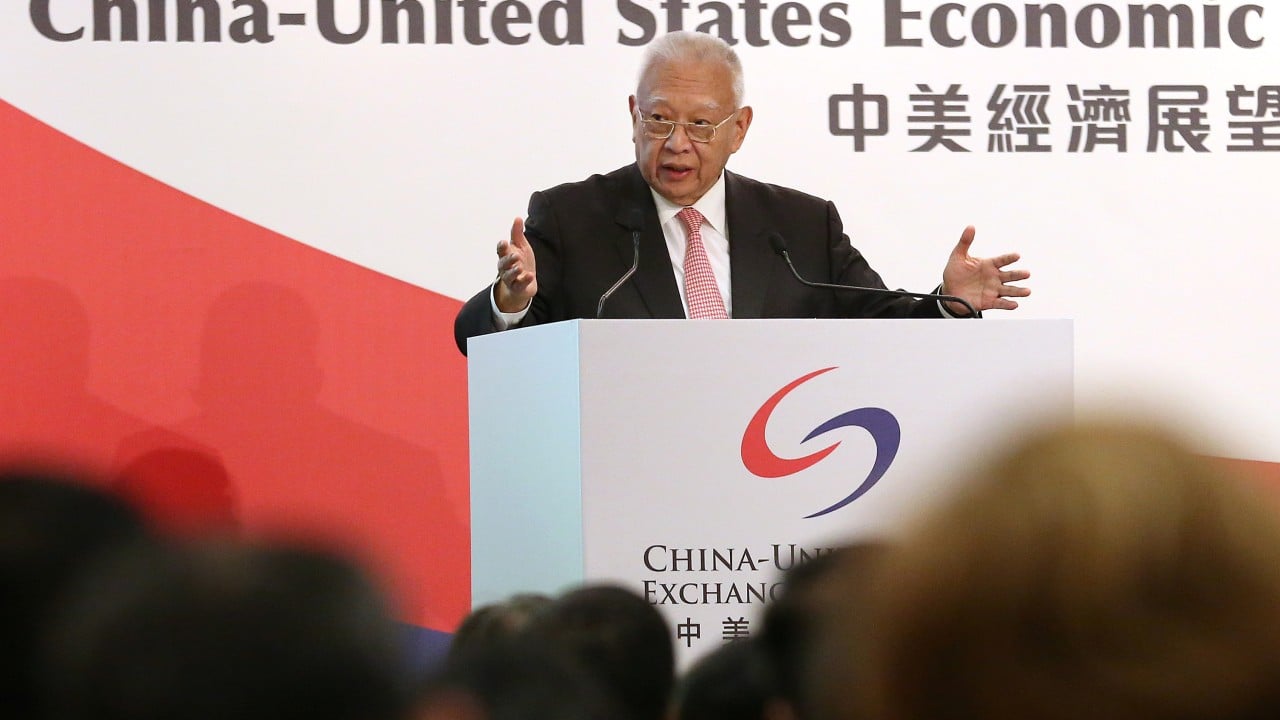
Track 1.5 diplomacy changes the rules of engagement. By bringing together former government officials, academic experts, and business leaders with active policymakers acting in an unofficial capacity, you remove the microphone from the room. For another look on this event, see the recent update from Reuters Business.
Hong Kong excels at hosting these types of closed-door interactions. The city retains deep institutional familiarity with both Western legal and financial frameworks and mainland political structures. Former trade representatives, retired military attachés, and corporate executives can test policy ideas in Hong Kong without triggering a diplomatic crisis if an idea falls flat.
Why Geography and Legal Traditions Still Matter
You can hold a workshop in Geneva or Singapore, but neither location possesses the specific context of China's southern gateway. Hong Kong's common law heritage, paired with its integration into the national fabric under the "one country, two systems" framework, creates a dual-lens environment that is hard to replicate elsewhere.
American business leaders and policy analysts frequently visit Hong Kong to gauge regulatory shifts firsthand. Conversely, mainland officials stationed or traveling there engage with international counterparts in a setting that feels less adversarial than Washington or Beijing.
When supply chain disruptions, technology export controls, or maritime tensions flare up, local think tanks and business councils in Hong Kong routinely host private roundtables. These aren't photo-ops. They are gritty, technical sessions where participants untangle complex cross-border friction points regarding finance, green energy transition, and compliance standards.
Moving Past the Pessimism
The common narrative surrounding Hong Kong focuses heavily on its shifting political identity, often overlooking its enduring pragmatic value. Skeptics argue that tighter integration with the mainland diminishes the city's utility as an impartial mediator.
That perspective misunderstands how modern statecraft works. Neutrality in the traditional sense is rarely required for effective backchannel communication. What matters is shared access and operational competence. Both Washington and Beijing understand that Hong Kong has the infrastructure, the hospitality networks, and the linguistic and cultural fluency required to host sensitive discussions.
When formal bilateral talks hit a wall—which happens regularly—policymakers look for low-stakes environments to float trial balloons. They want to know if the other side is willing to compromise on shipping protocols, artificial intelligence safety standards, or climate finance cooperation without losing face publicly. Hong Kong provides that exact physical and institutional space.
Practical Steps for Cross-Border Engagement
If you're watching how great-power competition affects global markets or regional strategy, stop looking exclusively at state visits and summit communiques. The real signals originate in smaller rooms.
- Monitor the outputs of specialized research bodies and business associations based in Hong Kong that routinely facilitate US-China dialogues.
- Pay attention to how financial and tech compliance frameworks are tested locally before being rolled out globally.
- Recognize that commercial necessity often forces political pragmatism long before governments officially reconcile their differences.
Hong Kong may not dictate the terms of the broader US-China rivalry, but it remains the most functional room available to manage the friction. As long as both superpowers need a place to talk off the record, the city's role as an indispensable diplomatic backchannel will endure.