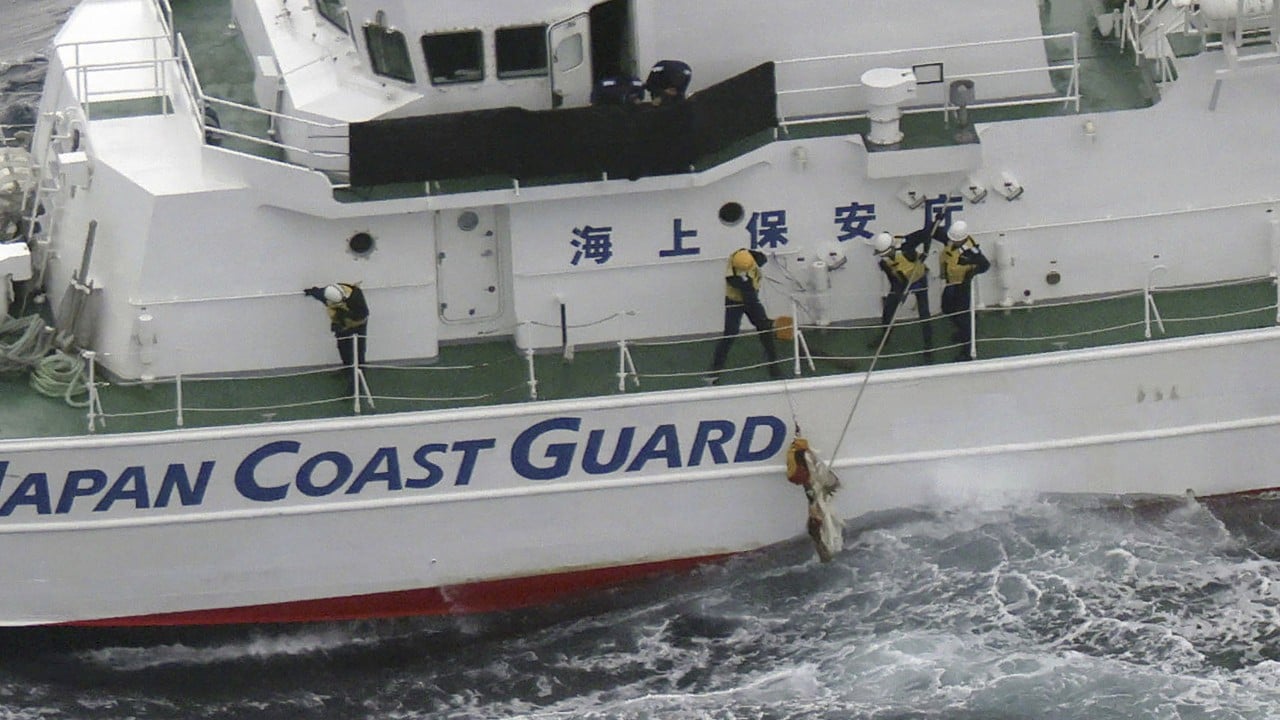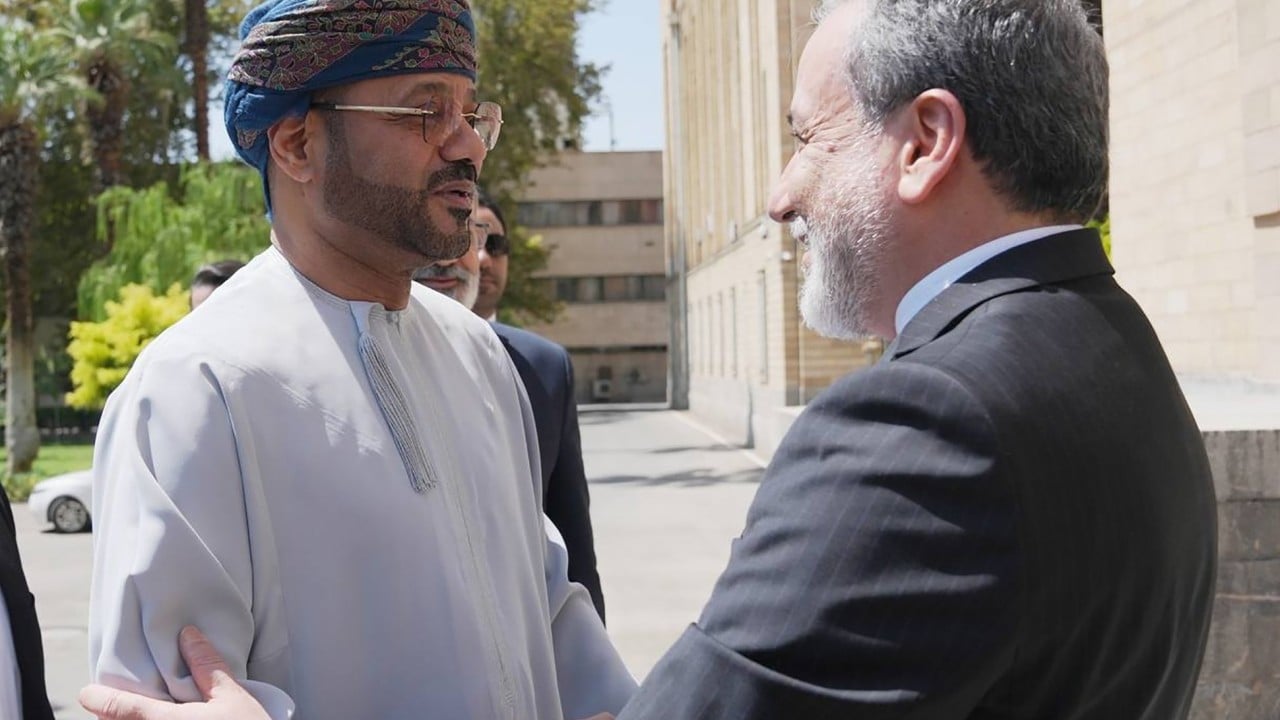
The ink on the latest diplomatic paper regarding the Persian Gulf is barely dry, yet the smoke from the most recent missile exchange still hangs heavy over the southern coast of Iran. For months, global markets have swung violently on every rumored concession, treating each temporary pause in hostilities as a permanent turning point. That assessment is fundamentally wrong. The recent diplomatic arrangements concerning the Strait of Hormuz do not end a conflict; they merely codify a new phase of attrition.
To understand why this diplomatic theater fails to secure regional stability, one must examine the fundamental mechanics of the crisis that erupted when the United States and Israel launched coordinated air campaigns against Iranian infrastructure. That initial military push intended to neutralize strategic threats quickly. Instead, it triggered the most severe chokepoint closure in modern energy history. With roughly a fifth of the world’s petroleum supply trapped behind sea mines, naval blockades, and retaliatory drone swarms, the economic stakes transformed instantly.
The core error made by international analysts lies in treating the waterway as a conventional military objective rather than an existential economic weapon. Tehran discovered early in the campaign that holding the strait hostage yielded far greater asymmetric leverage than any nuclear program ever could. Consequently, any accord that relies on vague text regarding freedom of navigation is doomed from inception. Washington reads the agreement as a mandate to restore unimpeded international trade under naval escort, while Tehran views the exact same clauses as formal recognition of its sovereign right to regulate, tax, and restrict traffic entering the Persian Gulf.
This dueling interpretation of reality guarantees repeated collapses. Whenever commercial tankers attempt to move through the central channel, the friction between American naval escorts and Islamic Revolutionary Guard Corps patrols inevitably sparks kinetic exchanges. A downed helicopter, a struck merchant vessel, or a retaliatory missile strike on regional power plants instantly shreds the diplomatic framework. The recent deals function less like peace treaties and more like tactical breathing spaces, allowing both sides to restock munitions, repair radar grids, and reposition missile batteries before the next escalation cycle begins.
The human and material costs continue to climb while diplomats chase ghosts. Washington faces soaring expenditures and mounting personnel casualties, while Iranian provinces suffer under severe inflation and crippled domestic infrastructure from retaliatory airstrikes. Yet, despite this asymmetric punishment, neither leadership possesses a viable internal off-ramp. For the White House, walking away without total restoration of the waterway translates to an unacceptable collapse of strategic credibility. For the clerical regime in Tehran, surrendering control of the shipping lane means discarding its only effective shield against total economic strangulation.
Regional actors are adjusting their long-term calculations to this permanent instability. Saudi Arabia and the United Arab Emirates have aggressively expanded alternative export pipelines toward the Red Sea to bypass the Persian Gulf entirely. These infrastructure shifts prove that even if a comprehensive maritime accord were magically enforced tomorrow, the pre-war status quo is dead. Global energy markets will price in a permanent risk premium for any cargo transiting Middle Eastern waters.
The structural flaws run deeper still. The enforcement mechanism for these temporary truces relies on mutual deterrence backed by the threat of proportional destruction. When an incident occurs, automated threats dictate automatic responses, such as retaliatory strikes against specific urban infrastructure. This rigid escalation ladder leaves zero room for diplomatic error or accidental friction. A miscalculated maneuver by a patrol boat transforms instantly into a multi-city bombardment, rendering long-term planning impossible for shipping conglomerates and insurers alike.
Consider a hypothetical grain or oil shipment attempting passage under the current regulatory haze. The vessel must navigate conflicting jurisdictions where American naval commands and Iranian maritime authorities issue contradictory transit instructions. Complying with one side guarantees interdiction or attack from the other. Insurance rates for Gulf voyages remain at historic highs, reflecting the reality that a signed piece of paper in a neutral capital cannot alter the trajectory of anti-ship missiles stationed along the Iranian coastline.
This dynamic creates a self-sustaining cycle of permanent confrontation. The conflict persists not because diplomacy lacks clever phrasing, but because the foundational objectives of the belligerents are structurally incompatible. As long as Washington insists on open navigation and Tehran demands sovereign gatekeeper status over the global economy's most vital maritime artery, every peace agreement is merely the prelude to the next skirmish. The forever war in the Gulf has not been paused by a deal; it has simply settled into its permanent, grinding routine.