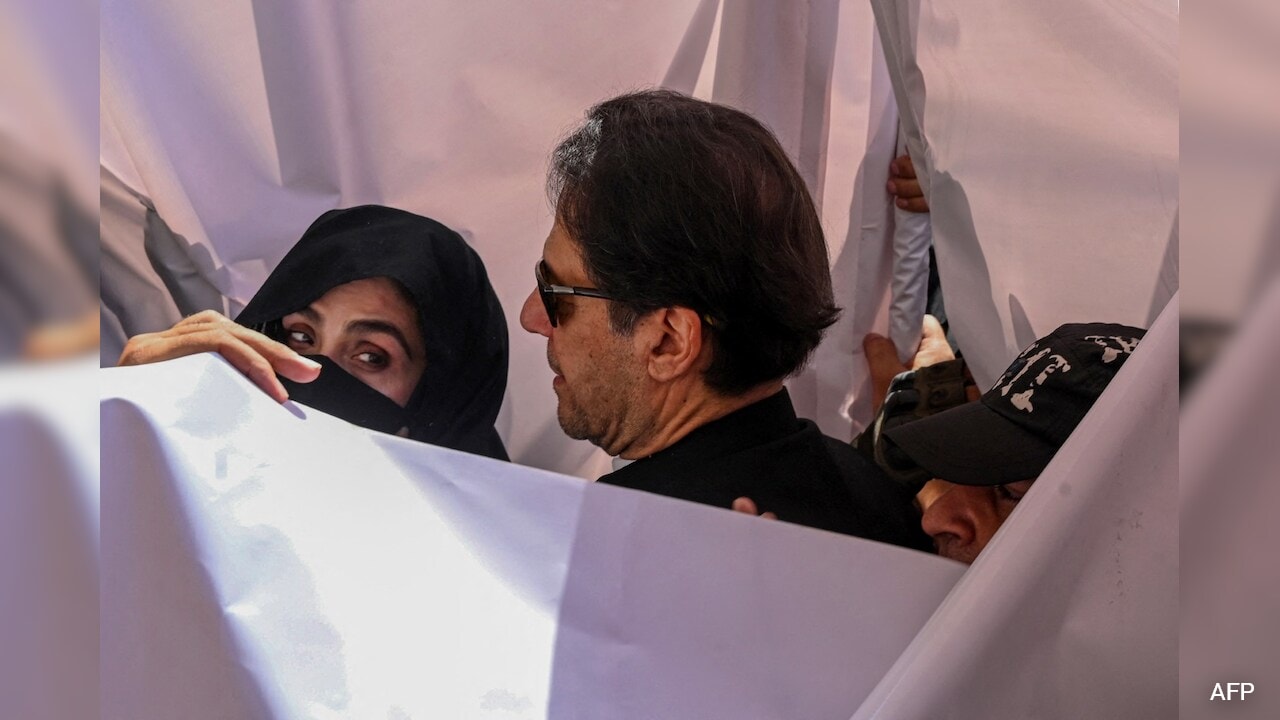
The Islamabad High Court recently issued a directive instructing authorities at Adiala Jail to ensure former prime minister Imran Khan and his wife, Bushra Bibi, are not subjected to solitary confinement while serving their respective prison sentences. Justice Khadim Hussain Soomro’s ruling mandated regular family access, telephone calls with family members, daily delivery of reading materials, and proper medical oversight, with a compliance report due within fifteen days. Headlines across South Asia framed the decision as a major reprieve for the imprisoned political leader and his spouse.
Decades of observing civil-military friction in Islamabad suggest a different reality. Judicial orders concerning high-profile political detainees rarely translate into immediate operational shifts inside high-security correctional facilities. The machinery of state detention operates on institutional inertia and security pretexts that routinely outlast bench directives.
The Mechanics of Confinement Versus Administrative Definitions
To understand why the high court order faces implementation hurdles, one must examine how prison administrators categorize high-security detention. During the proceedings, the Adiala Jail superintendent and the Islamabad advocate general pushed back against the very term "solitary confinement". Their argument relied on a technical distinction: because Khan has access during daylight hours to a small compound containing multiple cells rather than being locked inside a single windowless box twenty-four hours a day, officials maintain he is merely housed separately due to security threats.
This semantic maneuvering forms the backbone of state compliance strategy. By redefining isolation as a protective custody measure, prison authorities create a permanent gray area. A court can order the end of solitary confinement, but if the administration simply re-labels the confinement zone while maintaining physical and social detachment, the practical experience of the prisoner remains unchanged. The legal victory secured by defense petitions filed by Khan’s sister Aleema Khanum and Bushra Bibi’s daughter Mubashra Khawar Maneka attacks the formal label rather than the underlying security architecture designed to keep the former premier away from political networks.
The Battle Over Medical Access and Institutional Trust
Physical deterioration has become a central axis of the struggle between the state and the Pakistan Tehreek-e-Insaf leadership. Reports from family members and legal counsels highlight mounting concerns over Khan’s health, specifically regarding an eye condition that has severely impaired his vision. While the Supreme Court previously ordered a transfer to a private medical facility for specialized care, subsequent events demonstrated the friction between judicial intent and executive execution.
When authorities moved Khan to a state-run hospital briefly before returning him to Adiala rather than allowing prolonged admission at the private institution, it laid bare the executive branch's reluctance to cede control over his physical custody. Legal challenges concerning these transfers sit before higher benches, with contempt petitions scheduled for mid-September. Every medical checkup becomes a contested jurisdictional event, managed through layers of security protocols that prioritize containment over clinical autonomy.
Precedent and the Limits of Judicial Relief
History shows that state apparatuses facing entrenched political opposition treat high-profile detentions as matters of national security rather than ordinary criminal administration. Past Pakistani administrations of various political stripes have historically utilized prison rules to isolate charismatic leaders, blunting their capacity to mobilize street-level momentum. The physical distance between Adiala Jail and active political discourse is maintained through carefully managed communication blackouts and restricted visitor logs.
When courts mandate compliance reports within a strict fortnight window, jail officials typically respond with bureaucratic paperwork indicating nominal adherence—such as delivering a designated number of books or logging a brief family interaction—while keeping the core restrictions intact. The fundamental power dynamic between the state and an incarcerated former head of government is rarely rewritten by a single high court writ.
The path forward for these legal challenges points toward a protracted cycle of petition and bureaucratic pushback. As upcoming hearings approach in higher courts, the core issue remains whether judicial mandates possess the structural enforcement capacity to pierce the walls of Adiala Jail.