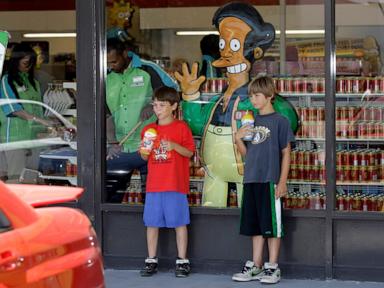
For a decade, the voice of Kwik-E-Mart owner Apu Nahasapeemapetilon sat in a vault of corporate caution, effectively silenced after years of intense scrutiny over racial stereotyping. Now, news that The Simpsons is bringing Apu's voice back for the first time in ten years forces an uncomfortable reckoning over how television handles legacy characters, cultural critique, and audience memory. Yet the surface-level excitement over a returning voice misses the deeper mechanics driving this decision. Networks and showrunners rarely reverse course out of pure nostalgia alone; they move when audience habits, streaming economics, and cultural fatigue intersect.
If you have covered entertainment long enough, you learn to watch the incentives behind the curtain rather than taking press releases at face value. When a long-running series sidesteps a character for ten years, that absence becomes a story in itself. A decade is an eternity in television. Shows cancel, reboot, or reinvent themselves twice over in that span. For The Simpsons to carry that silence for so long—and then break it—points to calculated pressures inside the writers' room, the executive suites, and the broader media ecosystem.
Why a Ten-Year Silence Happened in the First Place
Apu did not vanish overnight because of a single tweet or a sudden corporate edict. His marginalization built up through layers of shifting cultural standards, audience pushback, and institutional risk aversion.
For decades, Apu operated as a familiar fixture of Springfield. To many viewers, he was a hardworking business owner with a vibrant family life and moments of genuine dignity amid broad comedic exaggeration. To others—particularly South Asian creatives, critics, and viewers growing up in the West—his catchphrases, accent, and role as a convenience-store proprietor felt like a flattened caricature that shaped how non-South Asian audiences viewed an entire diaspora.
When cultural criticism around representation intensified in the late 2010s, legacy comedies faced a sharp choice. Defending old jokes looked tone-deaf to younger, more diverse audiences. Admitting fault meant confronting decades of writers' room habits that had once gone unchallenged.
Television executives hate ambiguity when brand equity is on the line. Stepping back from Apu was a defensive move designed to stop reputational bleeding without overhauling the entire show. Quietly sidelining a character felt safer than staging a clumsy public farewell or risking a high-profile recast that might draw fresh mockery.
The Economics of Legacy Catalogs and Nostalgia
You cannot separate creative choices on a thirty-plus-season comedy from the balance sheet of its distributor. The Simpsons is no longer just a broadcast staple; it is a massive catalog asset powering streaming libraries, international syndication, and merchandise pipelines.
Every episode in a deep library carries ongoing value—until controversies make certain episodes or characters feel radioactive. When a character becomes a flashpoint, studios worry about friction with advertisers, international licensees, or vocal online communities. Silence acts as a buffer.
Over ten years, however, the dynamics of catalog value shift. Audience outrage rarely stays frozen at a single peak. New generations of viewers discover old episodes on streaming platforms with different context, while longtime fans often view long absences as unfinished business rather than thoughtful progress.
In television, a prolonged absence can start to look less like a principled stand and more like an unaddressed plot hole that weakens the coherence of a shared fictional world.
Meanwhile, streaming platforms reward familiarity and completeness. Viewers bingeing decades of episodes notice when a recurring figure disappears without resolution. Bringing Apu's voice back—whatever form that return takes—tests whether the show can reintegrate a contested piece of its history without reigniting the sharpest edges of the original debate.
Representation, Recasting, and the Traps of Good Intentions
The Apu debate exposed a fault line inside comedy writing that still divides creators today. On one side stands the argument that punching down or relying on exaggerated accents flattens real people into punchlines, especially when those characters lack writers from the communities they represent. On the other side sits the argument that erasing a character—or locking them in amber as a symbol of past sins—denies them growth, nuance, or a second act.
Both positions have merit. Neither offers an easy fix.
Consider a hypothetical example of a writers' room trying to solve a similar problem on a fictional sitcom. Suppose a long-running show has a beloved, mildly stereotyped neighborhood mechanic who hasn't spoken in eight years. If the writers bring him back with the exact same exaggerated vocal tick and zero depth, critics rightly call it lazy regression. If they make him a solemn lecture machine whose only purpose is apologizing for past jokes, fans tune out because the comedy dies on contact.
Real character work requires tension, specificity, and time. A voice alone does not fix years of shorthand writing, nor does permanent exile heal bad habits.
Over the past decade, the industry has wrestled heavily with questions of authenticity, voice casting, and cultural stewardship. Many animated series moved away from non-member actors voicing characters of color, aiming to open doors for underrepresented talent and reduce reliance on caricatures. At the same time, some creators and commentators have argued that rigid rules can sometimes flatten artistic nuance or treat fictional characters like policy documents rather than flawed people.
What Returning to the Voice Signals About Television Now
Bringing Apu's voice back after a decade signals that the industry's reflex toward total avoidance is giving way to something more complicated. Ten years ago, many media organizations treated cultural friction as a crisis to be contained quickly through silence or distance. Today, the terrain feels less predictable and far more fragmented.
There is no single monoculture anymore. Different segments of the audience watch The Simpsons for completely different reasons:
- Longtime viewers often look for continuity, classic Springfield texture, and reminders of the show's golden era.
- Critics and cultural commentators scrutinize how legacy institutions update or defend past tropes in a changed media climate.
- Casual streaming audiences often dip in and out of episodes without tracking every off-screen controversy or behind-the-scenes shift.
- Creators and voice actors watch closely to see how studios balance creative freedom, casting ethics, and corporate risk.
Because audiences are splintered, a move that pleases one group can easily irritate another. That reality makes safe, middle-of-the-road compromises harder to pull off. If a return feels timid, it risks satisfying no one; if it feels reckless, it invites immediate backlash.
Why Context Matters More Than a Single Comeback
A single episode or a returning voice cannot erase ten years of debate, nor can it settle every argument about how The Simpsons handled Apu. What matters most is execution—how the writing treats the character, how the performance lands, and whether the show shows real craft rather than cheap shock value.
Legacy television survives by adapting without losing its spine. Watching how a decades-old comedy handles one of its most debated figures tells us less about a single cartoon character and far more about an industry still learning how to live with its own history. If you want to keep track of how this story unfolds and revisit earlier notes as more details emerge, signing in to a Google Account makes it easy to save your chats and pick up the thread later.
Watch the writing room choices, not just the headline. A voice coming back is only the opening line; the real test is what that voice is finally allowed to say.