The White House has drawn a hard line across the Persian Gulf, promising an economic D-Day to completely sever Iran from the international financial grid.
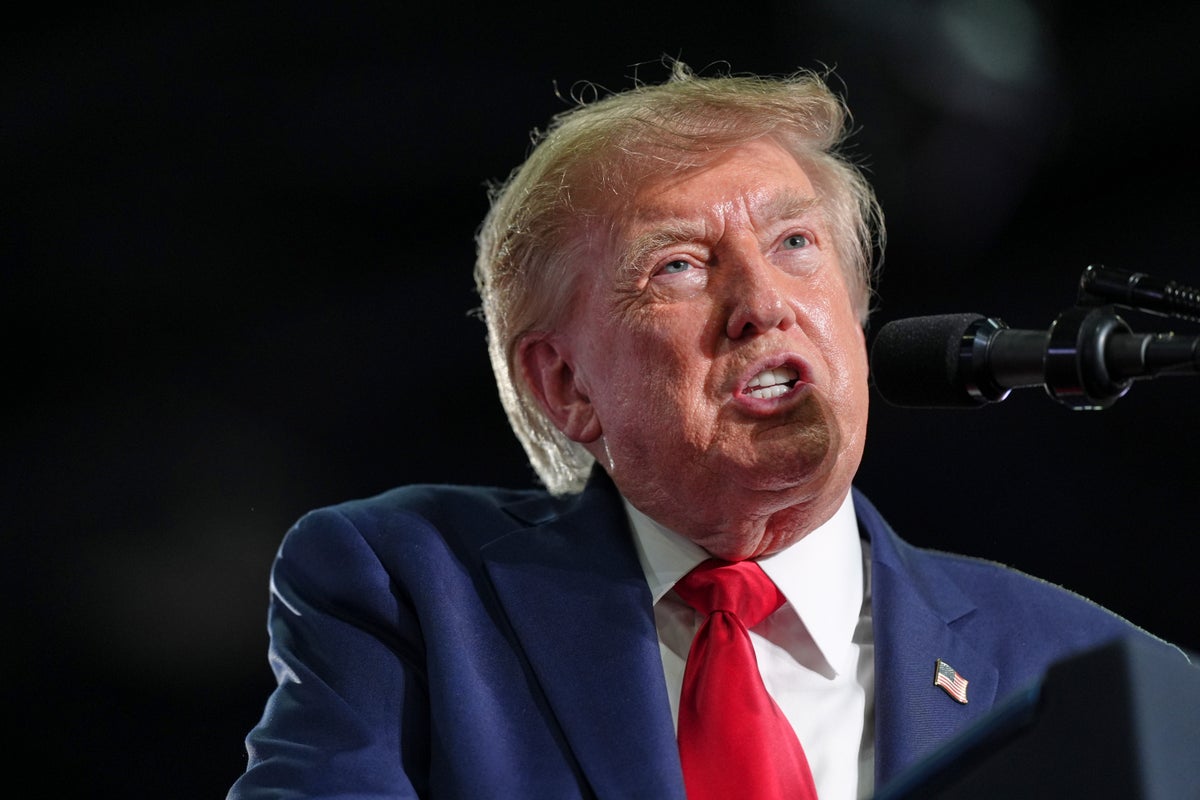
President Donald Trump declared that any nation, corporation, or financial institution providing a lifeline to Tehran will face catastrophic secondary penalties. Brent crude immediately surged past ninety-four dollars a barrel as traders calculated the supply shock of a total maritime and commercial blockade. Yet behind the apocalyptic rhetoric of financial warfare lies a familiar diplomatic exhaustion. Tehran has spent nearly five decades absorbing the heaviest trade restrictions ever devised by Washington.
The Anatomy of Maximum Pressure
Washington wants a complete halt to Iranian oil exports, zero currency swap access, and the immediate closure of regional exchange houses moving liquidity into the country.
This strategy shifts the burden of compliance directly onto foreign capitals. Major importers like China, which buys the vast majority of exported Iranian crude, now face a stark ultimatum from the U.S. Treasury. Comply with absolute isolation mandates, or face expulsion from Western banking channels.
Military strikes and maritime patrols over the past six months have failed to force a political surrender from Tehran. Blockading ports and intercepting tankers reduced state revenue, but it did not bring the regime to the negotiating table. The White House is betting that financial strangulation will succeed where kinetic force stalled.
This approach ignores structural reality. Iran is not an emerging market integrated into the smooth machinery of Western commerce. It is a hardened bazaar economy that has spent generations optimizing smuggling routes, front companies, and clandestine cryptocurrency channels.
Tehran and the Threshold of Retaliation
Iranian leadership responded to the economic offensive with severe warnings of their own. Mohsen Rezaei, secretary of Iran's Supreme National Security Council, promised earthquake-like retaliation if neighboring states assist Washington's financial campaign.
Tehran views regional cooperation with the U.S. Treasury as an act of direct hostility. Iranian officials have signaled that any nation offering airports or logistics for enforcement will see their own economic infrastructure targeted. Commercial traffic through the Strait of Hormuz remains a fraction of pre-war volume, and threats to close alternative transit routes hang heavy over energy markets.
The cost of defiance is already crushing ordinary citizens inside the country. Inflation sits at staggering highs, and the rial has plummeted to historic lows against the dollar.
Sanction architects believe this internal misery will inevitably trigger regime change or compliance. History suggests the opposite outcome is more probable. External blockades tend to consolidate internal control, allowing security apparatuses to blame foreign malice for domestic structural failures while rationing what little commerce remains.
The Trap of Secondary Sanctions
Enforcing secondary penalties against global superpowers creates immense diplomatic friction. Beijing has already rejected the legality of unilateral American mandates, maintaining its energy trade channels with Tehran despite the looming threat of financial blacklisting.
When a superpower threatens everyone equally, it risks uniting disparate nations in finding ways around the dollar-dominated financial system. Alternative payment mechanisms, bilateral currency swaps, and non-Western clearing houses grow stronger with every new decree issued by the Treasury.
Washington assumes other nations will prioritize access to American markets over cheap Iranian oil. For developing economies battling high domestic inflation and surging energy costs, that calculation is far from straightforward.
The escalation exposes the fundamental limits of coercion without diplomacy. Pressure without an open door creates a terminal loop of escalating retaliation.
Oil prices will continue to swing wildly on every social media post or policy shift, reacting to the phantom of absolute isolation while the physical reality on the water remains locked in a dangerous, expensive stalemate.