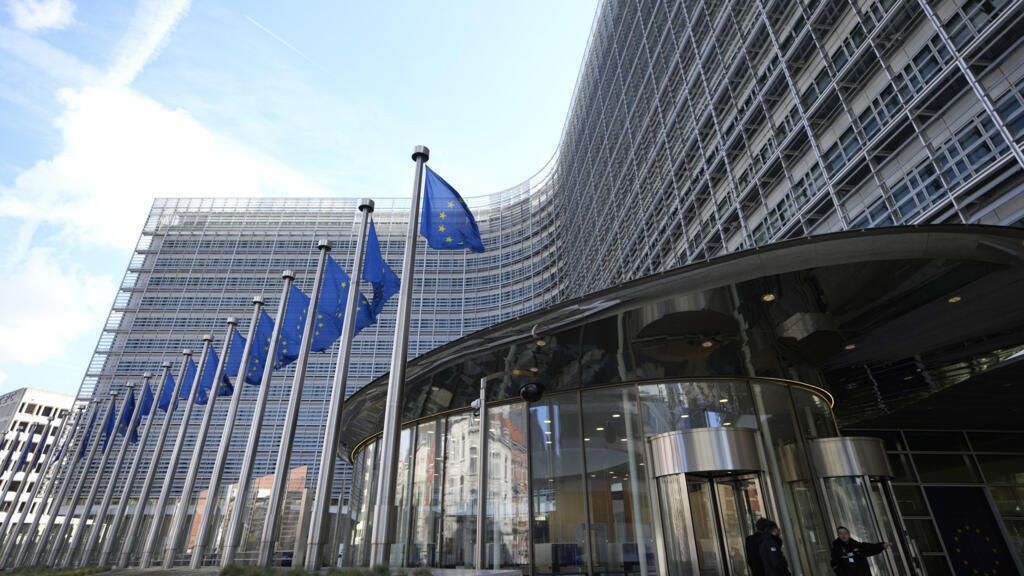
The European Union has failed to reach a consensus on lifting sanctions targeting prominent Russian oligarchs, exposing deep institutional fractures and a growing strategic fatigue among member states. Brussels remains deadlocked over the future of asset freezes and travel bans initially imposed following the invasion of Ukraine, as legal challenges, economic self-interest, and divergent diplomatic priorities collide behind closed doors.
For months, quiet diplomatic channels have buzzed with discussions about recalibrating the restrictive measures. Some capitals argue that maintaining blanket prohibitions on certain business figures without clear, individualized pathways for judicial review risks undermining the legal credibility of the entire sanctions regime. Others insist that any sign of leniency plays directly into Moscow's narrative of Western resolve crumbling under economic pressure. The result is a political paralysis where member states are unwilling to compromise, leaving billions of euros in frozen assets in an indefinite legal purgatory.
The Structural Mechanics of Consensus Failure
European foreign policy operates under a strict consensus model. Every single member state holds an effective veto over sanctions renewals, which must be formally revisited at regular intervals. This architecture, designed to project unified strength, has instead become a structural vulnerability.
When a handful of governments raise concerns regarding proportionality or the shifting geopolitical landscape, the entire apparatus stalls. Legal challenges brought before the European Court of Justice by targeted billionaires have added fresh urgency to the debate. Several high-profile cases have revealed evidentiary gaps in how dossiers were compiled, forcing national legal teams to scramble.
Consider the evidentiary threshold required to prove a direct, ongoing nexus between an individual business tycoon and the Kremlin's war cabinet. In the early months of the conflict, political urgency superseded rigorous bureaucratic evidence gathering. Sanctions lists grew rapidly, driven by political optics and broad definitions of association. Years later, those hurried designations face intense scrutiny from defense attorneys operating within strict European jurisprudence. When courts signal that mere association or historical business ties do not automatically meet the legal standard for active complicity, governments find themselves cornered between political commitments and domestic legal obligations.
Economic Friction and the Cost of Indefinite Freezes
Beyond the courtroom battles, economic realities are shifting beneath the surface. Certain coastal and trade-heavy economies feel the collateral weight of severed commercial arteries. While the grand architecture of energy embargoes dominates headlines, the microeconomic friction caused by frozen corporate holdings, tangled ownership structures, and abandoned joint ventures creates persistent drag.
Legal firms across Frankfurt, Paris, and Vienna report an unprecedented caseload. Corporate restructuring experts spend their days untangling multi-layered corporate veils designed decades ago to shield wealth from taxation. When EU authorities freeze an asset, they often inherit a liability. Maintenance costs for superyachts, frozen commercial real estate, and distressed subsidiaries accumulate. Governments discover that holding onto seized property requires active management, ongoing legal defense, and the assumption of financial risk should a court eventually rule the seizure unlawful.
This administrative burden feeds quiet resentment. Diplomats whisper about exit strategies, not out of sympathy for the oligarchs, but out of bureaucratic exhaustion. The initial momentum of sweeping punitive measures has given way to the tedious, litigious reality of protracted economic warfare.
The Geopolitical Gamble in Moscow
In Moscow, the impasse is viewed through a lens of cynical vindication. The Kremlin long predicted that Western unity would fracture along national lines once the initial shock of the conflict faded. By waiting out the political cycle, Russian elites calculate that time remains their most effective ally.
The debate over lifting sanctions is rarely framed publicly as capitulation. Instead, proponents of recalibration couch their arguments in terms of legal hygiene, asset management, and strategic focus. They argue that the primary objective should be choking off the macro-level state revenues funding military operations, rather than engaging in a bottomless legal quagmire over individual yacht owners and minor shareholders. Yet, every public debate about easing restrictions sends a conflicting signal to international partners and domestic audiences alike.
The Path Forward Remains Obscured
Brussels is currently trapped between the necessity of projecting unbreakable solidarity and the practical impossibility of maintaining a legally bulletproof sanctions regime across thousands of pages of designations. As judicial pressures mount and economic friction accumulates, the debate over Russian wealth is shifting from a moral crusade into a grueling administrative trial of endurance. The inability to agree on a coherent next step demonstrates that the hardest part of economic statecraft is not the initial imposition of penalties, but managing the messy, fractured endgame.