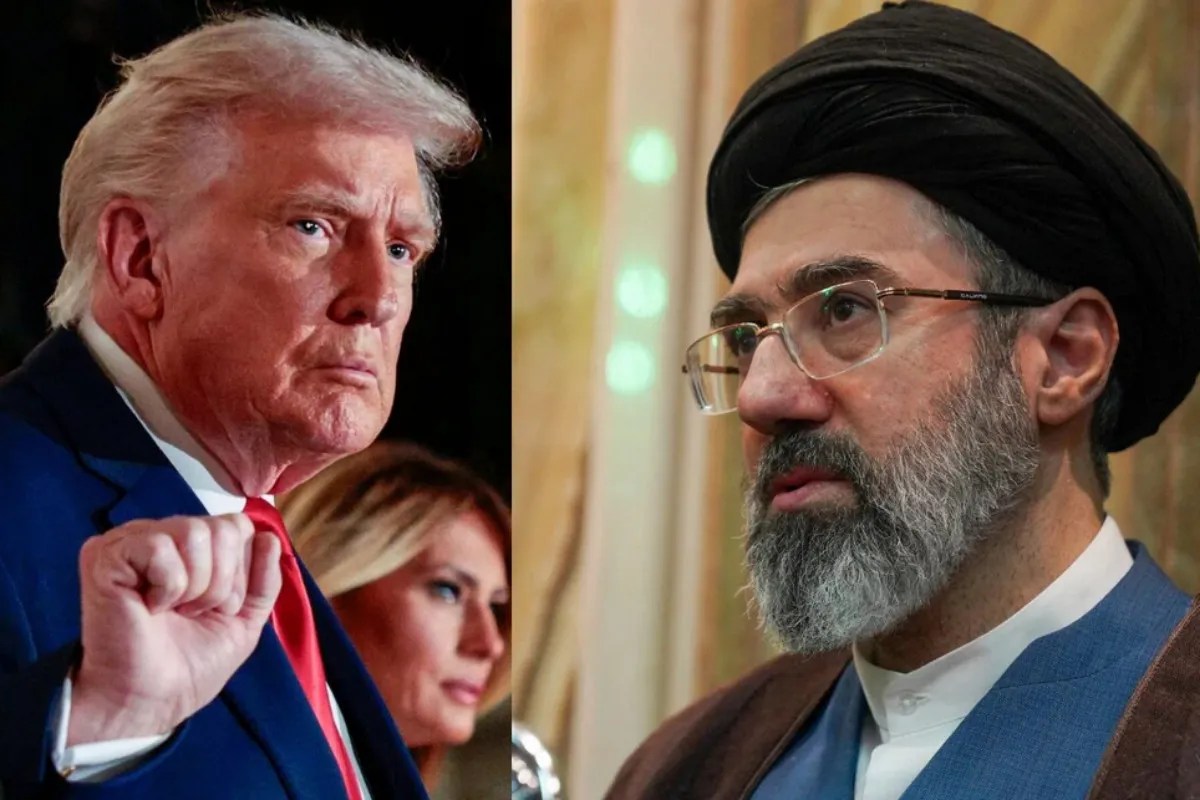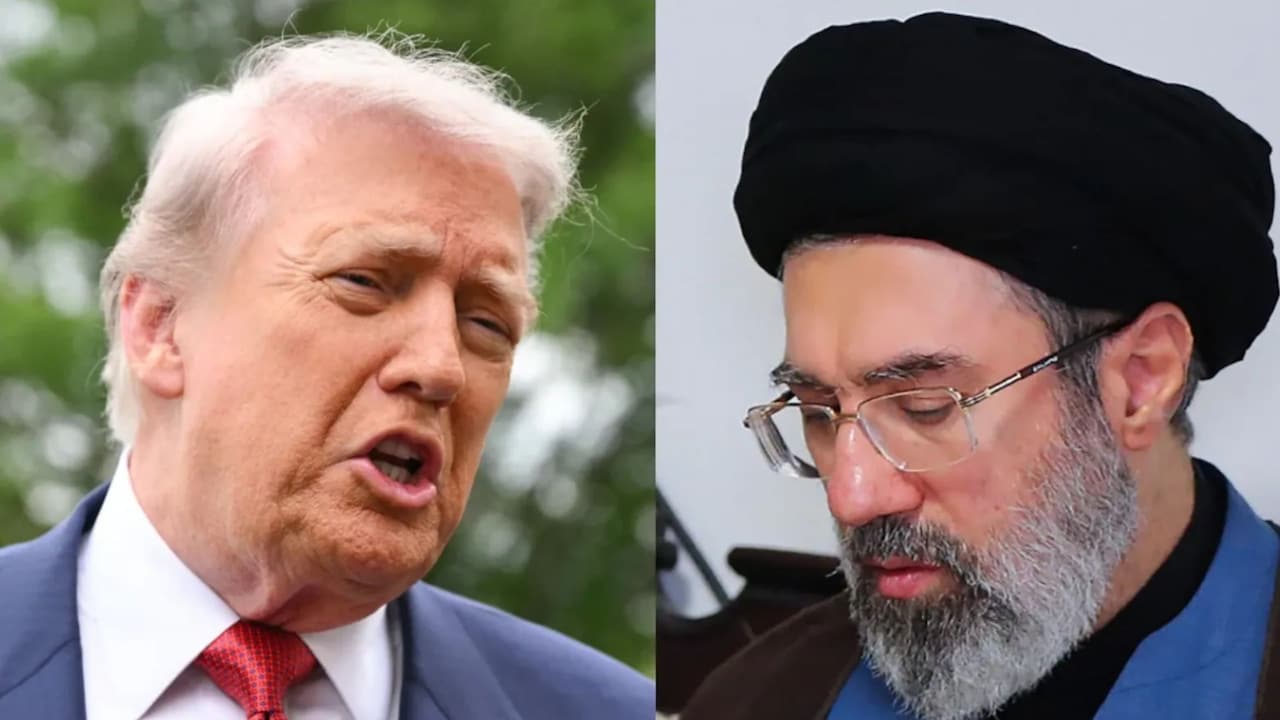
The architecture of global energy security is fracturing once again as the White House shifts its primary strategy from military strikes to financial isolation. Following months of regional conflict, maritime blockades, and failed ceasefires, United States President Donald Trump announced an uncompromising push described as an "Economic D-Day" against Iran. Treasury Secretary Scott Bessent doubled down on the rhetoric, promising the toughest financial penalties in history to collapse the Iranian government.
Tehran's response was swift and uncompromising. Mohsen Rezaei, the newly appointed secretary of Iran's Supreme National Security Council, warned that any nation cooperating with Washington's financial blockade would be designated an explicit enemy. This escalation drags third-party trading partners and neighboring states into the direct line of fire, forcing international capitals to choose sides as energy markets react with immediate volatility.
The Anatomy of the New Financial Siege
The strategy relies on cutting off every remaining lifeline sustaining the Iranian economy. Washington targets exchange houses, currency swap lines, cash transfers, ship registries, and front companies used to mask oil transactions. By shifting the burden onto international secondary markets, the White House aims to compel foreign entities to sever commercial ties with Tehran under threat of heavy penalties.
Yet, decades of exposure to severe international restrictions have forced Tehran to master the art of economic evasion. Iranian authorities have spent generations building clandestine networks of intermediaries, shell corporations, and alternative financial channels. While these fresh punitive actions will undoubtedly deepen inflation, devalue the national currency further, and squeeze ordinary citizens, historical precedent suggests that financial pressure alone rarely forces a government to capitulate on its core ideological goals.
Iranian Foreign Minister Abbas Araghchi dismissed the campaign as a diversion from domestic financial pressures inside the United States, such as rising national debt and soaring interest costs. Rather than breaking Tehran's resolve, Iranian leadership argues that the measures will only harden national resistance and provoke asymmetrical retaliation.
The Beijing Dilemma and Regional Fallout
The most explosive vector in this unfolding economic confrontation involves China, which absorbs the vast majority of Iran's seaborne oil exports. Beijing has already rejected the American initiative, with the Chinese embassy in Washington asserting that pressure and sanctions fail to resolve complex geopolitical crises.
For Beijing, maintaining energy imports from the Persian Gulf remains vital, but doing so under secondary restrictions risks a broader commercial collision with Washington over critical minerals and trade tariffs. Meanwhile, immediate neighbors are recalibrating their survival strategies. For instance, the United Arab Emirates recently suspended financial and trade transactions with Tehran following security alerts, illustrating how rapidly regional partners are cutting ties to shield themselves from fallout.
Conversely, Tehran has threatened to retaliate against any surrounding country that actively participates in the American-led financial squeeze. Rezaei made it clear that Iran views regional alignment with Washington's campaign as a hostile act, raising the prospect that local economic infrastructure, shipping lanes, and export conduits outside the Strait of Hormuz could become direct targets for retaliation.
The Chokepoint Factor
Control over the Strait of Hormuz remains the ultimate leverage point in this crisis. Iranian officials maintain that the strategic waterway is closed to participants of the blockade, insisting that normal transit will not resume until Washington fulfills previous diplomatic commitments.
Trump countered by asserting that the United States views the waterway as an American territory given its overwhelming naval control, setting up a permanent standoff over one of the most critical energy transit corridors on earth. As insurance markets price in persistent maritime risks, crude prices continue to hover near multi-week highs, reflecting the profound anxiety gripping global commodity traders.
The collision between Washington's pursuit of total economic isolation and Tehran's defiance leaves little room for diplomatic middle ground. As secondary sanctions take effect, the cost of neutrality climbs higher for every nation dependent on Middle Eastern energy routes