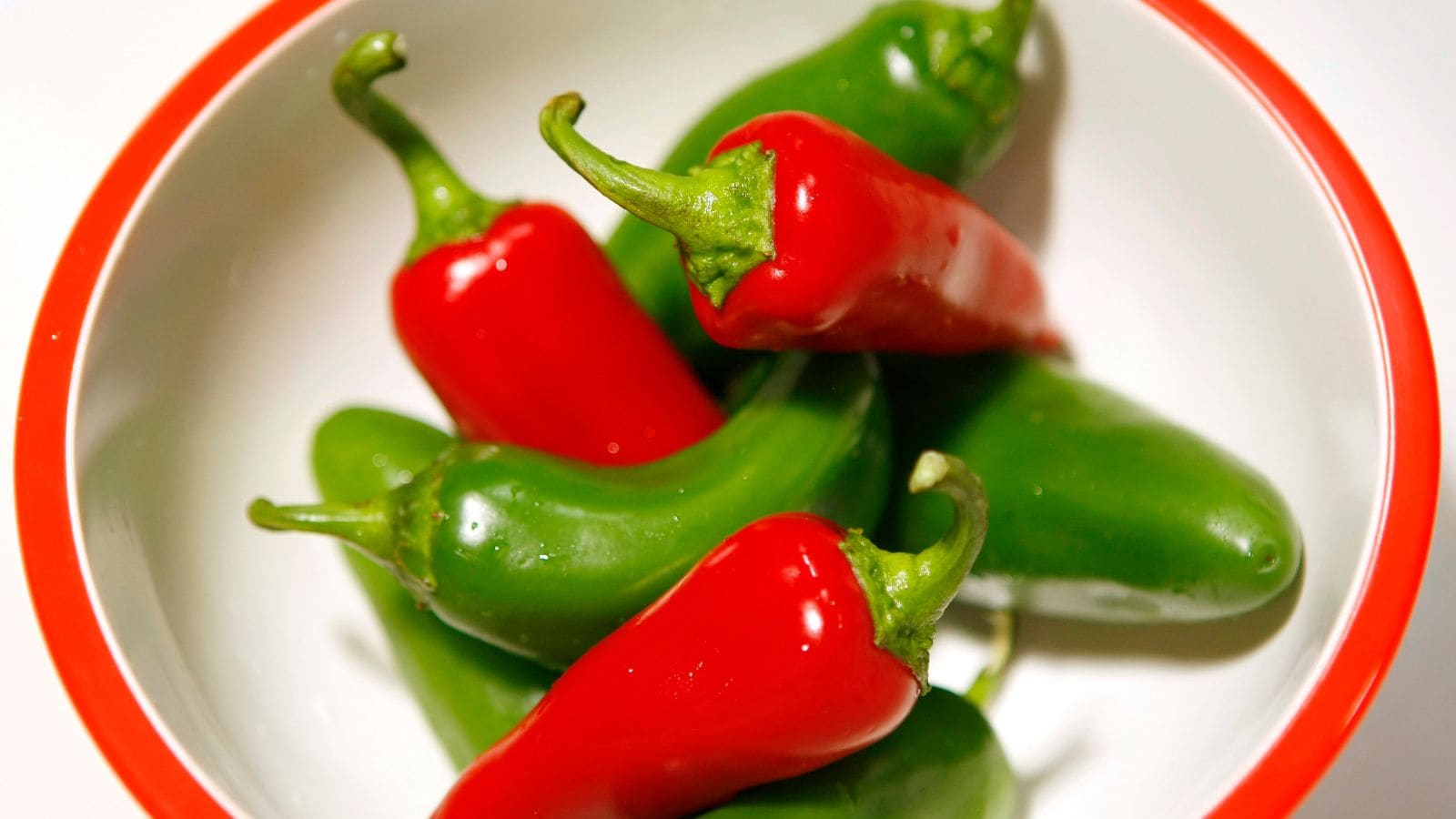
A multi-state outbreak of Salmonella Javiana has infected 345 people across 27 states, forcing federal health regulators and major restaurant chains to scramble as contaminated jalapeño peppers imported from Mexico slip past systemic checkpoints. Thirty-six individuals have been hospitalized, and major chains like Chipotle Mexican Grill and QDOBA have pulled the ingredient from their service lines.
This is not an isolated piece of bad luck. It is the predictable outcome of an international agricultural supply chain that moves too fast to ensure basic biosecurity.
The Anatomy of a Border-Crossing Contamination
Traceback investigations conducted by the Centers for Disease Control and Prevention (CDC) and the Food and Drug Administration (FDA) point squarely toward agricultural fields in Sinaloa, Mexico, where the contaminated peppers originated. From those farms, the produce was funneled through Coast Citrus Distributors, a California-based supplier, before finding its way into commercial kitchens nationwide.
When epidemiologists interviewed those who fell ill between June 19 and July 20, a staggering 93 percent reported consuming food at a Mexican-style restaurant just days before symptoms manifested. Clusters materialized quickly in states like Minnesota and Colorado, where public health tracking systems caught the anomaly before it could spiral further into retail grocery shelves—though the FDA admits it is still checking if secondary distribution channels reached home kitchens.
Why Fresh Produce Remains Vulnerable
Pathogens like Salmonella do not materialize out of thin air. They hitch a ride on agricultural water used for irrigation, or they transfer from contaminated soil, animal waste runoff, and unwashed hands during harvesting and packing.
Fresh peppers present a distinct biosecurity challenge. Unlike poultry or beef, which undergo rigorous kill-steps through cooking or pasteurization before reaching the consumer, fresh jalapeños are frequently consumed raw or barely blanched. When a pathogen adheres to the textured skin or infiltrates the stem scar of a pepper during packinghouse washes, subsequent cold-water baths often spread the bacteria rather than eliminate it.
Large-scale commercial distribution magnifies this vulnerability. A single contaminated batch from a massive farm in Sinaloa is rapidly pooled with cleaner produce, split into multiple shipments, and dispersed across regional distribution hubs. By the time a cluster of gastrointestinal illness alerts local health departments, the contaminated fruit has already been chopped, served, and digested.
The Corporate and Economic Fallout
For corporate dining chains, news of a foodborne outbreak triggers immediate financial punishment. Shares of Chipotle tumbled over eight percent as news broke of the investigation, recalling ghosts of past food safety crises that forced the burrito giant to overhaul its entire operational playbook years ago.
Both Chipotle and QDOBA acted swiftly this time, altering supply sources or scrubbing jalapeños from their menus entirely. Quick action prevents prolonged exposure, but it lays bare the fragility of restaurant supply chains that rely on centralized importers. When a primary distributor encounters contamination, substitution takes days or weeks, forcing restaurants to either compromise on menu items or halt service.
Federal agencies maintain that current operational risks at these specific restaurant chains have subsided due to rapid inventory purges. Yet, the underlying mechanisms that allowed contaminated produce to bypass border checks remain intact.
The Regulatory Blind Spot
Imported agriculture is subject to the FDA Food Safety Modernization Act (FSMA), which requires foreign growers to meet standards equivalent to domestic U.S. producers. In practice, verifying compliance across thousands of foreign acres is an exercise in resource scarcity. Physical inspections of overseas farms represent a fraction of incoming volume, leaving regulatory bodies heavily reliant on self-reporting, third-party audits, and retrospective traceback data once an outbreak is already underway.
When an outbreak hits 27 states simultaneously, the system has already failed its primary mandate of prevention. Traceback is archaeology. It tells public health officials where the contamination came from after the damage is done, offering little solace to the dozens of patients enduring severe fevers, cramping, and dehydration.
Check your refrigerators and commercial coolers if you source independent produce outside major corporate supply chains. Discard any inventory tied to the Sinaloa region, sanitize preparation surfaces thoroughly, and monitor for symptoms that can take up to six days to appear. Until structural oversight matches the speed of global food trade, the next outbreak is merely a matter of time.