Vice President JD Vance blamed the ongoing U.S. war with Iran for the Republican Party's sweeping midterm losses in November 2026, stating in a widely circulated social media post that anger over the conflict, rising living costs, and Washington's relationship with Israel drove former Donald Trump voters to cast ballots for Democrats. Following a bruising election night in which Democrats captured control of both the House of Representatives and the Senate, Vance wrote on X that "the real reason we lost is obvious to almost everyone".
His assessment exposed a rare public fracture inside the administration. It also set off weeks of damage control, shifting explanations, and fierce debate inside conservative circles over who bears responsibility for the party's worst electoral setback in years. Meanwhile, you can read similar stories here: Why the 2026 Midterm Blue Wave Is Not a Democratic Comeback.
The Morning After Reckoning
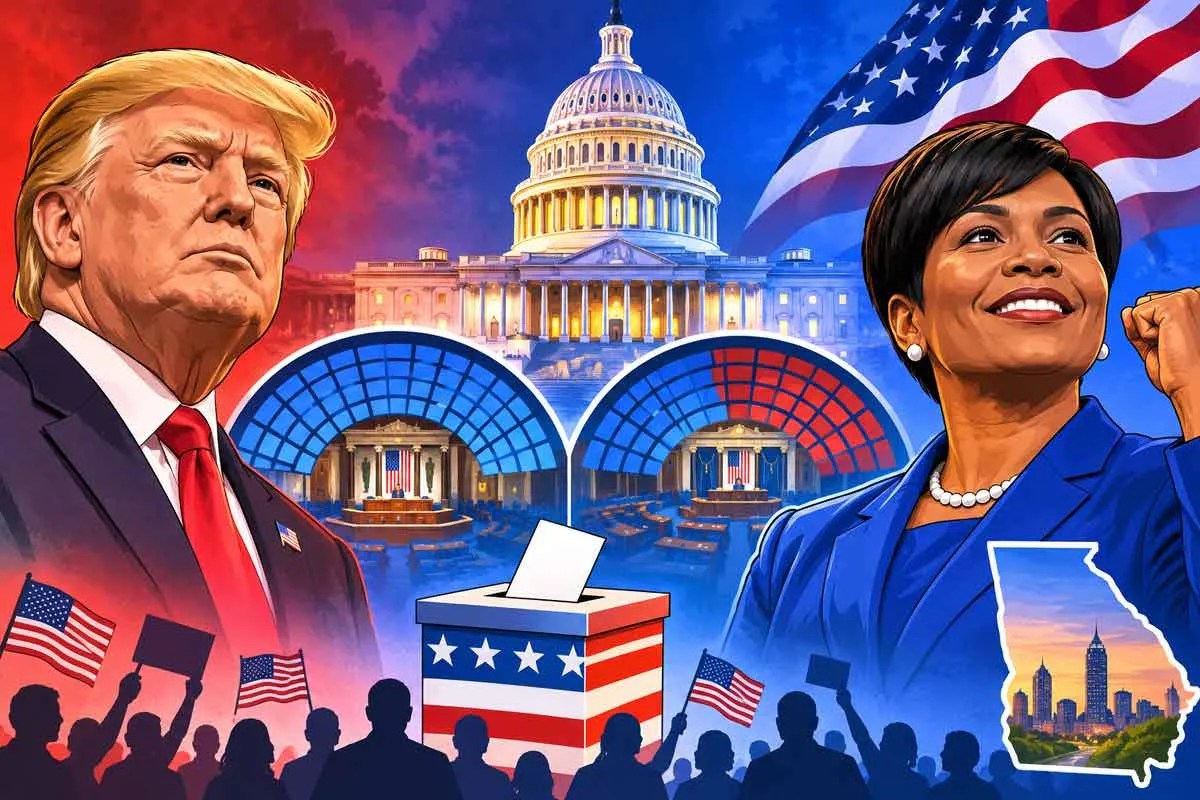
The morning after the November 3, 2026 midterm elections, the political fallout was immediate. Democrats had not merely edged out Republicans in swing districts; they defeated GOP candidates even in deep-red territories that Trump had carried by comfortable margins two years earlier. According to reporting from The Guardian, every single candidate Trump endorsed in districts rated a toss-up by the Cook Political Report lost, and half of the Senate candidates he backed went down to defeat.
Rather than pointing fingers at individual candidates or local party infrastructure, Vance went straight to the White House's signature foreign policy decision. In his lengthy post on X, he wrote, "The reason we lost is the war. The president himself said so last night". He challenged hawks within his own party directly, adding, "If you'd like to argue it was worth it, that losing the Senate for the next 6 years was worth it, then do so. Argue it was a worthwhile cost to pay. Agree or disagree, that's at least honest". To explore the full picture, check out the recent article by Reuters.
The statement landed like a grenade in Washington. For months, Vance had been the public face of an administration that promised an "America First" foreign policy free from foreign entanglements. Yet since late February 2026, when Trump announced the start of a full-scale military campaign alongside Israel to stop Iran from acquiring a nuclear weapon, the administration had been locked in a costly, unresolved conflict.
By pointing out that former Trump voters switched sides over the war, the cost of living, and the U.S. relationship with Israel, Vance was doing more than offering a post-mortem. He was signaling a deliberate distance from policies that had alienated the populist base.
How the Strait of Hormuz Reached the American Gas Pump
To understand why a conflict thousands of miles away flipped suburban and rural precincts across the United States, look at the economic chain reaction triggered in the Persian Gulf.
When Washington launched the war in February 2026, administration officials projected a swift military resolution. Eight months prior to the invasion, Trump had declared that targeted strikes had already "completely and totally obliterated" Iran's key nuclear enrichment facilities. When full-scale hostilities began in February, the White House argued that decisive action was required once more to prevent Tehran from building a bomb.
Iran's leadership, however, did not collapse. As noted by The New Republic, Tehran maintained institutional control and clamped down on maritime traffic through the Strait of Hormuz, one of the world's most critical chokepoints for global crude oil shipments. At the same time, Washington poured roughly $49 billion into the military campaign.
For working-class voters who backed Trump in 2024 on promises of lower inflation and cheap energy, the consequences were immediate and personal. Restricted shipping lanes drove global oil prices upward, translating directly into higher gasoline and utility bills across the American heartland. Exit polls cited by CBC News showed that voters punished Republicans primarily over inflation, the cost of living, government corruption, and the war in Iran.
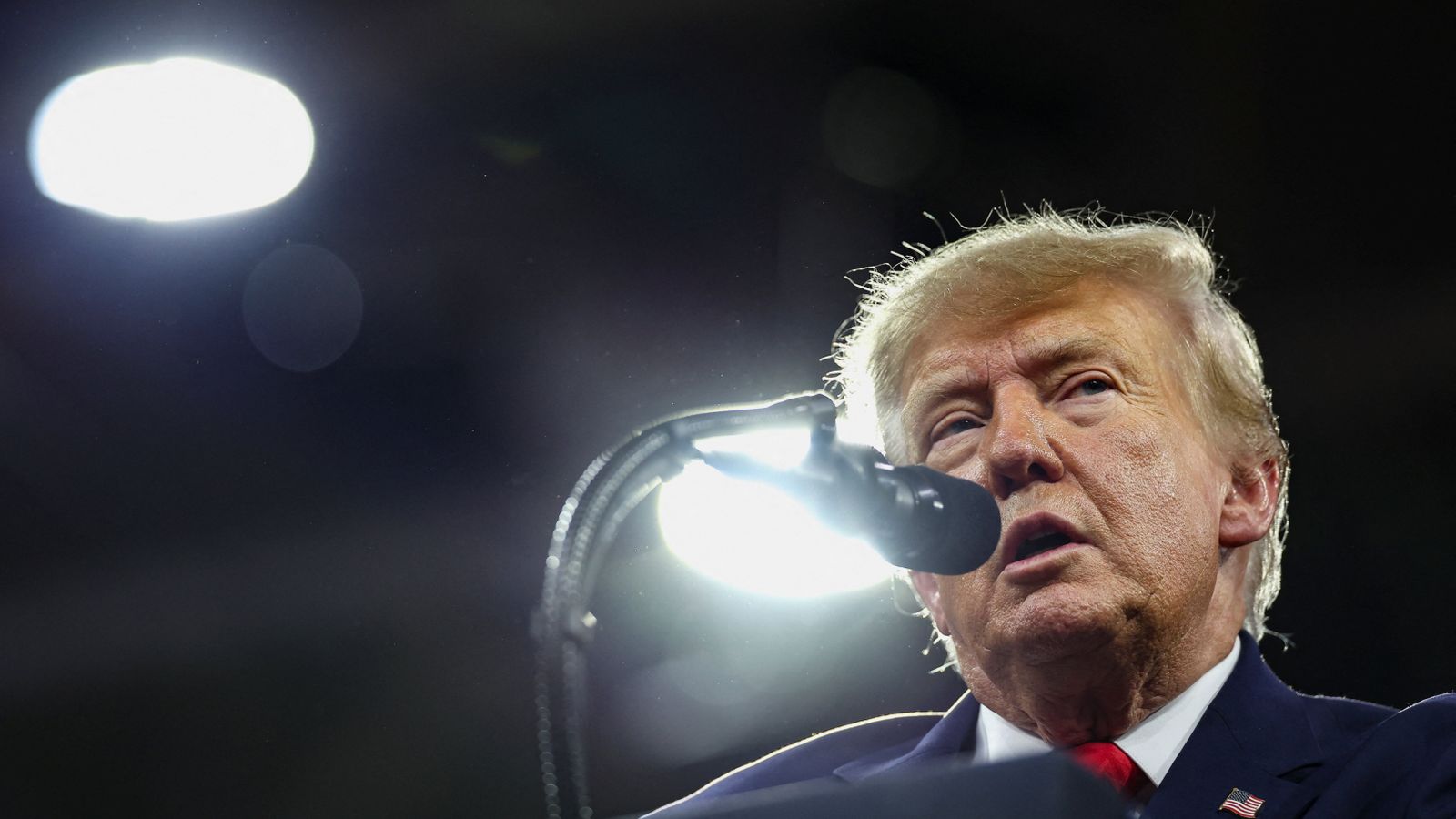
Even Trump acknowledged the economic blowback when reporters pressed him on Vance's social media post. "Well, I think it's largely true, because it drove the gasoline up a little bit, short term," Trump said. "And probably that's—probably it's true".
Yet the president refused to concede that the war was a mistake. He told reporters that Vance's post should have included a different question: "'If you had it to do again, would you do it again?' The answer is yes". In a separate phone interview with The Guardian, Trump echoed that defiance, calling Iran "a piece of it" while insisting he had no regrets about launching the war.
A Coalition Fractured Over Israel and Immigration
Vance's diagnosis of the Republican defeat extended beyond fuel prices. In his post-election remarks, he highlighted two deeply sensitive fault lines inside the conservative movement: Washington's unconditional backing of Israel and the domestic backlash to the administration's immigration crackdown.
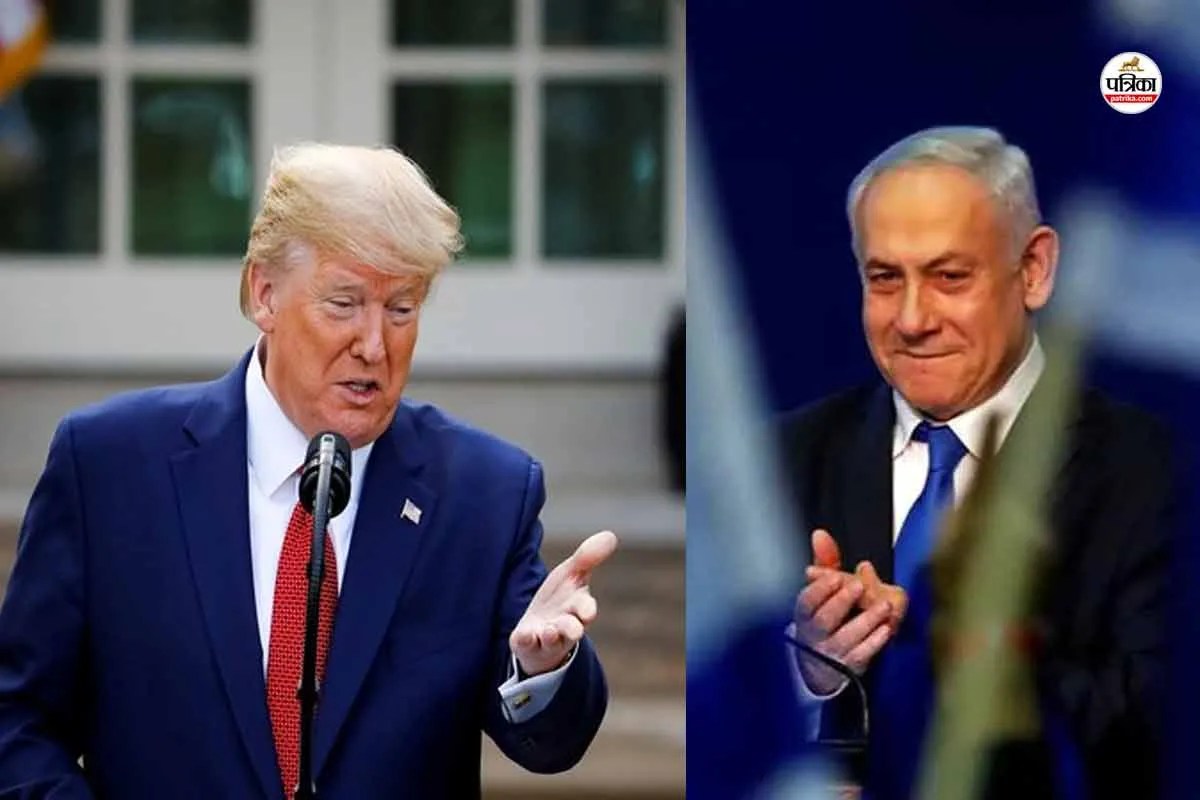
Throughout the summer of 2026, tensions between the vice president and Israeli leadership had already spilled into public view. Unlike Trump, Vance declined to endorse Israeli Prime Minister Benjamin Netanyahu for reelection and publicly criticized members of Israel's government for resisting White House efforts to negotiate an end to the war with Iran. By citing the U.S.-Israel relationship as a driver of voter defections, Vance tapped into a growing isolationist wing of the Republican base that viewed the conflict as a foreign war fought at the expense of domestic priorities.
At the same time, PBS NewsHour noted that Vance appeared to seek subtle distance from the administration's aggressive immigration enforcement, which had triggered widespread protests and alienated moderate and swing voters in key battleground states. Having served as a vocal defender of those policies throughout the campaign, his post-election pivot underscored just how broadly the GOP coalition had frayed.
The White House Pushback and the 2028 Calculus
Candid post-election assessments carry steep political risks in an administration built on personal loyalty. Within days of his viral post, the fallout inside the West Wing became visible.
According to CBC News, Trump was reportedly irritated by his vice president's remarks. Shortly after the post went live, Vance—who had been leading diplomatic negotiations between the United States and Iran—was removed from the file. Political analysts immediately questioned whether the public break had damaged Vance's standing as the presumptive frontrunner for the 2028 Republican presidential nomination.
Over at National Review, senior writer Noah Rothman wrote that "those who invested in JD Vance's political stock... may be looking to offload their holdings". University of Michigan political scientist Michael Traugott noted that the vice president faced an inherent structural trap: as second-in-command, he cannot easily separate himself from the administration's major policy decisions without alienating either the president or the base.
By mid-November, Vance moved aggressively to walk back any perception of a rift. Appearing on Fox News with host Laura Ingraham on November 16, he insisted there was "no daylight" between himself and Trump on the war.
"The president of the United States, he makes decisions," Vance told Ingraham. "And obviously, within the administration, we have debates and discussions about what exactly to do. When the president makes a decision, he is owed a Cabinet that helps implement the decision".
During that interview, Vance shifted the blame for high gas prices away from the Persian Gulf and onto decades of domestic energy regulation, asking why the United States had not built a new oil refinery since the 1970s. When Ingraham pointed out that Trump could have ended the conflict in June when a joint memorandum with Iran was on the table, Vance defended the administration's record, claiming U.S. forces had destroyed Iran's nuclear program and conventional military while promising Trump would not allow the conflict to become a "forever war".
Days later, however, subtle differences resurfaced. As The Guardian reported on November 21, Vance stopped short of endorsing Trump's claim that Iran had been on the verge of building a nuclear weapon when the war began—a claim that stood in tension with Trump's own declaration in 2025 that Iranian nuclear sites had already been wiped out.
The Bigger Picture for the GOP
What makes the 2026 midterm collapse so consequential for Republicans is not merely the loss of congressional majorities. It is the identity crisis it exposed inside a party that spent a decade branding itself as the champion of working-class non-interventionism.
For years, Trump and Vance argued that traditional Washington hawks had wasted trillions of dollars and American lives on Middle Eastern wars while neglecting factories, borders, and household budgets at home. That message built a durable coalition across the Rust Belt and Sun Belt. When the administration launched a major war in the Middle East and voters felt the financial pinch at the checkout counter and the gas station, that central campaign promise evaporated.
Democratic strategists recognized the opening immediately, hammering Republican incumbents on both the $49 billion price tag of the conflict and the spike in consumer prices. Independent and marginally attached Trump voters—the exact demographic that delivered the White House in 2024—either stayed home or crossed party lines to register their frustration.
Vance's initial post on November 4 was a blunt acknowledgment of that political reality, even if the realities of Washington forced him to soften his tone two weeks later. With Democrats now preparing to take control of both chambers of Congress in January 2027, the White House faces two years of intense legislative oversight, subpoena power, and fierce resistance to war funding—leaving Republicans to figure out how to win back voters who feel the party abandoned the very platform that brought it to power.