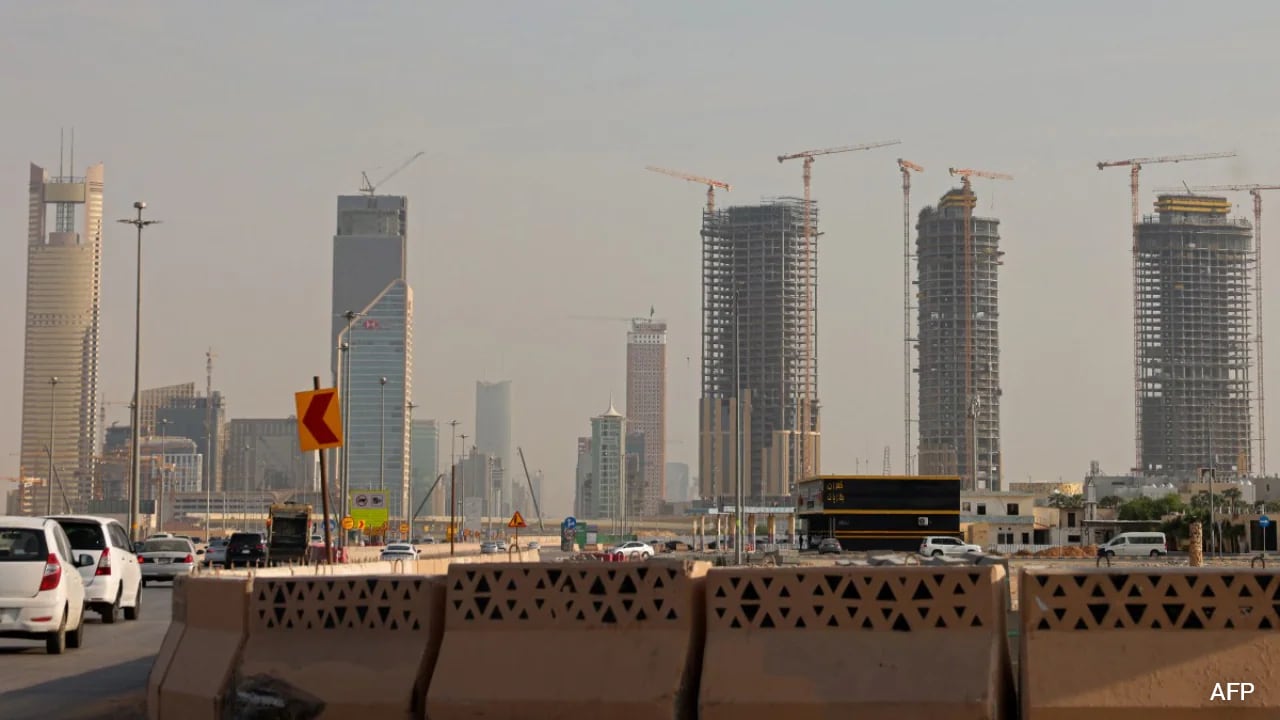
When Saudi air defenses intercept a Houthi missile aimed at Riyadh, the headline usually sounds like a clean win. Shot down. Threat neutralized. Move on.
Honestly, it's rarely that tidy.
A successful interception stops a warhead from hitting its primary target, sure. Yet falling debris still damages property, rattles neighborhoods, and triggers emergency alerts across the capital. Across recent waves of cross-border hostilities involving Yemen's Iran-aligned Houthi forces and the Saudi-led coalition, announcements of intercepted ballistic missiles, cruise missiles, and drones directed toward Riyadh and other parts of the kingdom have arrived alongside reports of debris impacts and retaliatory strikes inside Yemen.
If you're following these events because you live in Saudi Arabia, travel through the region, trade energy or shipping exposure, or just want to make sense of what's actually happening beyond wire-service snippets, you need a sharper lens. Most quick news summaries stop at who fired what and whether air defenses knocked it down. They skip the mechanics of interception, the real-world hazards of falling fragments, the regional escalation dynamics tied to the wider confrontation involving Iran, and what individuals or businesses should actually do when alerts sound.
Why an Interception Isn't a Zero-Risk Event
People picture a missile interception like a video game: one blip hits another blip high in the sky, puff of smoke, problem solved. Real air defense doesn't work like a magic eraser.
Ballistic missiles and cruise missiles behave differently, and both create hazards even when intercepted. A ballistic missile follows a high, arcing trajectory at high speed before descending toward its target, while a cruise missile flies much lower and faster along a guided path, often hugging terrain to complicate radar detection. When a defensive interceptor collides with or detonates near an incoming missile, the target breaks apart into chunks of metal, unspent propellant, and fragments.
Gravity still has a vote.
Even high-altitude intercepts can send heavy debris raining down over populated or industrial areas, which is why coalition updates repeatedly note material damage from falling fragments alongside successful interceptions. A warhead might not detonate as intended on its primary aimpoint, yet a chunk of falling hardware can still smash a roof, spark a fire, or hit a vehicle.
How Houthi Missile Threats Fit Into the Bigger Regional Picture
To understand why Riyadh keeps showing up in missile and drone reports, you have to zoom out past a single launch. The conflict in Yemen has dragged on since late 2014, when the Houthis seized Sanaa and large parts of northern Yemen, prompting the Saudi-led coalition to intervene in 2015 to back Yemen's internationally recognized government.
Over time, cross-border attacks haven't stayed confined to border provinces like Najran or Jazan. Strikes and attempted strikes have targeted Riyadh, southern hubs like Khamis Mushait, and oil-rich areas in the Eastern Province, alongside retaliatory coalition airstrikes against launch sites and weapons infrastructure in areas such as Sanaa, Saada, Amran, Al-Hodeidah, Al-Jawf, Marib, and Ibb.
Crucially, Houthi missile and drone activity has also become intertwined with the wider regional confrontation involving Iran and maritime security pressures across the Arabian Peninsula and Red Sea. That broader context matters because it shifts the tempo. When regional tensions spike, launch cycles, air-defense interceptions, civil defense warnings, and retaliatory strikes tend to cluster together rather than happen in neat isolation.
At the same time, you should read wartime claims carefully. Coalition spokespeople routinely report interceptions and retaliatory strikes on military targets. Houthi spokespeople often announce broad operations against sensitive sites, airports, or infrastructure, while Houthi-aligned outlets report casualties and damage from coalition strikes that aren't always independently verified on the ground. Separating confirmed operational patterns from unverified propaganda is half the battle when reading Middle East security news.
Common Misconceptions People Have About Missile Alerts
Whenever a Houthi missile aimed at Riyadh is intercepted, a few predictable myths pop up online. Let's clear them up plainly.
- Myth 1: "If I don't hear an explosion right over my head, the threat is over." Not necessarily. Interceptions can happen miles away or high up, and alerts or secondary hazards can unfold over minutes rather than seconds. Always wait for official civil defense or local authority updates before assuming danger has passed.
- Myth 2: "Interception means zero damage on the ground." False. Falling debris is a recurring risk even during successful air-defense engagements.
- Myth 3: "Every headline about a missile near Riyadh means a direct hit on the city." Often, authorities report intercepting a missile launched toward the Riyadh region or area, which isn't the same as a warhead impacting downtown.
- Myth 4: "Aviation and daily life immediately shut down for weeks." Airspace precautions and temporary disruptions can happen when threats are active, yet day-to-day routines often resume quickly once authorities declare the immediate threat clear—though sudden schedule changes remain a real risk during flare-ups.
What You Should Actually Do If You're in the Area or Traveling
If you're actually in Riyadh or another affected city when an alert goes out, don't stand on a balcony filming the sky. Seriously—that's one of the dumbest habits people pick up during aerial incidents. Falling debris doesn't care about your phone camera.
Move indoors away from glass windows, skylights, and exterior walls, ideally into an interior room, hallway, or lower level if available. Keep your phone charged, enable official emergency notifications, and rely on verified channels like Saudi civil defense advisories and reputable outlets such as Arab News or Al Arabiya English rather than rumor-heavy social media threads.
If you're traveling through the region or managing business operations, build slack into your plans. Check flight status directly with your airline before heading to the airport, keep essential documents and medications in a carry-on rather than checked bags, and maintain a basic emergency kit at home or your hotel with water, a flashlight, power bank, and first-aid supplies. If you're watching markets or supply chains, look beyond single-day headlines and track sustained patterns across Red Sea shipping, energy infrastructure, and diplomatic mediation efforts.
Stay alert to official guidance, keep away from glass and open areas during active warnings, and verify details before sharing anything.


