In the glass-walled trading floors of London and Singapore, oil is a flickering green or red digit on a screen. It is a derivative, a hedge, a liquid asset class. But move several thousand miles to the east, where the jagged cliffs of the Musandam Peninsula shadow the Persian Gulf, and oil stops being a number. It becomes a pulse.
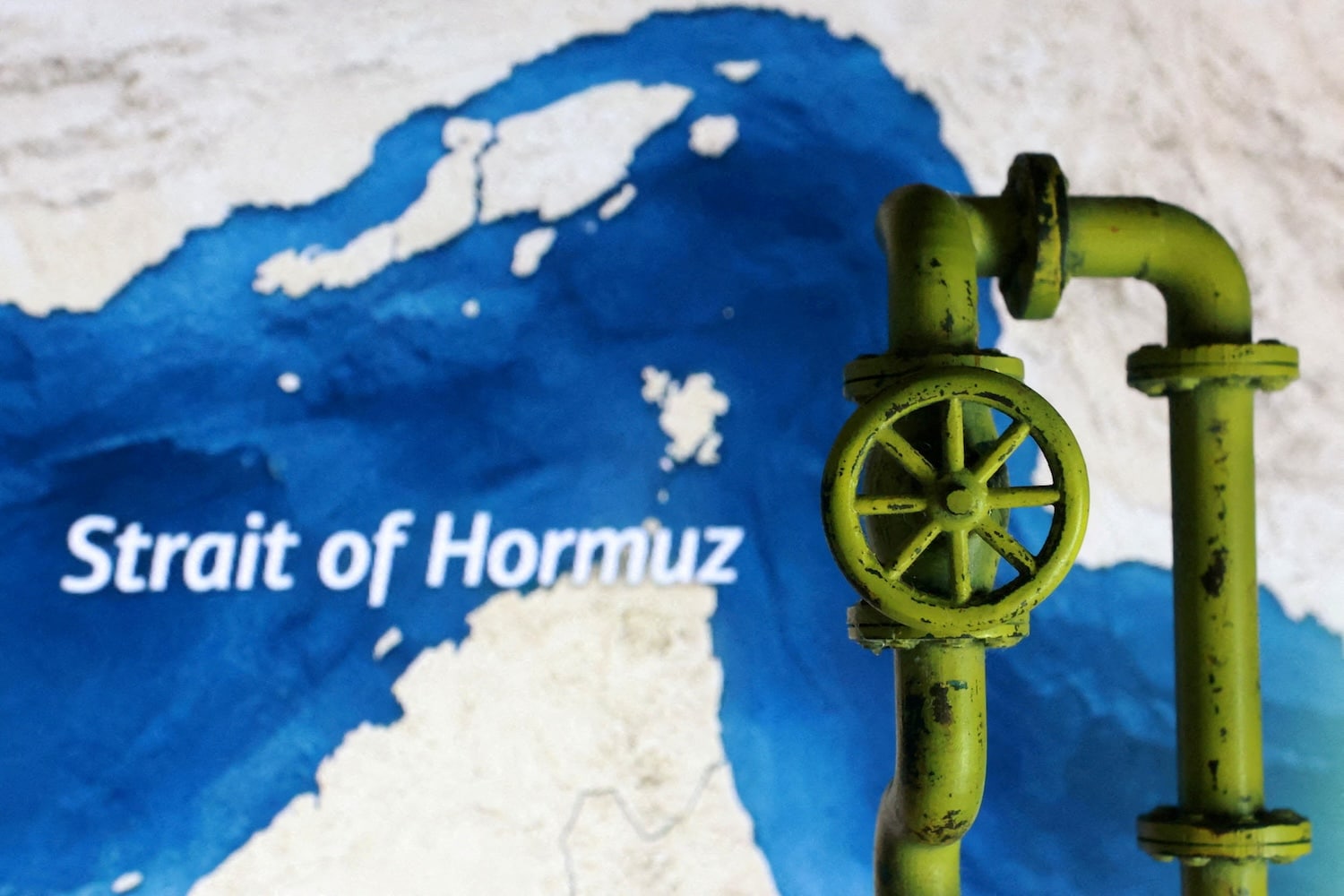
Every morning, the world takes a deep breath through a narrow throat of water called the Strait of Hormuz. At its tightest point, it is only twenty-one miles wide. Through this passage, roughly one-fifth of the world’s total oil consumption drifts on the backs of steel giants. When that throat constricts, the world chokes. When it relaxes, the global economy exhales.
This week, the world exhaled.
The tension had been vibrating like a piano wire stretched too thin. For months, the specter of a broader Middle Eastern conflict loomed over the water, threatening to shut the gates of Hormuz. Analysts spoke of $150 barrels. Transport companies calculated the cost of rerouting fleets around the entire continent of Africa. Then, a statement emerged from Tehran. Iran signaled that the Strait would remain open during a proposed ceasefire period.
The reaction was instantaneous. Brent crude prices didn't just drift; they tumbled. The numbers on those monitors in London and Singapore turned a deep, bruised crimson. Markets, it turns out, are not driven by logic. They are driven by the relief of avoiding a catastrophe.
The Captain and the Cost
To understand why a few words from a government official can change the price of your morning commute, you have to look at the water through the eyes of someone like "Malik."
Malik is a hypothetical tanker captain, a composite of the men who navigate these high-stakes corridors. For Malik, the Strait of Hormuz is a gauntlet. He knows that his vessel carries enough energy to power a small city for a year, but it also carries the weight of global geopolitics. When the news is filled with talk of blockades and naval skirmishes, his insurance premiums skyrocket. The "war risk" surcharge alone can add hundreds of thousands of dollars to a single voyage.
When Iran announced the Strait would remain unobstructed, they weren't just making a geopolitical gesture. They were cutting the "fear tax" that every consumer pays at the pump.
Oil prices fell by over 4% in the hours following the news. On the surface, that sounds like a win for the consumer. But the drop reveals a deeper, more unsettling truth: we are living in a hair-trigger economy. The difference between a stable global market and a spiraling energy crisis is often nothing more than a temporary verbal assurance.
The Mechanics of the Exhale
Why does the Strait of Hormuz hold such a psychological grip on the planet?
Imagine a funnel. Now imagine that every major economy—China, India, Japan, the United States—is trying to drink from the narrow end of that funnel at the same time. The Strait is that narrow end.
The oil flowing through this passage isn't just "extra" supply. It is the bedrock. It represents the bulk of the crude exported by Saudi Arabia, the UAE, Kuwait, and Iraq. If a blockage occurs, there is no "Plan B" that can replace twenty million barrels a day. The pipelines that bypass the Strait exist, but they are like garden hoses trying to do the job of a fire main.
When Iran signaled that the waterway would stay open for the duration of ceasefire talks, they effectively removed the "blockade premium" from the price of a barrel. Traders realized that the immediate threat of a physical shutdown had evaporated. The supply chain, for the moment, was no longer a hostage.
The Hidden Stakes of a Ceasefire
The drop in prices is a mirror reflecting a glimmer of hope for a ceasefire in Gaza. The two issues—the price of energy and the human cost of conflict—are inextricably linked.
Diplomacy is often viewed as a series of dry meetings in mahogany rooms. In reality, diplomacy is the art of managing the price of survival. By linking the openness of the Strait to the ceasefire period, the regional players have turned the global economy into a stakeholder in the peace process. Every nation that relies on cheap energy now has a direct financial interest in the success of the negotiations.
It is a brutal, pragmatic form of leverage.
Consider the ripple effect. A lower oil price means lower shipping costs for grain. Lower shipping costs for grain mean more affordable bread in Cairo or Jakarta. The "fall in oil prices" reported in the financial section is, in reality, a slight easing of the pressure on the world's most vulnerable people.
The Ghost of 1973
We have been here before, and the memory haunts the older generation of economists. In the 1970s, the world learned that energy is the ultimate weapon. When the taps are turned off, the machinery of modern life doesn't just slow down; it grinds to a halt.
Today, the world is more interconnected, yet more fragile. Our "just-in-time" delivery systems mean that we have very little buffer. A three-day closure of the Strait would lead to a global scramble for remaining reserves. A month-long closure would be a tectonic shift in the way we live.
This is why the market reacted so sharply to the news. It wasn't just about the current supply; it was about the relief of knowing we aren't headed for a 1970s-style shock. Not today.
The Fragility of the Calm
We should not mistake a dip in prices for a permanent solution. The fundamental tension remains. The Strait of Hormuz is still a choke point. The regional animosities have not vanished; they have merely been paused.
The current drop in oil prices is a "peace dividend" that hasn't been fully earned yet. It is based on a promise. And promises in the Persian Gulf are as shifting as the desert sands that line its shores.
If the ceasefire talks falter, those red numbers on the trading screens will turn green again. The insurance premiums for captains like Malik will creep back up. The "fear tax" will be reinstated.
Right now, the world is enjoying a moment of artificial stillness. The price of oil is lower because, for the first time in months, the people holding the keys to the world's most important gate have decided to leave them in the lock.
It is a reminder that we are all passengers on a very large, very complicated ship. We like to think we are in control of our economic destiny, but our comfort is often dictated by the tides of a twenty-one-mile stretch of water and the words of the people who guard it.
The price of a barrel has fallen, and for that, we can be grateful. But as you watch the numbers change at the gas station, remember the cliffs of Musandam. Remember the narrow throat of the world. We are only as stable as the next exhale.
The sun sets over the Gulf, casting long shadows across the decks of the tankers waiting to pass through the Strait. For now, the path is clear. The water is calm. The world has caught its breath, waiting to see if the silence will last.