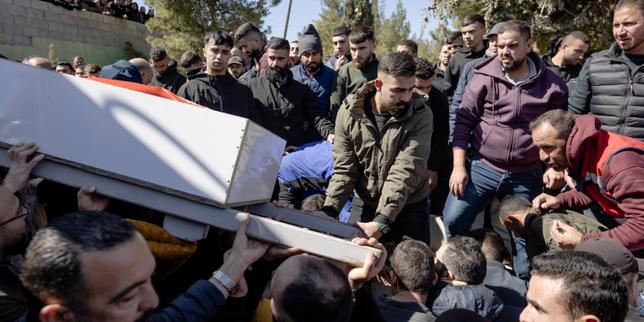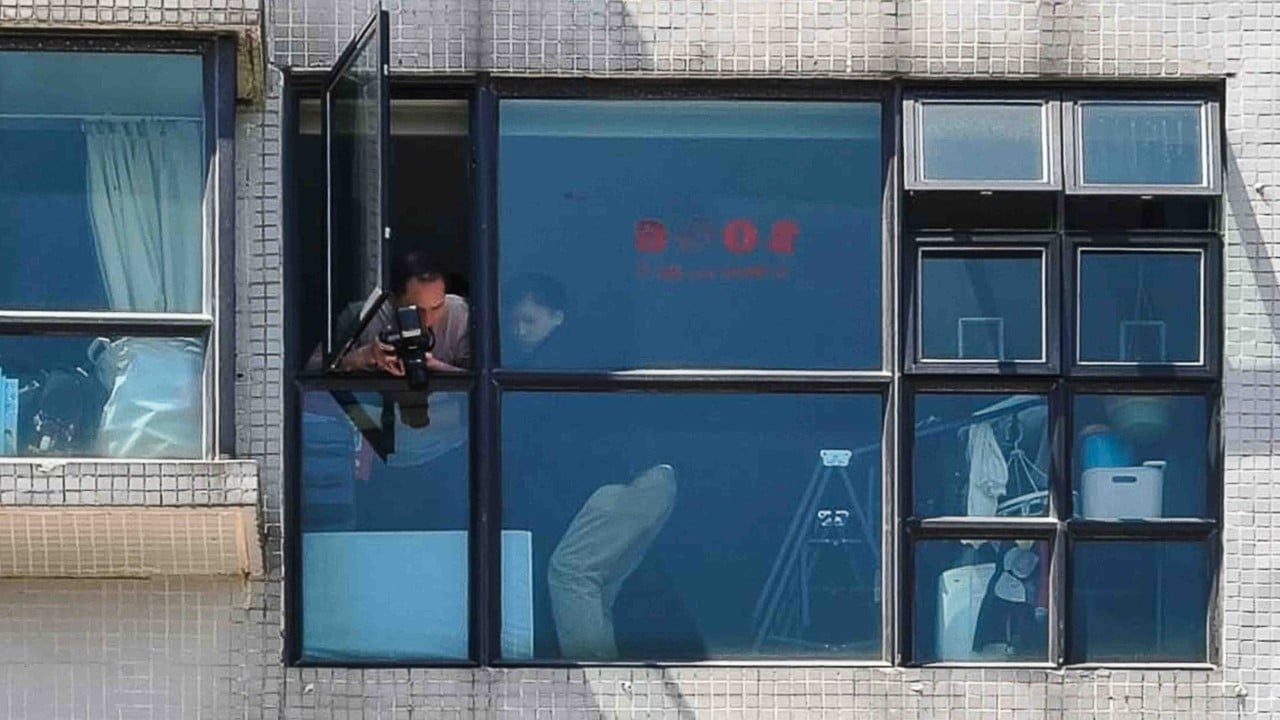
The tragic death of a one-year-old boy in a Tuen Mun residential complex has exposed more than just a momentary lapse in supervision. When a child falls from a high-rise flat, the immediate public reaction is a hunt for a villain. On Friday, that hunt ended with the arrest of the parents on charges of ill-treatment or neglect. But the handcuffs don't solve the structural and cultural failures that make Hong Kong’s vertical living a high-stakes gamble for families.
Police reports indicate the boy fell from a window in a flat located within the Wu King Estate. Emergency services arrived to find the child on the ground, unconscious and beyond help. While the legal system focuses on the culpability of the guardians, the reality is that many of these accidents occur because of a lethal intersection between aging infrastructure, inadequate window security, and a lack of mandatory safety standards for internal domestic spaces.
The Illusion of Modern Security
Hong Kong is the world’s most vertical city. We live in the clouds, yet our safety regulations for residential windows are surprisingly fragmented. Most people assume that if a building passes inspection, it is safe for a toddler. This is a dangerous misconception.
Current building codes focus heavily on structural integrity—ensuring the window won't fall out of the building during a typhoon. They do not, however, mandate the installation of child-proof grilles or restrict how far a window can open in a private residence. In many older public housing estates, the window designs are relics of an era before modern safety consciousness. These windows often feature low sills or handles that are easily accessible to a curious child who has managed to climb onto a piece of furniture.
The Problem with Retrofitting
Property owners often resist installing permanent grilles because of aesthetic concerns or the cost of high-quality, removable safety locks. In the rental market, the situation is even more precarious. Tenants are often hesitant to drill into window frames for fear of losing their security deposit, while landlords rarely see child safety as their financial responsibility.
Beyond Parental Negligence
The arrest of the parents under the Offences against the Person Ordinance suggests a clear-cut case of neglect. To a veteran observer of urban crises, this is a convenient narrative. It places the entire burden of safety on 24-hour human vigilance.
Human beings are fallible. A phone rings, a pot boils over, or exhaustion sets in after a twelve-hour shift in a city known for its brutal work culture. A safety system that relies 100% on a parent never looking away for ten seconds is a failed system. We do not design cars without seatbelts and then arrest drivers for every injury; we mandate the safety features that compensate for human error.
In Hong Kong’s cramped living conditions, the "play area" is often inches away from the "laundry area," which is usually the window. Space is so limited that furniture is pushed against every available wall, including those with windows. This creates a natural ladder for a toddler. When the environment is this compressed, the margin for error disappears.
The Regulatory Vacuum
While the Mandatory Window Inspection Scheme (MWIS) exists to prevent windows from falling onto the street, there is no "Child Safety Inspection Scheme" to prevent children from falling out of windows. This is a glaring legislative hole.
- Singapore’s Example: Other vertical cities have experimented with mandating window grilles in high-rise public housing.
- The Cost Factor: High-quality stainless steel grilles can cost several thousand Hong Kong dollars. For a low-income family in an estate like Wu King, this is a significant barrier.
- The Aesthetic Trap: New luxury developments often prioritize floor-to-ceiling glass and "uninterrupted views," which are fundamentally at odds with traditional metal bars.
The market has responded with "invisible grilles"—thin wire cables that provide a barrier without ruining the view—but these are expensive and not standard. Without a government mandate, they remains a luxury for the wealthy rather than a right for the vulnerable.
Social Support and the Fatigue Factor
We must look at the socio-economic pressures facing young families in the New Territories. Tuen Mun is a district where many residents face long commutes and high stress. If the parents were exhausted or preoccupied with the crushing logistics of survival in one of the world's most expensive cities, the legal system sees "neglect," but a sociologist sees "burnout."
Charging the parents may satisfy the public's need for a consequence, but it does nothing to prevent the next fall. We need a shift in how we view domestic safety. It should be treated as a public health issue, not just a criminal one. This means subsidizing safety grilles for low-income families and updating building codes to require window restrictors that prevent openings wider than 10 centimeters.
The Hard Reality of Vertical Living
Safety in a high-rise environment is a shared responsibility. The architect, the landlord, the government, and the parents all hold a piece of the puzzle. When we focus only on the parents, we allow every other stakeholder to walk away from the table.
The child who died in Tuen Mun is not a statistic; he is a warning. If we continue to build upward without tightening the safety net within our own walls, we are essentially building a city of high-altitude traps. Every window without a lock in a flat with a child is a tragedy waiting for a moment of distraction.
Check your window hinges today. If you can open them wide enough for a basketball to pass through, they are not safe for a child. Don't wait for a landlord or a law to tell you to fix it.