Time moves differently in the rainforest.
When a microscopic enemy slips across a forest boundary, it does not announce itself with sirens. It arrives quietly, carried by a handshake, a comforting touch, or the whispered prayers shared over a bedside in a village far from the nearest paved road.
For months, the people of the Democratic Republic of Congo lived inside a slow-moving storm before anyone else even knew the sky had turned dark.
Look closely at the map. Trace the winding rivers that cut through the dense foliage of Central Africa. You are not just looking at geography. You are looking at a theatre of endurance. Long before the World Health Organization officially raised the alarm, the virus was already moving through communities. It was finding the gaps in healthcare systems stretched to their absolute breaking point. It was exploiting the deep-seated trust families place in traditional burial rites, where washing a loved one's body is an act of profound devotion, yet tragically, an invitation for infection.
Consider what happens when a disease outpaces the bureaucracy designed to track it.
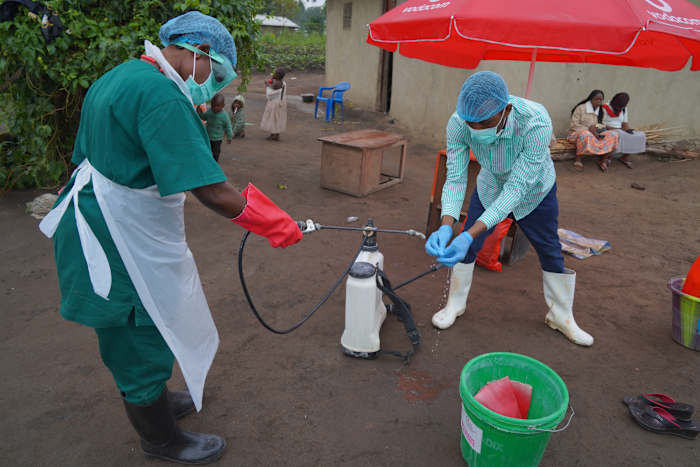
To understand the delay, we must abandon the clinical detachment of boardroom briefings and enter the daily reality of a rural clinic. Imagine a local nurse, let us call her Mama Josephine, working through the humid heat of an afternoon shift. She sees a patient presenting with high fever, exhaustion, and unexplained bleeding. She has seen malaria a thousand times. She has treated typhoid. Her medical supplies are running low, and the nearest testing facility is a grueling two-day journey away over washed-out mud roads.
She does what she can with what she has. She comforts the family. She records the symptoms in a paper ledger that might take weeks to reach a regional desk.
By the time those symptoms are aggregated, analyzed, and officially recognized as an Ebola outbreak, the virus has already built a silent momentum. Months had passed. Weeks of invisible transmission had already occurred.
This is the central tragedy of modern epidemiology. It is not that scientists do not care. It is that the architecture of global alert systems relies on a chain of verification that takes precious time to assemble. Every link in that chain—from the local clinic to the regional health bureau, to the national ministry, and finally to international bodies—requires validation. In a remote setting, validation is a luxury measured in days and weeks.
And the virus does not wait for paperwork.
Epidemiologists speak of R-naught values and transmission vectors with clinical coldness. But behind every mathematical model lies a human story of confusion, fear, and resilience. When a community realizes that an invisible killer is walking among them, panic is a natural human reaction. People hide their sick relatives out of sheer terror that quarantine means never seeing them again. They run toward traditional healers because hospitals feel like places where people go to die, not to heal.
Breaking that cycle requires something far more powerful than medicine. It requires radical, ground-level trust.
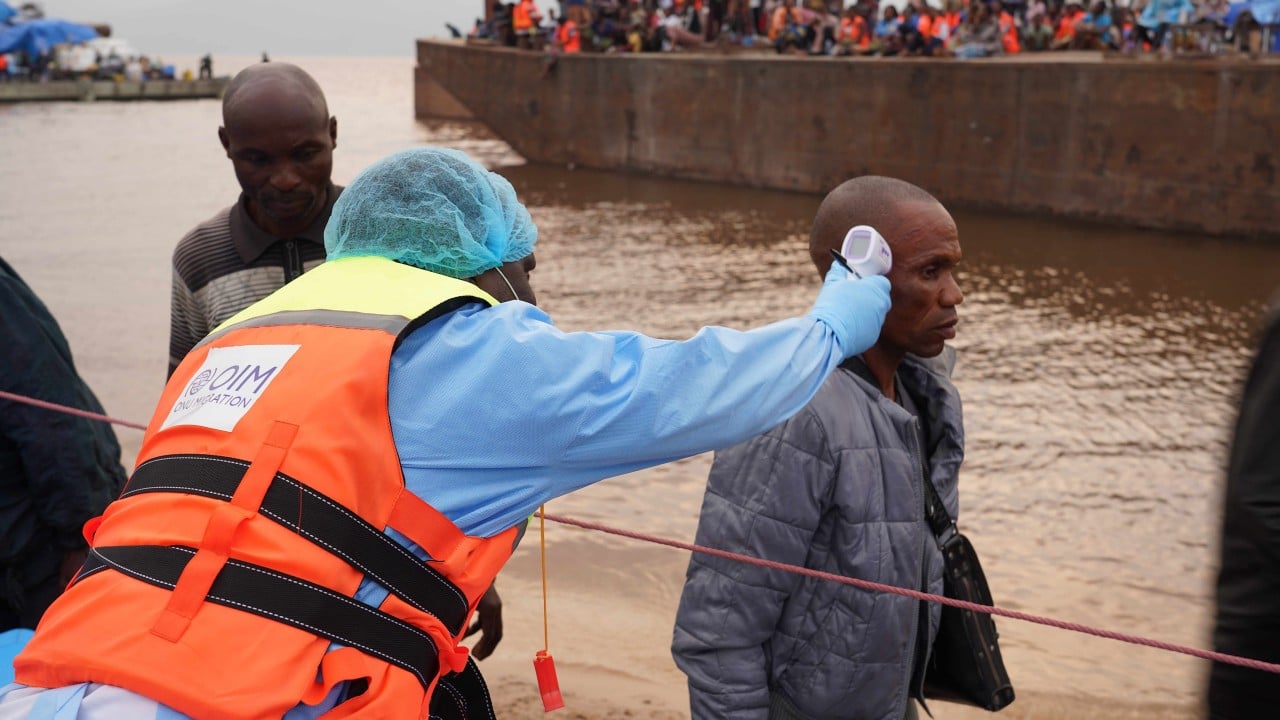
When response teams finally arrived in force, their greatest challenge was not just cold chain logistics for experimental vaccines or securing protective gear. It was winning the hearts and minds of people who had every reason to mistrust outsiders who only showed up when tragedy struck.
Public health workers had to sit under mango trees with village elders. They had to listen before they spoke. They had to explain science not through intimidating jargon, but through shared understanding, respecting cultural mourning traditions while finding safe ways to honor the dead.
We look back at those hidden months not to assign blame, but to reckon with a sobering truth. Outbreaks do not start on the day they are declared on the evening news. They start in the quiet, unrecorded margins of the world.
If we wish to prevent the next crisis, we must shorten the distance between the remote village clinic and global surveillance. We must listen closer to the local nurses who know when something feels wrong long before the data confirms it.
The rainforest eventually gave up its secrets, but only after exacting a devastating toll. The silence before the storm is the most dangerous part of any epidemic. And until we learn to hear the whispers in the trees, we will always be playing catch-up with a virus that refuses to wait.