The tension in the Middle East just hit a fever pitch, and honestly, the latest signals from the White House suggest we’re looking at a massive shift in the status quo. President Trump recently dropped a bombshell, claiming that Iran’s leadership has essentially blinked. According to him, the regime has agreed to walk away from their nuclear weapon ambitions and meet nearly every demand the U.S. has put on the table. He says a deal is close. Very close.
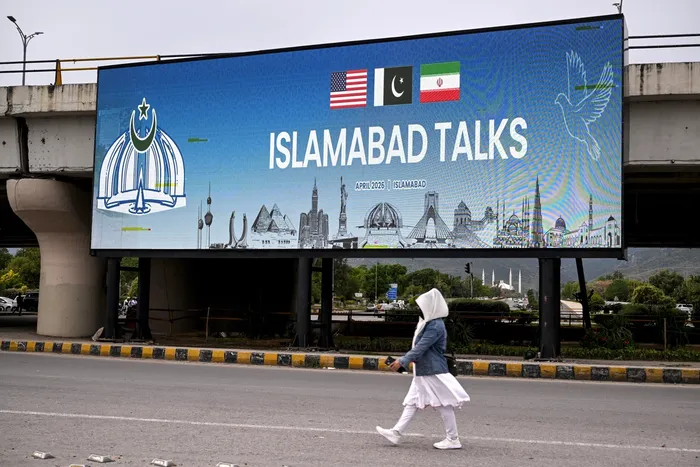
If you’ve been following the chaos of Operation Epic Fury, you know this isn't just another round of empty diplomatic posturing. We’re talking about a country that’s seen its navy decimated—150 warships gone—and its ballistic missile factories turned to rubble over the last several weeks. Trump’s "Peace Through Strength" strategy isn't a slogan anymore; it’s a visible reality on the ground. The Iranian regime is sitting at a table in Islamabad because, frankly, they don’t have many tables left to sit at.
The Deal on the Table
Trump isn't looking for a "vague framework" or a "soft commitment." He’s been blunt about wanting 100% of his demands met. While he told Fox Business that they’ve secured "just about every point," he admitted there’s still a tug-of-war over Tehran’s final refusal to totally abandon their nuclear "ambition." But here’s the kicker: reports indicate Iran has already agreed to hand over its entire store of enriched uranium. That’s a massive concession compared to the old JCPOA days.
The U.S. has laid out a clear set of non-negotiables that have pushed the regime to the brink:
- Zero Nuclear Weapons: Not a pause, not a "limit," but a total removal of enriched material.
- Strait of Hormuz: Immediate and permanent reopening for global oil flow.
- Dismantling Terror Networks: Severing all ties and funding to groups like Hamas and Hezbollah.
- Navy and Missiles: A complete halt to the production of long-range drones and ballistic missiles.
The White House is playing hardball. Secretary of War Pete Hegseth made it clear that "no nukes, no navy" is the baseline. It’s a total neutering of the regime’s ability to project power.
Why the Regime is Actually Talking
You might wonder why a "terror regime" would suddenly agree to these terms. It’s not a change of heart. It's survival. Operation Epic Fury has been a surgical nightmare for Tehran. Over 13,000 targets have been struck. Their air force is basically non-existent now. When you’re looking at zero daily flights and a naval blockade that’s strangling your economy, your options narrow down to "deal" or "collapse."
There’s also major drama happening inside the Iranian leadership. Reports from the Institute for the Study of War suggest the regime is split. You’ve got the pragmatists who want to save what’s left of the country and hardliners like Ali Nikzad who are still screaming about "rights to enrich." Trump is exploiting this friction. By staying vague about who he’s talking to, he’s sowing deep mistrust within their command structure. It’s a classic move to make the enemy fight itself while you hold the leverage.
The Ceasefire Clock is Ticking
We’re currently in a two-week ceasefire mediated by Pakistan, but don’t expect this to last forever. Trump already told reporters he isn't interested in extending the April 22 deadline. He wants the war over swiftly, but only on his terms. Israel is also a massive factor here. Defense Minister Israel Katz has stated that removing all enriched uranium is a "threshold condition." If that uranium doesn't leave the country, the strikes likely start again.
It’s easy to be skeptical. We’ve seen "deals" fall apart before. But the scale of military destruction this time around makes the 2015 agreement look like a polite suggestion. Iran is dejected and desperate. They’re facing a U.S. administration that isn't afraid to use 2,000 command-and-control strikes to get a signature on a piece of paper.
What Happens if They Sign
If a deal actually goes through, it’s going to reshape the entire planet’s energy and security landscape. Reopening the Strait of Hormuz would stabilize oil prices almost instantly. But the real win for the administration would be the "unconditional surrender" style of the nuclear terms.
You should keep a close eye on the Islamabad talks over the next 48 hours. If Iran agrees to the full removal of material, the war ends. If they keep hedging on that last 5%, the blockade stays, and the bombers go back up.
Next steps for you:
- Watch the April 22 Deadline: This is the make-or-break moment for the ceasefire.
- Monitor Oil Volatility: Any sign of the Strait of Hormuz reopening will tank prices—be ready if you have energy investments.
- Ignore the "Shadow Talks" Rumors: Focus only on official Islamabad statements; the rest is likely psychological warfare from both sides.