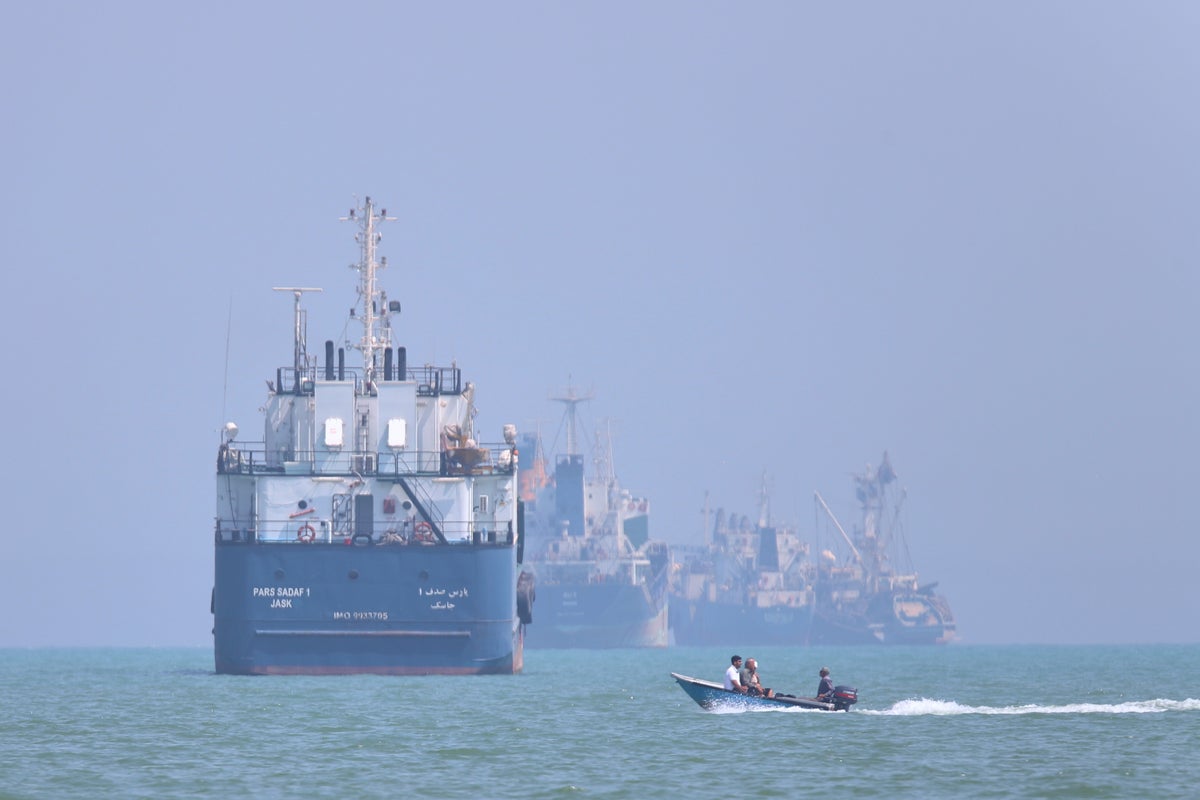
If you listen to the talking heads on cable news, the Strait of Hormuz is a permanent geopolitical kill switch. The narrative is always the same: Iran threatens to shut the 21-mile-wide waterway, global energy markets freak out, and the Western economy holds its breath. It's a scary story, but it’s becoming incredibly outdated.
The absolute blockade that began after the military escalations earlier this year was supposed to bring the world to its knees. Instead, the market is quietly routing around it. The panic is subsiding because Gulf Arab states aren't sitting ducks anymore. They've spent years quietly building a massive, interconnected escape hatch, and we're seeing the results play out in real-time. Iran's leverage isn't just slipping; it's being systematically engineered out of existence.
The Myth of the Unpassable Blockade
For decades, the math was simple. Around 15 million barrels of crude and nearly 5 million barrels of refined products transited Hormuz daily. That's a massive chunk of global seaborne trade. When the waterway effectively shut down in March, conventional wisdom screamed that oil would skyrocket past $150 and stay there.
It didn't happen. Brent crude surged initially but has rolled back down toward the high $80s.
Why? Because millions of barrels of oil are still escaping the Persian Gulf every single day. The chokehold is failing because of two massive forces: a physical network of overland pipelines and a highly aggressive, highly secretive maritime game of hide-and-seek.
The Steel Reroute Moving Millions of Barrels
The biggest blow to Iran's strategic leverage isn't coming from naval warships. It's coming from thousands of miles of heavy steel pipe cutting across the Arabian desert. Gulf states have stopped treating bypass infrastructure as an emergency backup plan. They're running them at maximum throttle.
The Saudi East West Lifeline
Saudi Arabia's East-West Pipeline is the heavy hitter here. This 1,200-kilometer artery links the oil giant's main production facilities in Abqaiq directly to the port of Yanbu on the Red Sea. Before the current crisis, it operated well below its total capacity. Today, Saudi Aramco is shoving upwards of 4.2 million barrels a day through this desert route. Tankers that used to crowd the Persian Gulf are now forming a massive armada off the Red Sea coast, taking on loads completely out of reach of Iranian fast-attack boats.
The Emirati Dash to Fujairah
The United Arab Emirates is playing a similar hand. The Abu Dhabi Crude Oil Pipeline hooks up the inland Habshan fields straight to the port of Fujairah on the Gulf of Oman. Fujairah sits just outside the Strait of Hormuz. Despite facing sporadic drone harassment, the UAE has kept pushing roughly 1.8 million barrels a day through this pipeline, relying on massive underground storage caverns capable of holding 42 million barrels to cushion against any sudden operational pauses.
When you add up these overland routes, the Gulf states are successfully diverting close to 6 million barrels of daily capacity away from the chokepoint. That's not a temporary fix. It's a permanent reshaping of how the Middle East exports energy.
Shadow Transits and the Midnight Oil
Pipelines only tell half the story. The rest of the missing oil is moving through the strait anyway, completely ignoring the blockade.
We're seeing a massive surge in what maritime intelligence analysts call "dark transits." Tankers are pulling into ports in Saudi Arabia, Kuwait, and the UAE, loading up with crude, and then completely switching off their Automatic Identification System (AIS) transponders. They go completely dark.
Under the cover of night, these ghost ships are running the strait. The U.S. military and its allies have been running quiet overwatch operations, using drones and autonomous aircraft to monitor the southern edge of the channel along the Omani coast. They aren't engaging Iranian forces; they're acting as a high-tech security escort to get these dark tankers out into open waters.
Once they clear the strait, many of these ships aren't even traveling to their final destinations. They're pulling alongside massive supertankers waiting in the Gulf of Oman, dumping their cargo via ship-to-ship transfers, and then heading right back into the dark to grab another load. Data from commodity trackers like Kpler and major Wall Street firms show that these clandestine shuttle runs are moving between 1.9 million and 2.9 million barrels of oil every single day.
The Real Loser in the New Energy Map
It's tempting to think everyone in the Gulf is winning this game, but that's a massive misconception. This infrastructure shift is creating a harsh divide between the states that planned ahead and those that didn't.
- Saudi Arabia and Oman are actually seeing revenues tick up. Their alternative routes and strategic coastline mean they can still get product to market while capturing the premium of elevated global prices.
- Kuwait and Iraq are hurting badly. They remain geographically trapped inside the Gulf with zero direct pipeline alternatives to open water. Kuwait is desperately trying to negotiate emergency pipeline tie-ups with its neighbors, but you can't build thousands of miles of steel pipe overnight.
- Qatar is taking the hardest hit. While you can move oil through pipelines, you can't easily do that with Liquefied Natural Gas (LNG). Qatar’s massive LNG sector relies entirely on specialized, highly vulnerable carrier ships that must pass through Hormuz. Before the blockade, three LNG tankers left Qatar every day. Lately, that number has dropped to almost zero, forcing production cuts and rattling Asian utility markets.
Stop Counting on a Return to Normal
If you're waiting for a diplomatic breakthrough that resets the Middle East energy trade back to the way it looked five years ago, don't hold your breath. This crisis has broken the fundamental trust that the global economy placed in those 21 miles of water.
Even if a permanent ceasefire is signed tomorrow, the economic incentives have flipped. Tehran is already talking about imposing permanent "shipping levies" and transit fees on vessels passing through the strait. Every dollar Iran threatens to tax is just another reason for the Gulf monarchies to spend billions more on expansion projects.
Plans are already accelerating for a third Emirati pipeline to Fujairah specifically for refined products. Saudi Arabia is mapping out further expansions toward the Red Sea. There is even serious talk of a massive $60 billion multi-line pipeline project cutting across the region to completely neutralize the strait's strategic relevance.
The takeaway for businesses, investors, and energy consumers is clear: stop looking at the Strait of Hormuz as the sole barometer of oil security. The geopolitical leverage of a physical chokepoint only lasts as long as there's no other way out. Right now, the world is finding other ways out, and they aren't going back.