High-profile court cases involving prominent figures always draw attention, but a recent ruling in Hong Kong sheds light on a problem that goes far deeper than a simple traffic violation. On Monday, an Italian chef learned his fate after a high-speed, alcohol-fueled crash that occurred late last year. The details of the incident are jarring. Driving at more than ten times the posted speed limit, the driver slammed into concrete barriers on a road leading to a landfill.
People reading about this case want to know one main thing. How does someone avoid prison after driving that fast while heavily intoxicated?
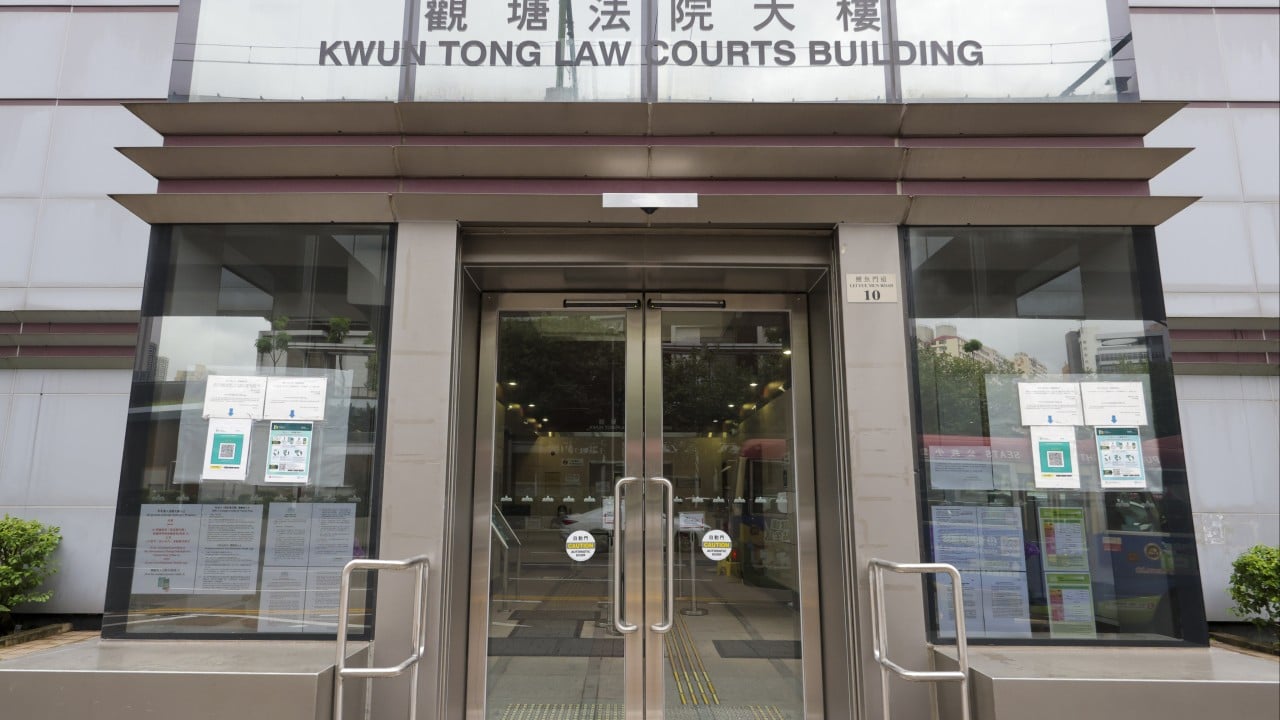
The answer lies in how the legal system evaluates personal circumstances against public risk. Kwun Tong Court handled the sentencing on July 13, 2026. Magistrate Lau Suk-han ordered 43-year-old Angelo Vecchio to serve 90 hours of community service. The court also suspended his driving license for exactly one year. It is a sentence that sparked immediate debate among residents who worry about road safety.
To fully understand how this happened, you have to look at the exact timeline, the defense strategy, and the harsh realities of the high-end restaurant industry.
The Midnight Crash on Wan Po Road
The incident took place on the night of December 22, 2025. It wasn't a standard highway or a busy downtown strip. Vecchio was navigating Wan Po Road, heading directly toward the Tseung Kwan O Landfill.
The road conditions near landfills are notoriously tricky. Large trucks move in and out constantly. Debris often litters the asphalt. Because of these hazards, the specific stretch of road carries a strict speed limit of just 10 kilometers per hour. It is a walking pace meant to ensure absolute safety near heavy machinery.
Vecchio didn't just exceed the limit. He shattered it.
Court documents revealed that his vehicle was traveling between 111 and 141 kilometers per hour. Think about that for a second. That is highway speed on a restricted access road. It represents an inflation of more than ten times the legal threshold.
Predictably, control became impossible. The car collided violently with two concrete barriers near the landfill entrance. The impact caused significant damage to the vehicle, effectively ending the reckless run. When police officers arrived at the scene, they noticed immediate signs of intoxication. They administered a screening breath test. The results showed that Vecchio had an alcohol level three times over the legally prescribed limit.
Driving that fast while heavily intoxicated is a recipe for disaster. It was pure luck that no other motorists or pedestrians were in the immediate vicinity when the crash happened.
The Marital Stress and Burnout Defense
When a prominent individual faces serious criminal charges, the defense strategy is crucial. Vecchio is well-known in the Hong Kong culinary circle. He previously served as an executive chef for the Lan Kwai Fong Group, managing high-end establishments like Aria and Porterhouse. He also spent time as an executive chef at the prestigious Hong Kong Country Club.
His lawyer chose not to challenge the core facts. The evidence was irrefutable. Instead, the defense focused heavily on mitigation, presenting a picture of a man under extreme personal and professional duress.
The defense counsel told the court that the entire offense arose from ongoing marital issues. The relationship stress had clearly boiled over on the night of the crash. Furthermore, the lawyer pointed directly to the chef's professional life as a contributing factor to his mental state. He described Vecchio's professional schedule as involving brutally long working hours.
The restaurant industry is notorious for this. Head chefs don't work standard nine-to-five shifts. They often log 14-hour days in high-stress, hot environments. They manage temperamental staff, handle massive supply chains, and face constant pressure to maintain Michelin-level standards or high profitability. When you mix that level of exhaustion with marital problems, people crack.
The defense used this narrative to make a specific request. They asked Magistrate Lau for a short community service period rather than a custodial sentence. The argument was simple. Vecchio needed to spend more time with his family to repair his personal life. Sending him to jail would destroy his career and permanently alienate his family.
The court accepted this reasoning, balancing punishment with rehabilitation.
How Hong Kong Courts View Dangerous Driving
Many people assume that driving three times over the limit at 140 kilometers per hour means automatic jail time. That isn't always how the law operates.
Hong Kong courts utilize community service orders as a genuine alternative to imprisonment for offenders who show deep remorse and possess no prior serious criminal record. A community service order isn't a slap on the wrist. It requires the offender to perform unpaid constructive work under the supervision of a probation officer. If the offender misses sessions or fails to perform the work adequately, they go back to court. The magistrate can then resentence them to actual prison time.
In Vecchio's case, several factors tipped the scales away from a cell.
- First-time offense status: He didn't have a history of repeated drunk driving.
- Early guilty plea: Admitting guilt immediately saves court resources and shows accountability.
- No injuries caused: While the potential for tragedy was high, the only damage was to inanimate concrete barriers and his own vehicle.
- Strong employment history: His background as a top chef in luxury venues proved he was a productive member of society who succumbed to a temporary crisis.
The one-year license suspension serves as the primary immediate punishment. For a professional who needs to move around the city, losing a license is a massive logistical nightmare. It forces a complete lifestyle change.
The Real Cost of Culinary Superstars
This case brings up a topic that the food industry rarely likes to discuss openly. The mental health of elite kitchen workers is often in a terrible state.
Customers walk into glamorous venues in Lan Kwai Fong or Central. They see beautiful plates of handmade pasta, premium dry-aged steaks, and perfectly curated wine lists. They don't see the yelling, the burns, the substance abuse, or the sheer exhaustion hiding behind the kitchen doors.
Alcoholism is an open secret in the culinary world. After a brutal 12-hour shift ending at midnight, adrenaline is pumping. Chefs and kitchen staff often use alcohol to wind down quickly. It becomes a coping mechanism for the physical pain and mental strain of the job.
When you add severe marital friction to that mix, the risk of erratic behavior skyrockets. Vecchio's defense wasn't just an excuse manufactured by a clever lawyer. It highlighted a structural issue within the luxury hospitality industry. The industry demands absolute perfection from human beings while ignoring the toll it takes on their private lives.
That doesn't excuse getting behind the wheel drunk. Nothing does. But it explains why a successful professional would make a decision that seems utterly insane from the outside.
Safe Alternatives You Need to Use
If you ever find yourself working late, dealing with intense personal stress, or consuming alcohol after a brutal day, you must have a plan. Relying on your own judgment when intoxicated is a guaranteed failure. Alcohol tricks your brain into thinking you are perfectly fine to drive.
You can protect your life, your career, and the lives of others by establishing non-negotiable rules for your nights out.
Get a ride-hailing app and link your corporate or personal credit card to it. If you have your vehicle with you, do not try to drive it home. Leave the car parked legally overnight. Paying a parking fine or a garage fee is infinitely cheaper than paying a criminal defense lawyer or spending 90 hours picking up trash under a probation order.
Alternatively, use a designated driver service. Several premium services in the city will send two drivers to your location. One driver takes the wheel of your car, while the other follows behind to pick up their colleague. You get home safely, and your car is sitting in your driveway the next morning.
If those options fail, call a standard taxi or take night public transport. Never assume that a quiet, empty road like Wan Po Road is safe for speeding. The concrete barriers don't move, and the police are always watching. Vecchio avoided jail this time, but his reputation has taken a permanent hit, and his freedom was almost entirely lost. Make sure you don't put yourself in the same position.


