The ink on the Nobel diploma had barely settled into the heavy parchment before the shockwaves hit the marble halls of The Hague.
Navi Pillay stood at a podium, her silver hair catching the sharp glare of television lights, her voice steady with the hard-won authority of someone who had spent decades looking tyranny in the eye. A former UN High Commissioner for Human Rights, a woman who helped dismantle apartheid from inside the South African legal system, she had just been handed one of the world's highest civilian honors. The Nobel Peace Prize Committee chose her to honor a lifetime of relentless defense for the defenseless. They celebrated her fearless stewardship of the International Commission of Inquiry on the Occupied Palestinian Territory.
That celebration lasted precisely as long as it took for Washington to draft a press release.
Sanctions.
It sounds
The Price of Standing Witness
news
Ink is heavy when it is used to indict power. Sometimes, it weighs enough to draw retaliation.
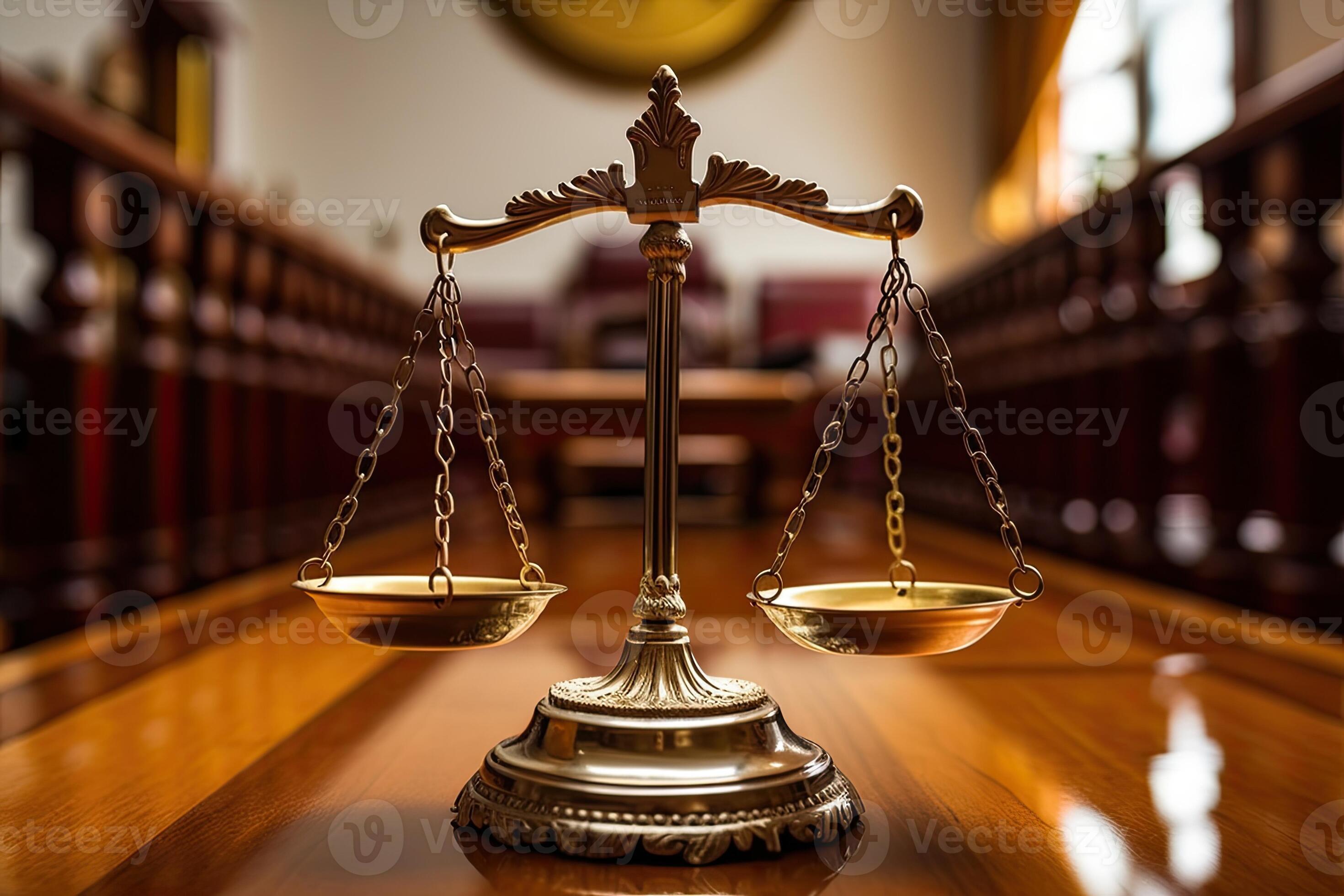
Consider the quiet weight of a gavel striking wood in a courtroom far from the noise of ordinary streets. For decades, Navi Pillay has sat in those high rooms, listening to the quiet, ruined testimonies of people who survived the worst things human beings are capable of inventing. She did not look away when the evidence grew too sharp to comfort. She looked closer. When the Nobel Committee draped a medal around her neck, acknowledging a lifetime spent demanding accountability from presidents and generals alike, it felt less like a celebration and more like a warning flare. The world was watching. And power, as it always does when cornered by truth, looked back with anger.
The response was swift, heavy, and bureaucratic. Economic chains were forged in Washington and cast across the Atlantic. Sanctions, sharp-edged and unyielding, landed on the International Criminal Court. The message was written not in diplomatic ink, but in frozen assets and closed doors. You may judge, the decree implied, but you will pay for the privilege.
This is where the grand machinery of international law collides with the raw, bruising reality of geopolitics. We are told that treaties protect the vulnerable, that parchment and legal seals can cage the arbiters of violence. Yet, when an institution dares to issue arrest warrants that rattle the gilded cages of sovereign impunity, the shield of statecraft reveals its true nature. It is made of iron, and it only protects those who hold the keys.
Imagine sitting across a worn oak table in a modest apartment in The Hague, watching the news ticker crawl across a muted television screen. Outside, the gray European rain taps a relentless rhythm against the glass. Inside, a veteran human rights investigator who spent thirty years cataloging mass graves watches the superpower of the world declare war on accountability. There is no shouting. Just a heavy sigh, the quiet click of a remote control, and the sobering realization that the rules of the game have just been rewritten in real time.
Why does this matter to someone sitting thousands of miles away, paying bills and worrying about the price of groceries? Because the architecture of global justice is the only thin line standing between human civilization and the absolute rule of the loudest gun. When the court that judges war criminals is itself placed under economic siege for doing its designated job, the tremor reaches every corner of the globe. It tells every tyrant with an army that defiance pays, and it tells every victim that their suffering has been relegated to a footnote in a trade negotiation.
Pillay understood this long before the sanctions hit. She spent her life navigating corridors where diplomacy is often just a polite word for hypocrisy. To honor a jurist for standing against impunity, and then to punish the court she helped anchor, exposes a profound contradiction at the heart of modern governance. We want justice, but only when it is convenient. We want accountability, provided it does not inconvenience our allies or disrupt our supply chains.
The irony is as bitter as gall. A prize meant to honor the pursuit of peace becomes the catalyst for institutional punishment. But history suggests that legal institutions under siege often reveal their true mettle. They either bend until they snap, or they harden into something unbreakable.
The rain outside the window in The Hague continues to fall. The legal briefs remain piled high on the mahogany desks. The warrants do not vanish because a ledger has been frozen. And somewhere in the quiet spaces between statecraft and survival, the work continues, because the alternative is a world where might makes right, and silence is the only safe language left to speak.